Southern Zone Chill: Frosty Nights Grip the South as Winter Arrives
Southern Zone Chill: Frosty Nights Grip the South as Winter Arrives
As the calendar pages turn towards mid-December, a distinct chill has settled over much of the Southern Zone, ushering in conditions that truly feel like the onset of winter. While Florida's southernmost reaches maintain a semblance of tropical warmth, the vast majority of the region, stretching from New Mexico across Texas, through the Deep South, and up into the Carolinas, is bracing for significantly cooler temperatures. Overnight lows are expected to dip well below freezing in many areas, bringing with them the potential for widespread frost. This shift marks a crucial period for residents, travelers, and agricultural sectors alike, necessitating careful planning and preparedness.
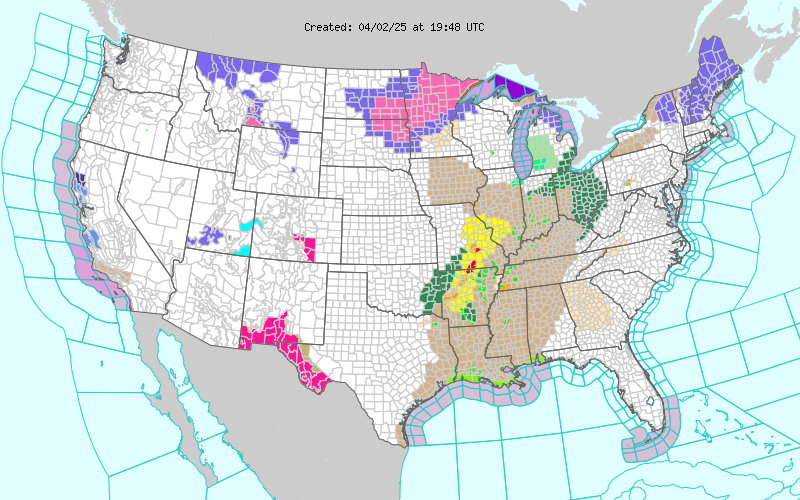
The image is a live image for the National Weather Service server. It gets updated on Real time.
Current Conditions Across the Southern Zone
The current weather panorama across the Southern Zone presents a varied but generally cooler picture. From the sunny skies of Texas and Oklahoma to the mostly cloudy conditions further east, a common thread is the noticeable drop in temperatures compared to earlier in the week. Winds are generally light to moderate, contributing to the crisp feel in many areas. Here's a snapshot of what cities are experiencing:
- Miami, FL: Standing out with a warm 79°F, experiencing a chance of showers and thunderstorms with 10 mph winds.
- Orlando, FL: A pleasant 67°F under mostly cloudy skies, with winds around 10 mph.
- Tampa, FL: Similar to Orlando, 69°F with mostly cloudy conditions and 9 mph winds.
- Albuquerque, NM: Enjoying a sunny 57°F with gentle 5 mph winds, a beautiful desert day.
- Houston, TX: Sunny and comfortable at 57°F, with light 5 mph winds.
- New Orleans, LA: Mostly sunny and cooler at 55°F, winds at 10 mph.
- Baton Rouge, LA: Also mostly sunny, 54°F with 10 mph winds.
- Dallas, TX: Sunny and crisp at 51°F, with calm winds.
- Jackson, MS: Partly sunny at 48°F, with 10 mph winds.
- Oklahoma City, OK: Sunny but much cooler at 48°F, with 8 mph winds.
- Atlanta, GA: Partly sunny and chilly at 47°F, 10 mph winds.
- Birmingham, AL: Mostly cloudy and cool at 45°F, with 10 mph winds.
- Little Rock, AR: Sunny and quite cool at 43°F, with calm winds.
- Nashville, TN: The coldest major city currently, at 39°F under mostly cloudy skies and light 5 mph winds.
- Jacksonville, FL: A cooler Florida spot, 59°F and mostly cloudy with 10 mph winds.
It's evident that a significant temperature gradient exists, with the western and central parts of the South experiencing clearer, colder air, while the Florida peninsula holds onto milder, more humid conditions, particularly in the south.
A Closer Look: Regional Forecasts and Overnight Trends
The coming hours, especially overnight into early morning, will see temperatures plummet across most of the Southern Zone. This widespread cooling trend is the dominant feature of this forecast, bringing frosty conditions to many areas unaccustomed to such cold this early in the winter season.
Florida's Outlook: A Tale of Two Halves
Florida presents a unique dichotomy. While Miami will remain warm, with overnight lows around 71°F and continued chances for showers and thunderstorms, the central and northern parts of the state will experience a significant cooldown. Orlando will see temperatures drop to 51°F, becoming mostly clear overnight. Tampa will cool to 52°F under mostly cloudy skies. Further north, Jacksonville is expected to reach a chilly 46°F, with partly cloudy conditions. Travelers and residents in central and northern Florida should prepare for genuinely cool nights, a stark contrast to the persistent warmth that often characterizes the state.
Gulf Coast States: Clearer, Colder Nights
From Louisiana to Alabama, the Gulf Coast states are in for clear and cold conditions. New Orleans will drop to 44°F, with partly cloudy skies. Baton Rouge will see lows around 38°F, becoming mostly cloudy. In Jackson, MS, temperatures will fall to 33°F, bringing the potential for patchy frost. Birmingham, AL, will experience a significant dip to 30°F, with partly cloudy skies and a high likelihood of frost. These temperatures are well below seasonal averages for many, emphasizing the need for cold weather precautions.
The Central South: Freezing and Frosty
The interior Southern states, including Tennessee, Arkansas, and Georgia, will bear the brunt of the cold. Nashville, TN, is forecast to hit a frigid 27°F overnight, with mostly cloudy conditions. This is a hard freeze for the region. Little Rock, AR, will see lows around 31°F, becoming mostly clear but still cold enough for frost. Atlanta, GA, will also experience a significant chill, dropping to 33°F under mostly cloudy skies. Protecting sensitive plants and ensuring adequate heating for homes will be paramount in these areas.
Texas and Oklahoma: Crisp and Clear
The western edge of the Southern Zone, encompassing Texas and Oklahoma, will enjoy clear skies but with a distinct winter bite. Dallas, TX, will cool to 38°F under clear conditions, while Houston, TX, will see lows of 43°F, also mostly clear. Oklahoma City, OK, is forecast to drop to 35°F, with mostly clear skies. These conditions are ideal for stargazing but require proper layering for anyone venturing outdoors.
Western Edge: High Desert Chill
Even further west, Albuquerque, NM, will follow suit with clear skies and a low of 30°F. The high desert environment often experiences significant diurnal temperature swings, and this forecast is no exception, with warm sunny days giving way to freezing nights.
Potential Impacts and Advisories
Fortunately, the current forecast indicates no severe weather alerts across the Southern Zone. This means no immediate threats of tornadoes, blizzards, or widespread ice storms. However, the widespread cold, particularly the freezing and near-freezing temperatures, does present its own set of challenges:
- Frost Potential: Many areas, especially those with overnight lows at or below 32°F (0°C), will likely experience patchy to widespread frost. This can impact sensitive outdoor plants and make surfaces slick in the early morning.
- Agricultural Concerns: Farmers and gardeners should take steps to protect vulnerable crops and irrigation systems from freezing. Livestock may also require additional shelter or feed to cope with the colder conditions.
- Travel Advisories: While major road impacts are not expected due to precipitation, drivers should be aware of potential slick spots on bridges and overpasses where residual moisture might freeze. Early morning commuters should exercise caution.
- Health and Safety: The elderly, very young, and those experiencing homelessness are particularly vulnerable to cold exposure. Ensure proper heating and insulation in homes, and check on neighbors who may need assistance.
Preparing for the Cooler Weather: Essential Tips
With colder temperatures firmly establishing themselves, proactive preparation is key to staying safe and comfortable. Here are some essential tips for residents across the Southern Zone:
- Home Protection: Insulate exposed pipes, especially those in unheated areas like crawl spaces or garages, to prevent freezing and bursting. Disconnect garden hoses from outdoor spigots. Consider weatherstripping around windows and doors to prevent heat loss.
- Personal Comfort: Dress in layers when heading outdoors. A base layer, an insulating middle layer, and a waterproof/windproof outer layer are ideal. Don't forget hats, gloves, and scarves, as significant body heat can be lost through the head and extremities.
- Vehicle Readiness: Check your car's tire pressure, as cold weather can cause it to drop. Ensure your antifreeze levels are adequate and that your battery is in good condition, as cold temperatures can reduce its effectiveness. Keep an emergency kit in your car with blankets, a flashlight, and jumper cables.
- Plant Care: Bring potted plants indoors or move them to a sheltered location. For in-ground sensitive plants, cover them with burlap, frost cloths, or even old sheets to provide a layer of insulation against frost. Water plants thoroughly before a freeze, as moist soil retains heat better than dry soil.
- Pet Safety: Bring pets indoors, especially overnight. If they must remain outside, ensure they have adequate shelter, food, and unfrozen water.
- Heating Safety: If using space heaters, ensure they are placed on a flat, stable surface away from flammable materials. Never leave them unattended or use them with extension cords. Have your furnace checked annually to ensure it's operating safely and efficiently.
Climate Context: Winter in the Southern Zone
While the Southern Zone is renowned for its mild winters compared to northern states, periods of significant cold are a regular, albeit sometimes unwelcome, visitor. December often marks the true transition from autumn's lingering warmth to winter's chill. Historically, the region can experience wide temperature swings, from pleasant, sunny days to sharp cold snaps driven by arctic air masses dipping south. This current forecast, with its clear skies and frosty overnight lows, is a classic example of a cold air mass dominating the weather pattern, often following the passage of a cold front that clears out any lingering moisture. While extreme cold events like ice storms are more common in January and February, this early December chill serves as a timely reminder of winter's capabilities. Understanding these historical patterns helps residents appreciate the natural rhythm of the seasons and prepare accordingly, rather than being caught off guard by what might feel like an anomaly but is, in fact, a predictable part of the Southern winter climate.
Travel Considerations
For those planning to travel across the Southern Zone in the coming days, the primary concern will be the cold, not widespread hazardous weather. Air travel is unlikely to face significant delays due to this forecast, though early morning ground travel to airports in colder regions might require extra time due to potential frost. Road conditions are generally expected to be good, with dry pavement across most areas. However, as mentioned, bridges and overpasses can freeze before other road surfaces, so exercise heightened caution, especially during predawn hours. If you're driving an RV or planning to camp, ensure your vehicle's water systems are properly winterized or protected from freezing temperatures. Layered clothing is essential for any outdoor activities or unexpected delays during travel.
Agricultural Outlook
The agricultural sector across the Southern Zone will be paying close attention to these dropping temperatures. While many field crops have already been harvested or are dormant, specialty crops and winter vegetables can be vulnerable. Citrus growers in Florida, outside of the immediate Miami area, will be monitoring temperatures closely, though the current forecast does not suggest a hard freeze damaging enough to threaten mature groves. Nursery stock, often grown outdoors, will need protection. For livestock, particularly in the colder parts of Tennessee, Arkansas, and northern Alabama, ensuring access to unfrozen water and providing windbreaks or shelters will be crucial to prevent cold stress. Ranchers may also need to increase feed rations to help animals maintain body temperature. The patchy frost expected in areas like Jackson, MS, and Birmingham, AL, could impact early-season cool-weather crops or late-season harvests that are still in the field. This cold snap is a valuable reminder for the agricultural community to finalize their winterization plans and have contingency measures in place for more severe cold events that may yet come this winter.
In summary, the Southern Zone is experiencing a significant cooldown, with many areas bracing for frosty overnight lows. While severe weather is not anticipated, the widespread cold necessitates careful preparation for homes, vehicles, plants, and personal well-being. Stay informed, stay warm, and enjoy the crisp, clear days that often accompany this beautiful time of year in the South.
This post is created using the public data provided by the National Weather Service. Please check the Original source for more information.

Comments
Post a Comment
Please leave a comment.