Southern Zone Weather Alert: Cold Snap & Florida Rain Chance
Southern Zone Weather Alert: A Tale of Two Climates on December 8th, 2025
As we navigate into the early days of December, the vast and diverse Southern Zone of the United States is poised to experience a striking contrast in weather patterns on Monday, December 8th, 2025. From the chilly, clear skies of the western Plains to the humid, showery conditions gracing the Florida peninsula, residents across this expansive region should prepare for a varied day. This detailed forecast will equip you with essential information, helping you plan your day, protect your property, and ensure your well-being amidst these shifting atmospheric conditions.
We'll delve into specific city forecasts, explore the underlying meteorological dynamics, discuss potential impacts on agriculture and travel, and offer crucial safety advice to keep you informed and prepared.
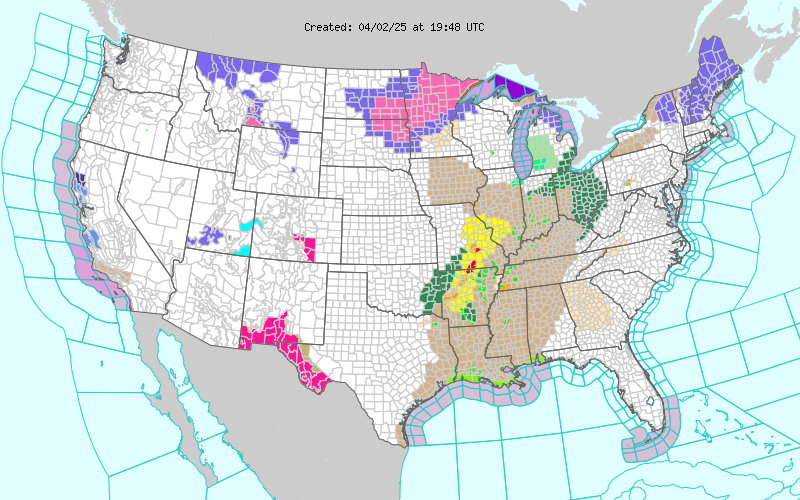
The image is a live image for the National Weather Service server. It gets updated on Real time.
Regional Snapshot: A Divided Southern Sky
The Southern Zone is currently under the influence of two distinct air masses. A significant cold front has swept through the central and western parts of the region, ushering in crisp, clear, and notably colder air. Cities like Albuquerque, Oklahoma City, Dallas, and Little Rock will awaken to frosty temperatures, with many areas struggling to reach above freezing in the morning hours. This cold, dry air mass is contributing to mostly sunny to clear conditions, promising a bright but brisk day.
Conversely, the southeastern flank, particularly across Florida, remains under a warmer, more humid influence, characterized by a higher chance of showers and even isolated thunderstorms. Miami, Orlando, and Tampa will experience significantly milder temperatures, with the potential for precipitation throughout the day. The central Gulf Coast, including New Orleans, Baton Rouge, and Houston, sits in a transitional zone, experiencing cooler but relatively mild conditions with a mix of sun and clouds.
Overall, the region is free from severe weather alerts, indicating no immediate threats of extreme conditions like blizzards, ice storms, or widespread severe thunderstorms. However, localized concerns, particularly regarding cold temperatures in the north and rain in the south, warrant attention.
Detailed City Forecasts: Morning & Evening Conditions
Let's take a closer look at what specific cities can expect on December 8th, 2025:
- Albuquerque, NM: Your day begins with a crisp 28°F under mostly sunny skies with calm winds. By evening, temperatures will climb to a pleasant 42°F, remaining mostly clear with light 5 mph winds.
- Oklahoma City, OK: Expect a very cold start at 29°F with partly sunny conditions and a light 2 mph breeze. The evening will see a significant warm-up to 40°F under clear skies, with winds picking up slightly to 8 mph.
- Dallas, TX: A chilly morning at 35°F with sunny skies and a gentle 5 mph wind. The evening brings milder air, reaching 44°F under clear skies with calm winds.
- Little Rock, AR: Wake up to 35°F and sunny conditions, accompanied by a light 5 mph breeze. The evening will be cool at 36°F, mostly clear with calm winds.
- Nashville, TN: A cloudy and cold start at 37°F with a noticeable 10 mph wind. Temperatures will dip to 32°F by evening, remaining mostly cloudy with lighter 5 mph winds.
- Birmingham, AL: Mostly cloudy conditions will greet you at 43°F with a 10 mph wind. The evening will cool to 39°F, staying mostly cloudy with a lighter 5 mph breeze.
- Atlanta, GA: A mostly cloudy morning at 43°F with a light 5 mph wind. By evening, it will be partly cloudy and 40°F, with winds remaining light at 5 mph.
- Houston, TX: Enjoy a mostly sunny morning at 45°F with a 10 mph wind. The evening will be clear and milder at 50°F, with winds easing to 5 mph.
- Jackson, MS: Mostly cloudy skies dominate your morning at 45°F with a 10 mph wind. The evening will be cooler at 41°F, staying mostly cloudy with a light 5 mph breeze.
- Baton Rouge, LA: Partly sunny conditions and 49°F with a 10 mph wind for your morning. The evening will be mostly clear at 46°F, with winds dropping to 5 mph.
- New Orleans, LA: A partly sunny and mild morning at 52°F, but expect a brisk 15 mph wind. The evening will be partly cloudy at 51°F, with winds moderating to 10 mph.
- Jacksonville, FL: A slight chance of rain showers in the morning with temperatures around 56°F and an 8 mph wind. The evening will be mostly cloudy at 53°F with a 9 mph wind.
- Orlando, FL: A slight chance of rain showers is forecast for the morning at 66°F with a light 5 mph wind. By evening, it will be mostly cloudy and 60°F, with winds picking up to 10 mph.
- Tampa, FL: Mostly cloudy conditions are expected in the morning at 68°F with a 6 mph wind. The evening will be partly cloudy and 63°F, with a 7 mph wind.
- Miami, FL: Expect a chance of showers and thunderstorms in the morning at a warm 79°F with a 10 mph wind. The evening brings a slight chance of showers and thunderstorms, with temperatures around 76°F and a 10 mph wind.
Understanding the Atmospheric Dynamics
The divergent weather across the Southern Zone can be attributed to a classic early winter setup. A strong high-pressure system, laden with cold, dry Arctic air, has settled over the central and western United States. This system is responsible for the clear skies and frigid temperatures experienced from New Mexico across Oklahoma, Texas, Arkansas, and into parts of Tennessee and Alabama. High pressure typically brings stable, sinking air, which suppresses cloud formation and precipitation, leading to sunny days and significant radiative cooling at night.
Meanwhile, a persistent flow of moist, warm air from the Gulf of Mexico continues to influence the Florida peninsula. This moisture-rich air, combined with lingering instability, is creating the conditions for scattered showers and thunderstorms, particularly in South Florida. The boundary between these two air masses, often referred to as a stationary or weak cold front, is likely draped across the central Gulf States, contributing to the partly cloudy to mostly cloudy conditions observed in areas like Louisiana, Mississippi, and Alabama, where the air is not as cold as further west but not as warm and humid as Florida.
The wind patterns also reflect this dynamic; stronger winds are noted where the pressure gradient is tighter, such as in New Orleans and Nashville, indicating the proximity of these contrasting air masses. As the day progresses, the high-pressure system is expected to slowly shift eastward, allowing for a gradual moderation of temperatures in the western parts of the zone, while Florida's weather pattern remains relatively consistent.
Agricultural Impact & Considerations
For the agricultural sector across the Southern Zone, this forecast presents a mixed bag of challenges and opportunities. In the colder western and central states, the overnight and morning freezes could pose a threat to any late-season crops still in the ground, or tender winter plantings. Farmers in Oklahoma, Arkansas, and northern Texas should ensure proper irrigation practices are in place to help insulate delicate root systems and consider row covers or other protective measures for vulnerable plants. Livestock also require attention; ensuring access to unfrozen water and adequate shelter is crucial during these colder periods. The clear skies, while cold, do offer good conditions for field work that doesn't require warmer soil temperatures.
Further east, particularly in Florida, the chances of rain are largely beneficial for citrus groves and other subtropical crops, helping to replenish soil moisture. However, excessive rainfall could hinder harvesting operations or contribute to fungal issues if conditions remain damp for extended periods. Growers should monitor forecasts closely for localized heavy downpours that could lead to temporary standing water. The warmer temperatures in Florida are generally favorable for growth, but the associated humidity can also be a factor in pest and disease management.
Overall, careful monitoring of local conditions and proactive measures will be key for Southern farmers navigating this diverse weather landscape.
Travel Advisories & Road Conditions
Travelers across the Southern Zone will encounter varying conditions. In the colder western and central areas (Albuquerque, Oklahoma City, Dallas, Little Rock, Nashville), road conditions are expected to be good, with clear skies and dry pavement. However, drivers should be mindful of potential black ice on bridges and overpasses during the early morning hours where temperatures dip below freezing. While the sun will quickly warm surfaces, shaded areas may retain slick spots longer. Visibility will be excellent due to the clear air.
For those traveling through Florida (Jacksonville, Orlando, Tampa, Miami), the primary concern will be localized rain showers and potential thunderstorms. Roads may become slick, and visibility can be reduced, especially during heavier downpours. Drivers should reduce speed, increase following distance, and be prepared for sudden changes in weather. While widespread severe weather is not expected, isolated thunderstorms can still produce heavy rain and lightning, necessitating caution. Air travel in Florida might experience minor delays due to scattered showers, but major disruptions are unlikely.
Across the central Gulf states (Houston, New Orleans, Baton Rouge, Jackson, Birmingham, Atlanta), generally dry conditions prevail, but partly cloudy skies mean less direct sunlight than further west. Roads should be clear, but coastal areas, particularly in Louisiana, could experience stronger winds, which might affect high-profile vehicles. Always check local traffic reports and weather updates before embarking on your journey.
Health and Safety Recommendations
With such a broad range of temperatures and conditions, health and safety precautions are paramount across the Southern Zone.
- For Colder Regions (NM, OK, TX, AR, TN, AL, GA):
- Layer Up: Dress in multiple layers to trap warmth, especially if spending time outdoors in the morning. Don't forget hats, gloves, and scarves.
- Protect Exposed Skin: Even with mild winds, cold temperatures can lead to frostbite if skin is exposed for too long.
- Check Pipes: Insulate outdoor pipes and allow indoor faucets to drip slightly to prevent freezing, particularly in older homes.
- Carbon Monoxide Safety: If using space heaters or fireplaces, ensure proper ventilation and have working carbon monoxide detectors. Never use a generator indoors.
- Pet Safety: Bring pets indoors or ensure they have adequate, insulated shelter and unfrozen water.
- For Warmer, Wetter Regions (FL):
- Rain Safety: Be cautious of slick roads and reduced visibility while driving. Avoid walking or driving through flooded areas.
- Lightning Awareness: "When thunder roars, go indoors!" Seek shelter immediately if you hear thunder, as lightning can strike even when it's not raining directly overhead.
- Hydration: Despite the rain, warmer temperatures and humidity can still lead to dehydration. Drink plenty of water.
- Sun Protection: Even on cloudy days, UV rays can be strong. If spending time outdoors, consider sunscreen.
- General Advice:
- Stay Informed: Keep an eye on local weather forecasts for any unexpected changes.
- Emergency Kit: Ensure your home and vehicle emergency kits are stocked with essentials.
Preparing for the Week Ahead
Looking beyond Monday, the general trend for the Southern Zone appears to be a gradual moderation of temperatures across the central and western regions as the high-pressure system continues its eastward migration. This means a slight warming trend for areas that experienced the coldest conditions. However, overnight lows may still remain quite chilly for several days.
In Florida, the pattern of warm, humid conditions with chances of scattered showers and thunderstorms is likely to persist through the early part of the week, with no major shifts expected in the immediate forecast. Residents should continue to monitor local radar for pop-up showers.
The interaction between the lingering cold air and the Gulf moisture could lead to some unsettled weather in the transitional zones (Mississippi, Alabama, Georgia) mid-week, though no significant widespread precipitation events are currently anticipated. Overall, the week ahead promises a continued blend of classic early December weather for the diverse Southern Zone, emphasizing the importance of staying updated with the latest forecasts.
Historical Context: Winter in the South
Winter in the Southern United States is a season of remarkable variability, often defying the popular perception of perpetual warmth. While snow and ice are less frequent than in northern latitudes, they are by no means uncommon, especially in the northern reaches of the Southern Zone. Historically, the region has experienced everything from mild, balmy winters to severe ice storms that cripple infrastructure and rare but significant snowfall events that bring cities like Atlanta and New Orleans to a standstill.
For instance, the "Snowmageddon" of January 2014 saw Atlanta paralyzed by just a few inches of snow and ice, highlighting the region's vulnerability to winter precipitation due to less robust infrastructure for snow removal compared to northern cities. Similarly, the deep South has endured numerous impactful cold snaps, such as the infamous 1983 Christmas freeze that devastated Florida's citrus industry. These historical events underscore the importance of preparedness, even when forecasts predict relatively mild conditions.
This week's forecast, with its distinct temperature gradient, is a classic example of early winter dynamics in the South: a strong cold air mass pushing south, encountering the persistent warmth and moisture of the Gulf. Such patterns are common precursors to more significant winter weather events later in the season, making this a crucial time to review winter preparedness plans.
Expert Insights and Long-Range Outlook
From a meteorological perspective, the current setup is a textbook example of how continental high-pressure systems interact with maritime tropical air masses. The strength and trajectory of the high-pressure ridge are key determinants of how far south the cold air penetrates and for how long it lingers. The absence of strong low-pressure systems currently means that while there's a significant temperature contrast, there isn't a widespread mechanism for heavy precipitation or severe weather across the entire zone.
Looking further into the winter season, the Southern Zone's weather is often influenced by larger climate phenomena such as the El Niño-Southern Oscillation (ENSO). While we are not making specific long-range predictions here, historically, different ENSO phases can lead to varying winter outcomes. A typical La Niña winter, for example, often brings warmer and drier conditions to the southern tier of the US, while El Niño can lead to cooler and wetter conditions. These broad patterns provide context for the variability we often see, but daily and weekly forecasts remain crucial for immediate planning.
This week's forecast serves as a reminder that even without major alerts, understanding the nuances of temperature, wind, and precipitation is vital. The Southern Zone's unique geography, bordering both the Gulf of Mexico and the colder interior, ensures a dynamic and often surprising winter season.
Stay tuned to your local weather updates and enjoy the diverse weather tapestry unfolding across the Southern Zone!
This post is created using the public data provided by the National Weather Service. Please check the Original source for more information.

Comments
Post a Comment
Please leave a comment.