Southern Zone Weather Forecast: Clear Skies & Warming Trends Ahead
Southern Zone Weather Forecast: Embracing Clear Skies and a Warming Trend
As the vibrant tapestry of the Southern United States prepares for another mid-December week, residents and visitors alike are greeted with a predominantly tranquil weather pattern. From the sun-drenched beaches of Florida to the rolling plains of Oklahoma and the historic cities of the Deep South, a welcome stretch of clear to partly sunny skies is on the horizon. While overnight temperatures will dip to chilly levels in many inland areas, the daytime promises a pleasant warming trend, making for ideal conditions for outdoor activities and travel across much of this expansive region.
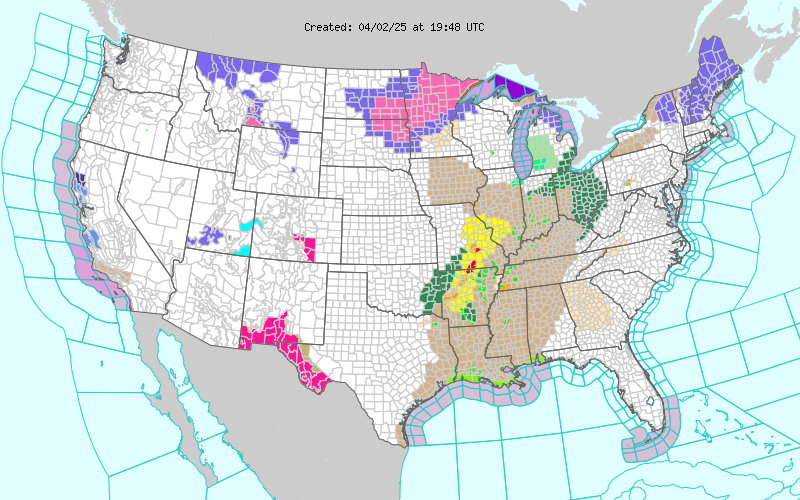
The image is a live image for the National Weather Service server. It gets updated on Real time.
Understanding the nuances of weather across the Southern Zone is crucial, given its immense geographical diversity. This forecast delves into the specifics for major metropolitan areas, offering insights into what to expect as we transition from a crisp Tuesday evening into a bright Wednesday. We'll explore everything from temperature fluctuations and wind patterns to their potential impacts on agriculture, travel, and daily life, ensuring you're well-prepared for the days ahead.
Current Conditions and Overnight Outlook: A Chilly, Clear Night for Many
As Tuesday, December 9th, draws to a close, a significant portion of the Southern Zone is settling into a rather crisp and clear evening. For those in the heart of the Deep South and the Southern Plains, bundling up will be essential. Cities like Little Rock, AR, are bracing for a chilly 33°F under mostly clear skies, with a light 10 mph breeze. Similarly, Atlanta, GA, will see temperatures drop to 37°F with partly cloudy conditions and a gentle 5 mph wind, while Birmingham, AL, anticipates 38°F with mostly clear skies and a light 5 mph breeze. Further west, Nashville, TN, will experience 40°F with partly cloudy skies, accompanied by a more noticeable 15 mph wind, suggesting a brisk evening.
Moving towards the Gulf Coast and parts of the central South, conditions remain cold but slightly milder than their northern counterparts. New Orleans, LA, and Baton Rouge, LA, will both see temperatures around 42-45°F under mostly clear skies with virtually no wind, making for a still, calm night. Jackson, MS, will be a bit colder at 42°F but equally clear with a light 5 mph wind. Out in the Southern Plains, Dallas, TX, and Houston, TX, are looking at 52°F with clear to mostly clear skies and light winds of 5-10 mph, offering a relatively comfortable evening. Oklahoma City, OK, will also be around 50°F with mostly clear conditions and a 9 mph wind.
The Florida Peninsula presents a stark contrast, maintaining its characteristic warmth. Jacksonville, FL, will be cooler at 44°F with partly cloudy skies and an 8 mph wind. However, Orlando, FL, and Tampa, FL, will hover in the mid to upper 50s (56-59°F) under mostly cloudy skies and light 5 mph winds. The warmest spot in the zone, Miami, FL, stands out with a balmy 73°F and a 10 mph wind, with a slight chance of showers and thunderstorms tonight – a reminder of the tropical influence that often distinguishes South Florida from the rest of the region. On the southwestern fringe, Albuquerque, NM, will be 42°F with mostly clear skies and a light 5 mph wind.
The Day Ahead: Wednesday's Forecast (December 10th) Brings Sunshine and Rising Temperatures
Wednesday, December 10th, promises a beautiful day across the Southern Zone, with a widespread trend towards sunnier skies and significantly warmer temperatures compared to the overnight lows. This warming pattern will be a welcome change for many, making for a pleasant mid-week experience.
In the Deep South and central states, temperatures will rebound nicely. Little Rock, AR, will climb to a comfortable 52°F under sunny skies with a 10 mph wind. Nashville, TN, will reach 49°F with partly sunny conditions, but watch out for stronger winds picking up to 20 mph, which could make it feel a bit cooler. Atlanta, GA, and Birmingham, AL, will both see sunny skies and temperatures in the upper 40s (47-48°F), accompanied by a brisk 15 mph wind. Jackson, MS, will enjoy full sunshine and a pleasant 54°F with a 10 mph wind.
Along the Gulf Coast and into the Southern Plains, the warming trend continues. New Orleans, LA, and Baton Rouge, LA, will bask in sunny conditions with temperatures soaring into the upper 50s (58-59°F) and gentle 5 mph winds. Dallas, TX, and Houston, TX, will also experience mostly sunny to sunny skies, reaching 55°F and 61°F respectively, with light 5-10 mph winds. Oklahoma City, OK, will be sunny at 50°F, with winds increasing to 14 mph.
Florida maintains its warm status, with temperatures continuing to climb. Jacksonville, FL, will be sunny and 56°F with an 8 mph wind. Orlando, FL, and Tampa, FL, will both enjoy mostly sunny skies and a pleasant 63°F with light 5 mph winds. The warmest spot remains Miami, FL, which will see partly sunny skies and a tropical 76°F with a moderate 6 mph wind, suggesting a delightful day for beachgoers and outdoor enthusiasts. Out west, Albuquerque, NM, will remain at 42°F but with sunny skies and a light 5 mph wind, a perfect crisp winter day.
Diving Deeper: Regional Variations and Microclimates
The Southern Zone is a vast and ecologically diverse area, stretching from the arid landscapes of New Mexico to the humid subtropical coasts of Florida. This geographical spread inherently leads to significant regional variations in weather patterns, even within a single forecast period. What one experiences in the Appalachian foothills of Georgia can be vastly different from the conditions along the Louisiana bayou or the Texas Panhandle.
For instance, the relatively colder overnight temperatures in cities like Little Rock, Nashville, and Atlanta are characteristic of inland areas during winter. These regions are further removed from the moderating influence of large bodies of water, allowing for more significant radiational cooling under clear skies. The higher elevations in parts of Tennessee and Georgia, while not extreme, can also contribute to lower temperatures compared to coastal plains. The brisk winds in Nashville, Atlanta, and Birmingham for Wednesday are a testament to continental air masses moving through, often associated with a high-pressure system bringing clear skies but also a noticeable chill in the air.
Conversely, the Florida Peninsula operates under a distinctly different climatic regime. Surrounded by the Atlantic Ocean and the Gulf of Mexico, its temperatures are heavily moderated. This maritime influence keeps overnight lows significantly higher than inland areas, and daytime highs consistently warmer. Even in December, Miami's forecast of 73°F overnight and 76°F during the day, with a chance of showers, underscores its subtropical climate. The state's unique geography makes it prone to isolated rain chances even when the broader region is dry, as moisture can easily be drawn in from the surrounding waters.
The Gulf Coast states, including Louisiana, Mississippi, and coastal Texas, often represent a transitional zone. While they benefit from the Gulf's moderating effects, they are still susceptible to cold air intrusions from the north, leading to crisp, clear nights like those forecasted. However, their proximity to the Gulf also means a quicker rebound in daytime temperatures and a higher moisture content in the air compared to the drier plains further west in Oklahoma and northern Texas. The Southern Plains, influenced by continental air masses, tend to have wider diurnal temperature swings – colder nights and warmer, drier days – as seen in Dallas, Houston, and Oklahoma City.
Understanding these microclimates and regional variations is not just academic; it's practical. It dictates everything from clothing choices and home heating needs to agricultural practices and travel considerations across the diverse Southern landscape.
Agricultural Impact and Seasonal Considerations
December weather in the Southern Zone holds significant implications for the region's diverse agricultural sector. While many parts of the country are deep into winter dormancy, the South's milder climate means certain agricultural activities continue, and preparation for the next growing season is always underway.
The forecasted clear skies and relatively dry conditions are generally favorable for field work that might involve equipment maintenance or soil preparation in anticipation of spring planting. For winter crops, such as cool-season vegetables grown in parts of Florida, Georgia, and Texas, the mild daytime temperatures are conducive to growth. However, the chilly overnight lows, especially in areas like Little Rock (33°F) and Atlanta (37°F), necessitate vigilance for any cold-sensitive crops or young plantings that might be exposed. While not a hard freeze for most, prolonged exposure to near-freezing temperatures can stress plants.
For Florida's crucial citrus industry, the forecasted temperatures are well above any frost threat, which is a common concern during December in northern and central parts of the state. These mild conditions allow for continued fruit maturation and harvesting activities without the need for protective measures like irrigation or grove heating. The slight chance of showers in Miami tonight is minimal but highlights the occasional need for moisture even in the drier winter months.
Livestock farmers across the Deep South and Plains will need to ensure adequate shelter and water for their animals, particularly during the colder nights. While temperatures aren't extreme, consistent exposure to cold and wind can impact animal health and productivity. The increased winds in areas like Nashville, Atlanta, and Birmingham for Wednesday could lead to a higher wind chill factor, making it feel colder for both humans and animals.
Historically, December in the South is often a transition month. While cold fronts are common, extended periods of severe cold are less frequent than in more northern latitudes. The current forecast aligns with a typical pattern of clear, crisp winter days punctuated by cold nights, offering a reprieve from the intense heat and humidity of summer while generally avoiding the widespread severe winter weather seen elsewhere. This period allows for natural chilling hours for certain fruit trees and provides a necessary dormancy for many perennial crops, preparing them for a robust spring awakening.
Travel and Outdoor Activity Advisories
With generally clear skies and rising temperatures, travel across the Southern Zone on Wednesday, December 10th, is expected to be largely unimpeded. However, a few considerations will ensure a smooth journey and enjoyable outdoor experiences.
- Road Conditions: Most roads will be dry, offering excellent driving conditions. Visibility will be high under clear and sunny skies. Drivers should remain attentive, especially during early morning commutes when some areas might still be quite chilly.
- Wind Advisory: While not severe, the increased winds in areas like Nashville (20 mph), Atlanta (15 mph), Birmingham (15 mph), and Oklahoma City (14 mph) on Wednesday could lead to noticeable crosswinds on highways. Drivers of high-profile vehicles, such as RVs and semi-trucks, should exercise extra caution. Boaters on larger lakes or coastal waters in these windy regions should also be aware of choppier conditions.
- Temperature Swings: The significant difference between overnight lows and daytime highs (e.g., Little Rock going from 33°F to 52°F) means dressing in layers is prudent. Mornings will be brisk, but afternoons will be quite pleasant for most.
- Air Travel: No widespread weather-related delays are anticipated. However, it's always wise to check with your airline for any potential local impacts or schedule changes, especially if traveling through Miami which has a slight chance of showers tonight.
- Outdoor Activities: Wednesday will be an excellent day for hiking, golf, or simply enjoying a walk in the park across much of the Southern Zone. The combination of sunshine and mild temperatures is ideal. Remember to stay hydrated even in cooler weather and consider sun protection, particularly in Florida where UV index can still be moderate to high in December.
Health and Safety: Staying Prepared
Even with generally favorable weather, maintaining health and safety awareness is always paramount. The December forecast for the Southern Zone, with its cold nights and mild days, presents specific considerations:
- Layered Clothing: As mentioned, the wide diurnal temperature range necessitates dressing in layers. This allows you to comfortably adapt to the changing temperatures throughout the day, preventing both overheating and excessive chilling.
- Hydration and Sun Protection: Despite cooler temperatures, sunny conditions, especially in Florida and the drier plains, mean that UV exposure is still a factor. Wear sunscreen, sunglasses, and hats if spending extended time outdoors. Continue to drink plenty of water, as cooler, drier air can still lead to dehydration.
- Home Heating Safety: With cold nights prevalent, many homes will be using heating systems. This is a critical time to ensure your heating systems are in good working order and to check carbon monoxide detectors. Never use ovens or outdoor grills as indoor heating sources.
- Pet Safety: Bring pets indoors during the cold overnight hours, especially when temperatures drop near or below freezing. Provide warm bedding and ensure access to unfrozen water.
- Fire Safety: Dry conditions combined with any outdoor burning (where permitted) can increase fire risk. Always exercise extreme caution with any open flames or outdoor heating elements.
Looking Beyond: What This Means for Winter
This mid-December forecast for the Southern Zone offers a snapshot of what is often a characteristic winter pattern for the region: periods of clear, cool to mild weather, interspersed with occasional cold fronts. While the current outlook is predominantly pleasant, it's a gentle reminder that winter can bring its own challenges, from occasional ice storms in the northern reaches of the zone to sudden temperature drops. This week's calm conditions provide an excellent opportunity to ensure homes and vehicles are prepared for any future shifts in weather, reinforcing the importance of being proactive rather than reactive to Mother Nature's moods.
Enjoy the beautiful weather ahead, Southern Zone!
This post is created using the public data provided by the National Weather Service. Please check the Original source for more information.

Comments
Post a Comment
Please leave a comment.