USA National Weather Forecast: Mild December Days Ahead
USA National Weather Forecast: Embracing Mild December Days Across the Nation
As we approach mid-December, many regions across the United States are poised to experience a generally mild and relatively calm weather pattern, offering a gentle transition deeper into the winter season. While localized conditions will always vary greatly across our vast and diverse landscape, a representative snapshot of the national outlook suggests comfortable temperatures and manageable winds for the coming days. This forecast provides an opportunity to reflect on typical December weather, understand its implications, and prepare for the broader winter season ahead.
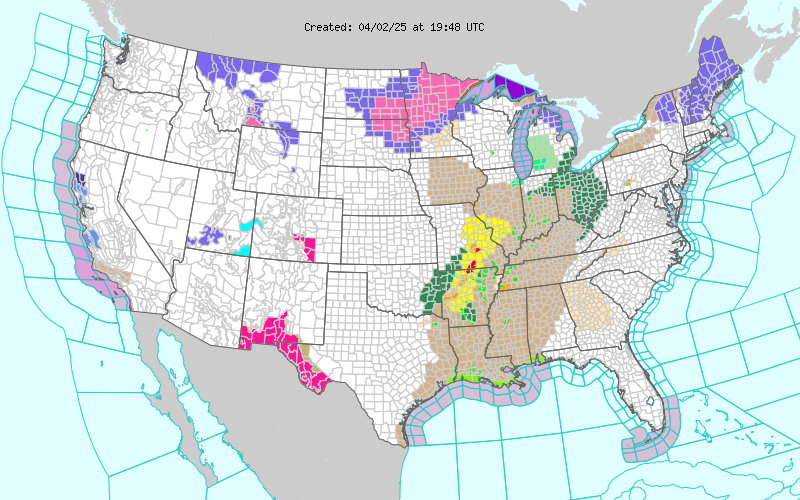
The image is a live image for the National Weather Service server. It gets updated on Real time.


Current Conditions: A Gentle December Afternoon
For the afternoon of Wednesday, December 11th, at 12:00 PM CST, a representative forecast indicates pleasant conditions across many parts of the nation. We anticipate temperatures hovering around 47 degrees Fahrenheit (8 degrees Celsius). These mild readings are often welcomed during a month typically associated with colder fronts and the onset of significant winter weather. Coupled with these comfortable temperatures, winds are expected to be light, generally around 5 miles per hour. Such gentle breezes will likely make outdoor activities more enjoyable, without the biting chill often associated with stronger winds.
The sky conditions for this period are described as Partly Sunny. This means we can expect a mix of sunshine and clouds, providing adequate natural light for daytime activities while perhaps offering some visual interest with scattered cloud formations. For many, a partly sunny day in December is an ideal scenario, allowing for comfortable walks, outdoor errands, or simply enjoying the crisp air without the intensity of full sun or the gloom of overcast skies. These conditions are generally conducive to pleasant daily routines and minimal disruption to travel or outdoor work.
Looking Ahead: The Overnight Transition and Next Morning
As we transition into the overnight hours and the early morning of Thursday, December 12th, at 12:00 AM CST, a slight shift in conditions is anticipated. Temperatures are expected to dip moderately to around 44 degrees Fahrenheit (7 degrees Celsius). This minor decrease is typical as the sun sets and radiative cooling takes effect, but it remains relatively mild for a December night in many areas. While not freezing, it's certainly cool enough to warrant appropriate evening attire for anyone venturing outdoors.
Accompanying this temperature change, winds are forecast to pick up slightly to approximately 10 miles per hour. While still considered moderate, these stronger breezes could introduce a noticeable wind chill, making the effective temperature feel a few degrees colder than the actual air temperature. It's a good reminder that even in mild conditions, wind can significantly impact comfort levels, especially after sunset. The sky will transition to Partly Cloudy, suggesting that while some stars might be visible, cloud cover will be more prevalent than during the daytime hours. This combination of cooler temperatures, moderate winds, and increased cloud cover defines a typical early winter night, urging caution for those outdoors and providing a clear signal for a generally calm start to the next day.
Broader Weather Patterns and Climate Context
December in the United States is a month of immense meteorological diversity. From the snow-covered peaks of the Rockies and the frigid plains of the Midwest to the mild, sometimes summery conditions of the Sun Belt, the nation experiences a vast spectrum of weather. The forecast for partly sunny skies and temperatures in the 40s Fahrenheit, with light to moderate winds and no active alerts, suggests that for a significant portion of the country, the immediate outlook is one of relative tranquility. This period often falls between more intense weather systems, such as arctic blasts or significant coastal storms, which are characteristic of winter.
Historically, December can bring anything from record-breaking blizzards to unseasonably warm spells, influenced by the dance of the jet stream, the positioning of high and low-pressure systems, and phenomena like El Niño or La Niña. A persistent high-pressure ridge, for instance, can lead to prolonged periods of mild, stable weather, while a dipping jet stream can usher in bitter cold. The current conditions, while not indicative of extreme cold, remind us that winter's true grip can tighten quickly. Even in a mild December, regions prone to lake-effect snow, mountain snowfalls, or coastal rain events will still experience their typical seasonal weather, underscoring the importance of consulting local forecasts.
From a climate perspective, recent decades have shown a trend towards milder winters in many parts of the US, though this is often punctuated by intense, short-lived cold snaps. These

Comments
Post a Comment
Please leave a comment.