USA Winter Weather Outlook: Navigating a Mild Start to December 2025
USA Winter Weather Outlook: Navigating a Mild Start to December 2025
As the calendar pages turn to December, the United States braces for the official onset of winter. While many envision a landscape blanketed in snow and crisp, freezing air, the initial forecast for early December 2025 suggests a more nuanced transition. Our national outlook points to a period characterized by generally mild temperatures for the time of year across many regions, accompanied by relatively light winds and a mix of sunshine and cloud cover. This early December pattern offers a valuable opportunity for preparation, reflection, and understanding the broader implications of winter weather variability across our diverse nation.
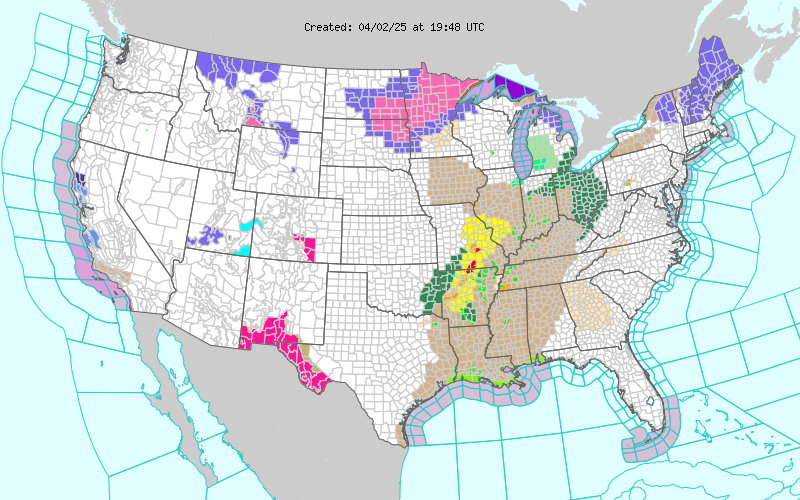
The image is a live image for the National Weather Service server. It gets updated on Real time.


Current Conditions & Short-Term Outlook: A Snapshot of Early December
Looking at the immediate forecast, we observe a representative snapshot of conditions across the United States. For Wednesday, December 11th, at 12:00 PM CST, many areas can expect temperatures around 47 degrees Fahrenheit. This is coupled with light winds blowing at approximately 5 miles per hour, under mostly partly sunny skies. This combination suggests a relatively comfortable mid-day for early December, offering a pleasant window for outdoor activities, albeit with the distinct chill that accompanies the season.
Transitioning into the overnight hours and early morning of Thursday, December 12th, at 12:00 AM CST, temperatures are projected to dip to around 44 degrees Fahrenheit. The wind is expected to pick up slightly to around 10 miles per hour, and the skies will be predominantly partly cloudy. This shift indicates cooler nights and mornings, with the increased wind speed potentially introducing a noticeable wind chill factor, making the ambient air feel colder than the thermometer reads. While no severe weather alerts are currently in effect, this general forecast underscores the need for continued vigilance and preparation as winter progresses.
Understanding December Weather Across the Diverse US Landscape
It's crucial to remember that a "national forecast" like this represents a broad average or a common pattern, and the United States is a vast country with incredibly diverse climates. While the reported 40s Fahrenheit might feel mild in the northern states where sub-freezing temperatures are common, they could signify a significant cold snap for parts of the Deep South or a typical cool day in the Pacific Northwest.
- Northeast & Midwest: For these regions, temperatures in the mid-40s during the day in early December are often considered mild. However, residents should still prepare for colder air masses to move in swiftly, bringing the potential for snow, freezing rain, and significantly lower temperatures. The partly sunny to partly cloudy conditions are typical as weather systems move through.
- Southern States: In the Southeast and Gulf Coast, 40-degree temperatures, especially at night, are a clear sign of winter's arrival. While snow is rare, frost and freezing temperatures can impact tender vegetation and outdoor plumbing.
- Mountain West: Higher elevations will undoubtedly be much colder, with snow already present or imminent. The reported temperatures might reflect conditions in lower valleys.
- Pacific Northwest: December here is often characterized by cool, wet weather. Temperatures in the 40s are quite standard, accompanied by frequent rain rather than snow in coastal areas.
- Southwest: Deserts and high plains in the Southwest can experience significant diurnal temperature swings. Daytimes in the 40s might feel cool, but nights can drop well below freezing, requiring heating.
This variability highlights the importance of checking local forecasts specific to your area, even when considering a national overview. The mild winds and partly sunny conditions, while pleasant, should not lull anyone into complacency regarding the potential for rapid weather changes inherent to the winter season.
Historical Context and Climate Trends: A Look Back to Inform the Future
December weather in the United States has always been a tapestry of extremes and averages. Historically, early December has often been a period of transition, where the lingering mildness of autumn gives way to the more biting cold of winter. Over the decades, we've seen Decembers ranging from record-breaking warmth that delays ski seasons to brutal cold snaps and historic blizzards that paralyze entire regions.
In recent years, climate trends have introduced increased variability into our winter patterns. While the general trend might point towards warming winters globally, this doesn't preclude intense cold outbreaks or heavy snow events in specific locations. Instead, it often manifests as more erratic weather: periods of unseasonably mild temperatures (like the 40s we're discussing) interspersed with sudden, severe cold fronts or powerful winter storms. This phenomenon, sometimes linked to shifts in the polar vortex or other atmospheric patterns, means that even a mild start to December should be viewed with an eye towards potential rapid changes. Understanding these broader trends helps us contextualize the current forecast and appreciate the need for flexible preparedness strategies.
Agricultural Impact: How Weather Shapes Our Food Supply
For the vast agricultural sector of the United States, December weather, even if seemingly mild, plays a critical role. Temperatures in the 40s Fahrenheit, while not extreme, have specific implications:
- Winter Wheat: Many regions cultivate winter wheat, which requires a period of dormancy. Mild temperatures can be a double-edged sword: if too warm, it might prevent the necessary hardening process or even encourage premature growth, making the crop vulnerable to later, more severe freezes. If just cool enough, it allows for healthy dormancy.
- Livestock: Milder conditions reduce stress on livestock compared to extreme cold, leading to lower feed requirements for maintaining body heat. However, wet conditions combined with cool temperatures can still pose health risks, particularly for younger animals. Farmers must ensure adequate shelter and dry bedding.
- Fruit Trees & Perennials: Many fruit trees and perennial crops require a certain number of "chill hours" (hours below a specific temperature threshold) to produce fruit in the following spring. Unseasonably warm Decembers can sometimes reduce these chill hours, potentially impacting next year's harvest.
- Pest Management: Milder winters can also mean higher survival rates for agricultural pests and diseases, potentially leading to increased challenges for farmers in the spring and summer.
Farmers are constantly monitoring these nuanced weather patterns, making crucial decisions about crop protection, livestock management, and resource allocation based on the evolving forecast. The early December temperatures, while not alarming, are part of this complex equation.
Travel Considerations and Advisories for the Holiday Season
December is a peak travel month, with millions traversing the country for holidays and family gatherings. Even with a forecast of mild temperatures and light winds, travelers must remain vigilant:
- Road Conditions: While major highways might be clear, secondary roads, especially in shaded areas or at higher elevations, can still develop black ice during overnight freezes, even if daytime temperatures are in the 40s. Early morning commuters should exercise extreme caution. Reduced visibility due to fog, common in transitional weather, can also be a hazard.
- Air Travel: Regional weather systems, even if not directly affecting your departure or arrival city, can cause ripple effects across the national air traffic control system. Delays and cancellations can occur due to weather in other parts of the country, so always check flight statuses before heading to the airport.
- Packing Smart: Layering is key. While your destination might be mild, intermediate stops or unexpected delays could expose you to colder conditions. Pack waterproof outer layers, warm socks, and hats, even if you don't anticipate needing them.
- Vehicle Preparedness: Ensure your vehicle is winter-ready: check tire pressure and tread, top off fluids (antifreeze, windshield wiper fluid), test your battery, and pack an emergency kit including blankets, jumper cables, a flashlight, and non-perishable food.
Always have a flexible travel plan and be prepared for potential adjustments due to unforeseen weather changes, especially when crossing multiple climate zones.
Health and Safety Tips During Early Winter
Even moderate winter temperatures require attention to personal health and safety:
- Hypothermia Risk: Don't underestimate the risk of hypothermia, even in temperatures in the 40s, especially if you get wet. Dress in layers, and avoid prolonged exposure to cold and damp conditions.
- Carbon Monoxide Safety: As heating systems kick into high gear, ensure your carbon monoxide detectors are working. Never use generators, grills, or unvented space heaters indoors.
- Fire Safety: Be cautious with fireplaces, wood stoves, and space heaters. Keep flammable materials away, and ensure proper ventilation.
- Flu and Cold Season: Winter is peak season for respiratory illnesses. Practice good hygiene, get vaccinated, and stay home if you're sick to prevent spread.
- Outdoor Activities: If engaging in outdoor recreation, inform someone of your plans, carry appropriate gear, and be aware of changing conditions, especially in remote areas.
Preparing Your Home for the Winter Ahead
The current mild forecast offers a perfect window to finalize your winter home preparations before more severe weather arrives:
- Heating System Check: Schedule a professional inspection of your furnace or heating system to ensure it's running efficiently and safely. Change air filters regularly.
- Insulation and Drafts: Check for drafts around windows and doors and seal them. Consider adding insulation to attics or crawl spaces to prevent heat loss.
- Pipe Protection: Insulate exposed pipes in unheated areas like basements, crawl spaces, and garages to prevent freezing. Know how to shut off your main water supply in case of a burst pipe.
- Emergency Kit: Assemble or replenish an emergency kit with essential supplies: non-perishable food and water for several days, flashlights, extra batteries, a first-aid kit, blankets, and a battery-powered or hand-crank radio.
- Generator Maintenance: If you own a generator, test it regularly and ensure you have an adequate fuel supply. Remember to operate it outdoors in a well-ventilated area.
- Gutter Cleaning: Clear gutters and downspouts of leaves and debris to prevent ice dams and water damage when snow and ice arrive.
Conclusion: Vigilance is Key for a Safe Winter
While the early December 2025 forecast for the United States suggests a relatively mild beginning to the winter season with daytime temperatures in the 40s, light winds, and mixed skies, this should serve as a reminder, not a relaxation of vigilance. The dynamic nature of winter weather, especially across a country as vast as the U.S., means that conditions can change rapidly. From understanding the nuanced impact on agriculture to preparing for safe travel and ensuring household readiness, proactive measures are always the best defense against winter's challenges. Stay informed with local forecasts, heed advisories, and take the necessary steps to ensure a safe and comfortable season for yourself and your community.

Comments
Post a Comment
Please leave a comment.