Western US Weather Forecast: December 8th, 2025 - Sun, Fog, & Rain
Western US Weather Forecast: December 8th, 2025 – A Tapestry of Contrasts
As we approach Monday, December 8th, 2025, the vast and varied Western United States is poised to experience a diverse array of weather conditions. From the sun-drenched deserts of Arizona to the misty coastlines of the Pacific Northwest and the valley fogs of California, this region truly lives up to its reputation for dramatic climatic shifts. This comprehensive forecast will delve into the specifics for major cities, offering crucial insights for residents, travelers, and agricultural communities alike. Understanding these patterns is key to navigating the day safely and efficiently, whether you're planning a commute, a outdoor activity, or managing critical operations.
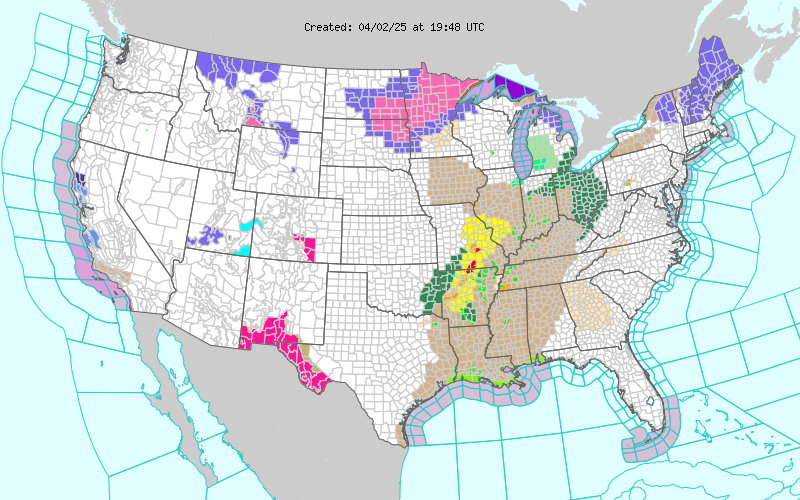
The image is a live image for the National Weather Service server. It gets updated on Real time.
Current Conditions Overview: A Snapshot of Monday Morning
The early hours of Monday, December 8th, present a fascinating mosaic of atmospheric activity across the Western Zone. Southern Arizona is awakening to crisp, clear skies with temperatures comfortably in the 40s and low 50s in cities like Phoenix, Mesa, and Tucson. This promises a bright, if cool, start to the day for desert dwellers.
Further west, California is experiencing a more complex morning. Coastal cities such as San Francisco and Los Angeles are enjoying mostly clear conditions, with temperatures ranging from the mid-40s to low 50s. However, inland valleys, particularly around San Jose and Sacramento, are grappling with significant fog, with temperatures hovering in the low 40s. This dense, widespread fog is a hallmark of California's winter mornings and demands extra caution.
Moving north, the Pacific Northwest is already feeling the influence of an approaching system. Seattle, Portland, and Eugene are waking up to temperatures in the low 50s, accompanied by a chance of light rain or even light rain likely in Eugene. Winds are generally light to moderate in these areas, but the dampness is a clear indicator of the day's wet outlook.
In the Intermountain West, Salt Lake City, Utah, starts off mostly cloudy with temperatures near 39°F, while Reno, Nevada, is clear and chilly at 37°F. Las Vegas, Nevada, also sees partly cloudy skies and a milder 49°F to begin the day. This diverse morning tableau sets the stage for a day of distinct regional weather narratives.
Detailed City Forecasts: Navigating Your Day Across the West
Let's break down what residents in specific Western cities can expect throughout Monday, December 8th, 2025:
- Phoenix, AZ: Enjoy a beautiful day! Starting clear at 50°F with no wind, it will warm up significantly to a sunny 72°F by the afternoon, remaining calm.
- Mesa, AZ: Similar to Phoenix, Mesa begins clear at 48°F with no wind. The afternoon will be sunny and warm, reaching 73°F with light winds up to 5 mph.
- Tucson, AZ: A clear morning at 42°F and light 5 mph winds transitions to a sunny afternoon at 74°F, maintaining light winds.
- Los Angeles, CA: Mostly clear skies and 53°F in the morning with no wind will give way to a remarkably warm and sunny afternoon, soaring to 79°F with light 5 mph breezes.
- San Diego, CA: Starting partly cloudy at 55°F with 5 mph winds, San Diego will see abundant sunshine by afternoon, reaching a pleasant 73°F with 10 mph winds.
- San Francisco, CA: A mostly clear morning at 46°F with light 3 mph winds will lead to a sunny afternoon at 58°F, with slightly stronger 6 mph winds.
- San Jose, CA: Be aware of areas of fog in the morning, with temperatures at 41°F and light 2 mph winds. The fog should lift for a sunny afternoon, reaching 62°F with 5 mph winds.
- Sacramento, CA: Widespread fog is expected in the morning, holding temperatures at 42°F with very light 1 mph winds. The afternoon will be mostly cloudy and cooler, only reaching 50°F with 2 mph winds.
- Fresno, CA: Mostly cloudy conditions start the day at 42°F with no wind. The afternoon will remain cool and partly sunny, reaching 49°F with no wind.
- Las Vegas, NV: Partly cloudy skies and 49°F with 3 mph winds in the morning will clear to a sunny afternoon, reaching 67°F with continued light 3 mph winds.
- Reno, NV: A chilly but mostly clear morning at 37°F with no wind will transition to a beautifully sunny afternoon, warming up to 57°F with continued calm conditions.
- Salt Lake City, UT: Mostly cloudy skies and 39°F with 2 mph winds characterize the morning. The afternoon will turn sunny, reaching 49°F with light 3 mph winds.
- Portland, OR: A chance of light rain in the morning at 51°F with 6 mph winds will intensify to rain by the afternoon, with temperatures reaching 57°F and stronger winds up to 17 mph.
- Seattle, WA: Similar to Portland, Seattle sees a chance of light rain in the morning at 51°F with 10 mph winds. Rain is likely in the afternoon, with temperatures reaching 56°F and significant winds up to 25 mph.
- Eugene, OR: Light rain is likely in the morning at 53°F with 6 mph winds. This will continue into the afternoon, with temperatures around 56°F and winds increasing to 12 mph.
Travel Impact and Advisories for December 8th
Travelers across the Western Zone will face varying conditions. The most significant concern for Monday morning will be the widespread fog in California's Central Valley, particularly affecting areas around Sacramento and San Jose. Motorists are advised to significantly reduce speed, use low-beam headlights, and maintain extra following distance. Visibility can drop rapidly in these conditions, making travel hazardous.
In the Pacific Northwest, rain will be a factor throughout the day. Drivers in Seattle, Portland, and Eugene should anticipate wet roads, reduced visibility, and potential for hydroplaning. Stronger winds in the afternoon, especially in Seattle (up to 25 mph), could also make driving high-profile vehicles challenging. Allow extra time for commutes and ensure your vehicle's wipers and tires are in good condition.
Conversely, travel across much of Arizona, Southern California, and Nevada is expected to be clear and pleasant, offering ideal conditions for road trips. However, the significant temperature swings from morning to afternoon in the desert regions mean travelers should dress in layers. While winds are generally light across the region, always be mindful of potential crosswinds, especially on open stretches of highway.
Agricultural Considerations in a Diverse Climate
The varied weather across the Western Zone on December 8th will have distinct implications for agricultural sectors. In the desert Southwest (Arizona), the clear, warm, and sunny conditions are largely favorable. Winter crops like lettuce, broccoli, and citrus thrive in these mild daytime temperatures, allowing for continued growth and harvesting activities. The cool, clear nights help maintain crop quality and reduce pest pressure. However, growers should always monitor for any unexpected dips in overnight temperatures that could necessitate frost protection for sensitive crops, although none are specifically forecast for this date.
California's agricultural heartland, the Central Valley, faces challenges from the morning fog. While fog can provide some moisture and moderate temperatures, widespread, dense fog can delay field work, impact sun exposure for crops, and create conditions conducive to certain fungal diseases if it persists for too long. For citrus and nut growers, these conditions are generally manageable, but the lack of strong winds means the fog will be slow to dissipate. The cooler, mostly cloudy afternoon in areas like Sacramento and Fresno will further limit solar radiation, which could slightly slow photosynthetic activity in winter vegetables.
In the Pacific Northwest, the consistent rain, especially in areas like Eugene, Portland, and Seattle, is a mixed blessing. While December is typically a wet month, this moisture is crucial for replenishing soil moisture and supporting winter dormancy for perennial crops like berries and orchard fruits. However, excessive or prolonged heavy rain can lead to saturated soils, increasing the risk of root rot and erosion. Growers will be monitoring drainage systems and ensuring proper field access as the ground becomes softer. The stronger winds in the afternoon could also pose a minor risk to any remaining delicate structures or late-season harvest efforts.
Overall, the forecast presents a typical December day for the Western agricultural landscape, with regions adapting to their characteristic winter weather patterns. Vigilance and appropriate management strategies remain paramount.
Historical Context: Western Weather Patterns in December
December in the Western United States is a month of significant climatic transition and often dramatic weather events. This region, spanning diverse geographies from arid deserts to towering mountain ranges and temperate rainforests, experiences a wide spectrum of conditions that are deeply rooted in its unique meteorology.
Historically, December marks the heart of the wet season for much of California and the Pacific Northwest. This is when the jet stream typically shifts southward, bringing a parade of Pacific storm systems onshore. These systems are often fueled by what are known as atmospheric rivers – narrow corridors of concentrated moisture that can deliver immense amounts of rain and snow, particularly to coastal mountains. While the current forecast for December 8th shows a relatively modest rain event for the Pacific Northwest and clear conditions for much of California, the potential for these powerful storms is ever-present throughout the month.
In contrast, the desert Southwest, including Arizona and parts of Nevada, typically experiences its coolest and driest month in December. High-pressure systems often dominate, leading to clear skies, warm daytime temperatures, and significantly cooler, sometimes freezing, nights. The current forecast for Phoenix and Tucson, with clear skies and pleasant temperatures, aligns perfectly with this historical pattern. These conditions are a major draw for winter tourism, offering a stark contrast to the colder, wetter climates elsewhere.
California's Central Valley frequently experiences dense Tule fog during December. This radiation fog forms under clear, calm conditions when moist air near the ground cools rapidly overnight, condensing into a thick blanket that can persist for days. The forecast for Sacramento and San Jose reflects this classic winter phenomenon, which has historically posed significant challenges for transportation and air quality.
Understanding these historical trends helps contextualize the current forecast and reminds us of the dynamic nature of Western weather. While December 8th presents a relatively calm day for many, the broader season is ripe for more impactful weather events.
Essential Preparedness Tips for Monday, December 8th
Given the varied forecast across the Western Zone, preparedness is key. Here are some actionable tips:
- For Foggy Areas (Central California): If you must drive, turn on your low-beam headlights (not high beams, as they reflect off the fog). Reduce your speed significantly and increase your following distance. Be extra vigilant for pedestrians, cyclists, and unexpected stops. Consider delaying non-essential travel until the fog lifts.
- For Rainy Areas (Pacific Northwest): Ensure your vehicle's tires have adequate tread and your windshield wipers are in good working order. Drive slower than usual, especially on highways, and be mindful of hydroplaning. Carry an umbrella or rain gear if you'll be outdoors.
- For Warm & Sunny Areas (Arizona, Southern California, Nevada): While pleasant, remember the sun can still be strong. Wear sunscreen, even in December, especially if spending extended time outdoors. Stay hydrated. The temperature difference between morning and afternoon can be significant, so dressing in layers is advisable.
- General Preparedness: Keep an emergency kit in your car with essentials like water, snacks, a first-aid kit, and a fully charged phone. Check local weather updates regularly, as conditions can change. Inform others of your travel plans, especially if heading into remote areas.
- Home Preparedness: For those in cooler regions, ensure heating systems are functioning properly. In areas prone to heavy rain, check gutters and downspouts to ensure they are clear and draining away from your home's foundation.
By taking these simple precautions, you can ensure a safer and more comfortable experience as you navigate the diverse weather patterns of the Western United States on December 8th.
Looking Ahead: Maintaining Vigilance
As Monday, December 8th, unfolds, the Western Zone will continue to showcase its remarkable climatic diversity. While many will enjoy pleasant, sunny conditions, particularly in the southern reaches, those in the Pacific Northwest and California's valleys will need to contend with rain and fog, respectively. Staying informed through reliable weather sources and exercising caution will be paramount for a smooth and safe day. The dynamic nature of Western weather means that conditions can evolve, so maintaining vigilance is always a wise approach.
This post is created using the public data provided by the National Weather Service. Please check the Original source for more information.

Comments
Post a Comment
Please leave a comment.