Western US Weather Forecast: December 8th - Diverse Conditions Ahead
Western US Weather Forecast: A Tapestry of December Conditions on December 8th, 2025
The vast and varied landscape of the Western United States is once again showcasing its diverse meteorological character as we head into December 8th, 2025. From the sun-drenched deserts of Arizona to the rain-soaked coasts of the Pacific Northwest, residents and travelers alike can expect a wide array of conditions. This comprehensive forecast will delve into the specifics for major cities, offer crucial travel advisories, discuss potential agricultural impacts, and provide essential preparedness tips to navigate the day ahead. Understanding these regional nuances is key to planning your activities, whether you're commuting, working outdoors, or enjoying the unique beauty of this expansive region.
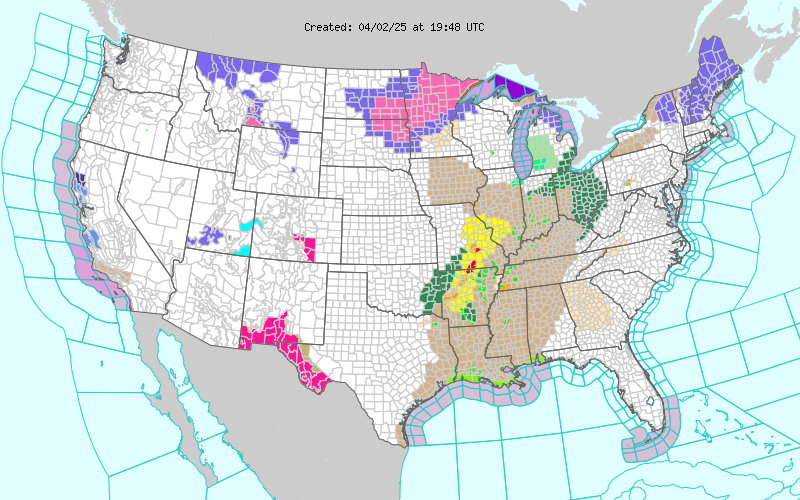
The image is a live image for the National Weather Service server. It gets updated on Real time.
Current Conditions and Regional Overview
The Western Zone, encompassing a significant portion of the continental U.S., rarely experiences uniform weather. Today is no exception. We observe a distinct split in atmospheric patterns:
- The Southwest, including Arizona and much of Nevada and Southern California, is basking under clear skies and mild temperatures. Cities like Phoenix, Mesa, Tucson, Las Vegas, Los Angeles, and San Diego are reporting sunny or mostly clear conditions, setting the stage for pleasant daytime weather. This consistent warmth and sunshine are a hallmark of winter in these desert and coastal regions, making them attractive destinations.
- Moving north into Central California, a different picture emerges. While many areas will see sunshine later, cities like Sacramento and Fresno are starting the day with areas of fog or mostly cloudy skies, hinting at cooler, more stable air masses. This "Tule fog" phenomenon is a common winter occurrence in the Central Valley, often leading to reduced visibility in the mornings. San Francisco and San Jose will enjoy mostly sunny conditions, but with cooler temperatures than their southern counterparts, reflecting their more northerly latitude and coastal influences.
- The Pacific Northwest, stretching from Oregon up through Washington, is experiencing its characteristic winter weather. Seattle, Portland, and Eugene are all under the influence of precipitation, with rain or a chance of light rain dominating the forecast, accompanied by noticeably stronger winds. This is a typical December pattern for the region, which relies on these wet systems for its water resources and lush environment.
- The Intermountain West, represented by cities like Salt Lake City, Utah, and Reno, Nevada, will see sunny skies, but with significantly colder temperatures, particularly overnight. These regions often experience clear, crisp winter days under high-pressure systems, but the lack of cloud cover allows for efficient radiational cooling once the sun sets, leading to sharp temperature drops.
Detailed City Forecasts: Day and Night Outlook (December 8th, 2025)
Let's break down the expected conditions for key urban centers across the Western Zone, providing a clearer picture for your day and evening plans on December 8th, 2025:
Arizona's Sunny Disposition:
- Phoenix, AZ: Expect a beautiful, sunny day with temperatures reaching around 62°F. Winds will be calm, near 0 mph, making for a very pleasant afternoon. As evening approaches, skies will remain clear, with temperatures settling at a comfortable 56°F and light winds picking up slightly to 5 mph. Perfect conditions for outdoor dining or evening strolls.
- Mesa, AZ: Mirroring Phoenix, Mesa will enjoy sunny skies and a high of 63°F during the day, with no significant wind. Overnight, it will be clear, cooling to 53°F with light 5 mph winds. These conditions are ideal for any planned outdoor activities.
- Tucson, AZ: Another day of abundant sunshine for Tucson, with a high of 65°F and gentle 3 mph winds. The evening will bring clear conditions and a low of 49°F, with winds increasing slightly to 5 mph. The mild temperatures are a welcome respite from the summer heat.
Nevada's Clear Skies:
- Las Vegas, NV: A sunny day is on tap for Sin City, reaching 58°F with a light 3 mph breeze. The night will be clear, with temperatures dropping to 54°F and winds around 5 mph. Excellent weather for exploring the Strip or enjoying outdoor attractions.
- Reno, NV: Northern Nevada will also see sunshine, with a daytime high of 44°F and calm winds. Overnight, expect mostly clear conditions, with temperatures holding around 43°F and continuing calm winds. While sunny, the air will be crisp, so layering is advisable.
California's Varied Landscape:
- Los Angeles, CA: Southern California residents can look forward to a warm and sunny day, with temperatures soaring to 67°F and light 5 mph winds. The evening will be clear, with a mild 64°F and continued light winds. This is quintessential pleasant Southern California winter weather.
- San Diego, CA: Similar to LA, San Diego will experience sunny conditions, peaking at 56°F with 5 mph winds. The night will be mostly clear, with a pleasant 61°F and calm winds. Beachgoers will find it comfortable for a winter walk.
- San Francisco, CA: The Bay Area will see mostly sunny skies and a cooler 48°F with 5 mph winds during the day. Overnight, it will be mostly clear, cooling to 47°F with a gentle 3 mph breeze. A light jacket will be necessary, especially near the water.
- San Jose, CA: South Bay will also be mostly sunny, reaching 51°F with a very light 2 mph wind. Patchy fog is expected overnight, with temperatures at 47°F and light 2 mph winds. Commuters should be aware of potential morning fog.
- Sacramento, CA: Expect areas of fog to start the day, with temperatures around 43°F and very light 1 mph winds. By evening, it will be mostly cloudy, with temperatures rising slightly to 45°F and continuing calm winds. Drive cautiously during foggy periods.
- Fresno, CA: Mostly cloudy conditions are forecast for Fresno throughout the day and night. Daytime temperatures will be around 44°F with no wind, dropping slightly to 43°F overnight, still with calm winds. The persistent cloud cover will keep temperatures cool.
Pacific Northwest's Rainy Outlook:
- Seattle, WA: Rain is expected throughout the day, with temperatures around 51°F and moderate 10 mph winds. The evening will continue to see rain, with temperatures rising slightly to 55°F and stronger 12 mph winds. Be prepared for wet conditions and reduced visibility.
- Portland, OR: Rain is likely in Portland, with a daytime high of 55°F and brisk 15 mph winds. The evening will also be rainy, with temperatures remaining at 55°F and winds picking up to 18 mph. High winds could make driving challenging for some vehicles.
- Eugene, OR: There's a chance of light rain for Eugene, with temperatures around 54°F and 10 mph winds. The evening forecast also includes a chance of light rain, with temperatures at 55°F and winds increasing to 14 mph. Keep an umbrella handy.
Intermountain West's Crisp Air:
- Salt Lake City, UT: Enjoy sunny conditions with a high of 45°F and light 2 mph winds. As night falls, it will be mostly clear and significantly colder, dropping to 37°F with 5 mph winds. A noticeable chill will set in after sunset.
Travel Considerations and Advisories
Travelers across the Western Zone should be aware of varying conditions that could impact their journeys on December 8th, 2025. Prudent planning and awareness of regional specifics are key to a safe trip.
- Pacific Northwest: The persistent rain in cities like Seattle, Portland, and Eugene means roads will be wet and visibility may be reduced. Drivers should exercise extreme caution, reduce speed, and maintain increased following distances. Hydroplaning is a risk, especially on highways where water can accumulate. Stronger winds, particularly in Portland (up to 18 mph overnight), could make driving high-profile vehicles challenging and potentially lead to minor delays or ferry disruptions along the coast. Ensure your vehicle's windshield wipers are in good condition and your tires have adequate tread.
- Central California: Early morning commuters in areas like Sacramento and San Jose should anticipate patchy fog. Fog can drastically reduce visibility, making driving hazardous. Remember to use your low-beam headlights, slow down, and avoid using high beams, which can reflect off the fog and worsen visibility. Allow extra time for travel and be particularly vigilant around intersections and railway crossings. The transition from dense fog to clear conditions can be abrupt, so stay alert.
- Southwest and Southern California: Generally excellent travel conditions are expected with sunny skies and mild temperatures. This means smooth sailing for most road trips and commutes. However, even in clear weather, rapid temperature drops overnight in desert regions (e.g., Tucson, Las Vegas) can lead to cooler road surfaces. While unlikely to cause ice with these forecast temperatures, it's always something to be mindful of in winter. Always ensure your vehicle is in good working order for longer drives, especially checking fluid levels and tire pressure.
- Mountain Passes: While not explicitly detailed in the city data, December in the Western US often means mountain passes can experience significantly different conditions than the valleys. Even with sunny forecasts in nearby cities like Reno or Salt Lake City, higher elevations could see colder temperatures and potential for snow or ice. If your travel plans include crossing major ranges like the Sierra Nevada or the Rockies, always check specific mountain pass conditions (e.g., Caltrans for California, UDOT for Utah) before departing. Carry chains if required or advised, and be prepared for rapidly changing weather at higher altitudes.
Agricultural Impacts and Environmental Notes
The diverse weather patterns across the Western Zone will have distinct implications for agriculture and the natural environment. Understanding these effects is vital for farmers, ranchers, and environmental managers.
- Pacific Northwest: The ongoing rain is generally beneficial for winter wheat, cover crops, and other cool-season crops, replenishing soil moisture after the drier summer months. This precipitation is also crucial for the region's vast timber industry and for maintaining healthy river flows for salmon. However, excessive or prolonged heavy rain could lead to localized flooding in low-lying agricultural areas, particularly near rivers and streams, and increase the risk of fungal diseases in some crops if fields remain waterlogged. Farmers should monitor drainage and field conditions closely to prevent root rot and other moisture-related issues. The increased wind could also pose a risk to young trees or structures.
- California's Central Valley: The patchy fog in areas like Sacramento and Fresno, while potentially a nuisance for drivers, can also play a significant role in agriculture. Known as "Tule fog," it is common in the Central Valley during winter and can help maintain moisture for dormant crops like nut trees and grapes, providing essential chilling hours needed for proper bud break in spring. However, dense, persistent fog can also delay drying times for harvested produce, hinder pest control applications, or create challenges for orchard management due to reduced visibility and prolonged dampness. The mostly cloudy conditions in Fresno suggest a lack of strong sun, which can slow growth for some winter vegetables and cover crops.
- Southwest Deserts: The sunny and clear conditions in Arizona and Southern Nevada are typical for winter and are highly favorable for winter vegetable crops and citrus. While pleasant for residents, this means continued reliance on irrigation for many agricultural operations, as natural precipitation is minimal. The lack of precipitation contributes to very low humidity, which, even in cooler temperatures, can be a factor in maintaining soil moisture levels and increasing evaporation rates. For natural desert ecosystems, these dry conditions mean continued vigilance against wildfire risks, even though winter typically sees lower activity compared to the scorching summer months. The mild temperatures are also beneficial for livestock grazing.
- Intermountain West: Sunny days in Salt Lake City are welcome, but the significant temperature drop overnight to 37°F highlights the need for protection for any sensitive outdoor plants or livestock. Farmers and ranchers in these colder regions are well-versed in preparing for freezing temperatures, ensuring adequate shelter, feed, and water access for animals. Frost protection measures might be needed for any late-season hardy crops. The clear skies during the day are good for solar energy production, but the cold nights necessitate energy conservation for heating.
Historical Context and December Climate Patterns
December in the Western United States is a month of dramatic climatic contrasts, reflecting the vast geographical diversity of the region. The current forecast aligns well with typical December patterns, albeit with minor variations that are always part of natural weather variability.
- Historically, the Pacific Northwest enters its wet season in earnest by December. Storm systems frequently track into the region from the Pacific Ocean, bringing abundant rainfall, which is crucial for its temperate rainforests, hydroelectric power generation, and the overall water supply for its urban centers and agriculture. The current forecast for Seattle, Portland, and Eugene—rain with stronger winds—is a classic December scenario, a testament to the persistent influence of the Pacific Ocean and the prevailing westerly flow.
- California, particularly the northern and central parts, also typically sees an increase in precipitation during December, marking the beginning of its crucial rainy season. This precipitation is vital for replenishing reservoirs and groundwater, essential for the state's massive agricultural industry and urban populations. While we see some rain chances further north in Oregon and Washington, California's forecast leans towards drier, sunnier conditions in the south and fog in the Central Valley, suggesting that a strong, widespread "atmospheric river" event isn't currently impacting the state. However, the presence of fog in Sacramento and Fresno is a common winter phenomenon, often associated with stable air masses trapping moisture close to the ground, a microclimate feature that has long defined winter mornings in the Central Valley.
- The Southwest deserts, including Arizona and Southern Nevada, generally experience their coolest and driest months in winter. Sunny, mild days and cool, clear nights, as forecast for Phoenix, Las Vegas, and Tucson, are characteristic. This period is often considered the "peak season" for tourism in these areas due to the comfortable weather, offering a stark and welcome contrast to their intense summer heat. While some winter storms can bring rain, prolonged periods of clear, dry weather are more common.
- The Intermountain West, exemplified by Salt Lake City and Reno, transitions fully into winter in December. Clear skies often mean efficient radiational cooling, leading to cold nights, especially in valley locations. The forecast for sunny days and cold, clear nights is typical, indicating stable high-pressure systems are often in play, though these regions are also prone to significant snow events from passing storm systems that can dramatically alter conditions within a short period. The snowpack in the mountains surrounding these cities is critical for their spring and summer water supply.
Understanding these historical patterns helps contextualize the daily forecast, reminding us that while specific conditions vary, the overall regional climate signatures remain consistent, shaping the landscape and lifestyles across the diverse Western United States.
Preparedness Tips for Western Zone Residents
Given the varied conditions across the Western Zone, preparedness is paramount for residents and visitors on December 8th, 2025. Taking proactive steps can ensure safety and comfort, regardless of your location in this expansive region. Here are some essential tips tailored to the forecast:
For Rainy Regions (Pacific Northwest):
- Outdoor Gear: Ensure you have waterproof jackets, umbrellas, and appropriate footwear with good traction. Layers are also advisable as temperatures can fluctuate even during rainy days.
- Driving Safety: Check tire tread and pressure regularly. Use headlights, even during the day, and slow down significantly on wet roads. Be aware of standing water and potential for hydroplaning. Increase your following distance to allow for longer braking times.
- Home Maintenance: Clear gutters and downspouts to prevent water buildup around your home's foundation. Check for any leaks in your roof or windows, addressing them before heavy rain can cause damage. Keep drains clear of leaves and debris.
For Foggy Areas (Central California):
- Driving in Fog: Reduce speed dramatically, use low-beam headlights (never high beams, as they reflect off the fog), and increase following distance. Avoid sudden braking or lane changes. If visibility becomes too low, pull over to a safe location, turn on your hazard lights, and wait for conditions to improve.
- Layered Clothing: Fog often means cooler, damp air, which can feel colder than the actual temperature. Dress in layers to stay comfortable throughout the day.
- Morning Commutes: Allow extra time for your morning commute, as fog can significantly slow traffic.
For Sunny but Cooler Regions (Intermountain West, Northern California):
- Layering is Key: While days are sunny, temperatures can drop significantly after sunset, especially in places like Salt Lake City and Reno. Dress in layers that you can easily add or remove to adapt to temperature swings from day to night.
- Vehicle Readiness: Ensure your vehicle's antifreeze is at the correct level and your battery is in good condition, especially if you anticipate colder overnight temperatures. Cold weather can reduce battery efficiency.
- Protecting Plants/Pipes: If you have sensitive outdoor plants, consider covering them with burlap or frost cloths overnight. In areas prone to freezing, take precautions to prevent outdoor pipes from bursting, such as insulating them or allowing a slow drip from faucets.
For Mild and Sunny Regions (Southwest, Southern California):
- Sun Protection: Even in winter, the sun can be strong in these latitudes. Wear sunscreen, sunglasses, and a hat, especially if spending extended time outdoors.
- Hydration: Maintain good hydration, particularly if engaging in outdoor activities, as dry air can still lead to dehydration, even in mild temperatures.
- Fire Safety: Despite cooler temperatures, dry conditions mean fire risk is still present. Be mindful of any outdoor activities that could spark a fire.
General Preparedness:
- Emergency Kit: Always have a basic emergency kit in your home and vehicle, including water, non-perishable food, blankets, a first-aid kit, a flashlight with extra batteries, and a charged cell phone or portable charger.
- Stay Informed: Continue to monitor local weather forecasts and advisories from trusted sources throughout the day, as conditions can change rapidly in the Western US. Local news outlets and official weather websites are your best resources.
Looking Ahead: What to Expect Beyond Today
While our immediate focus is on December 8th, it's always prudent to consider the broader outlook for the Western Zone. The current pattern, characterized by a distinct split between a wetter Pacific Northwest and a drier, milder Southwest, is a common winter configuration. However, these atmospheric patterns are dynamic and subject to change as the season progresses.
Meteorologists will be closely watching for any shifts in the jet stream that could bring more widespread precipitation to California. California's water supply is heavily dependent on winter rainfall and mountain snowpack, making every storm system a critical event for the state's long-term water security. Similarly, the intensity and frequency of storm systems impacting the Pacific Northwest will be closely monitored, as these dictate flood risks, hydroelectric power generation, and the health of the region's ecosystems.
For the desert regions, the question will be how long these comfortable, clear conditions persist before any potential for winter rain or colder air masses moves in. While less common, the Southwest can experience significant winter storms. The Intermountain West will continue to experience the classic winter dance between sunny, cold high-pressure systems and the occasional snow-bearing storm, which can rapidly transform conditions from clear to blizzard-like. The development of a robust mountain snowpack in these areas is crucial for spring runoff and water resources for the entire region.
Staying informed through reliable weather channels and being aware of long-range forecasts will be your best defense against any unexpected shifts in this complex and beautiful Western weather tapestry. The dynamic nature of Western weather ensures that there is always something new to monitor and prepare for.
The Western United States on December 8th, 2025, presents a compelling tableau of winter weather. From the rain and strong winds of the Pacific Northwest to the sunny, mild warmth of the Southwest deserts and the cool, foggy mornings of Central California, the region offers a full spectrum of conditions. By understanding these local nuances, staying prepared, and keeping an eye on evolving forecasts, residents and visitors can navigate the day safely and comfortably. Embrace the diversity, but always prioritize safety and informed decision-making.
This post is created using the public data provided by the National Weather Service. Please check the Original source for more information.

Comments
Post a Comment
Please leave a comment.