Western US Weather Forecast: Diverse Conditions for December 15th
Western US Weather Forecast: Diverse Conditions for December 15th
As we approach mid-December on the 15th, the vast and varied landscape of the Western United States is showcasing its characteristic meteorological diversity. From the Pacific Northwest's familiar winter rains to the sun-drenched deserts of Arizona and Nevada, and the often-enigmatic fog of California's valleys, residents and travelers alike will experience a wide array of conditions. This comprehensive forecast delves into the specifics for major metropolitan areas, offering insights into what to expect and how to prepare for the day ahead. Understanding these regional nuances is key to navigating the day safely and efficiently, whether you're commuting, planning outdoor activities, or managing agricultural operations.
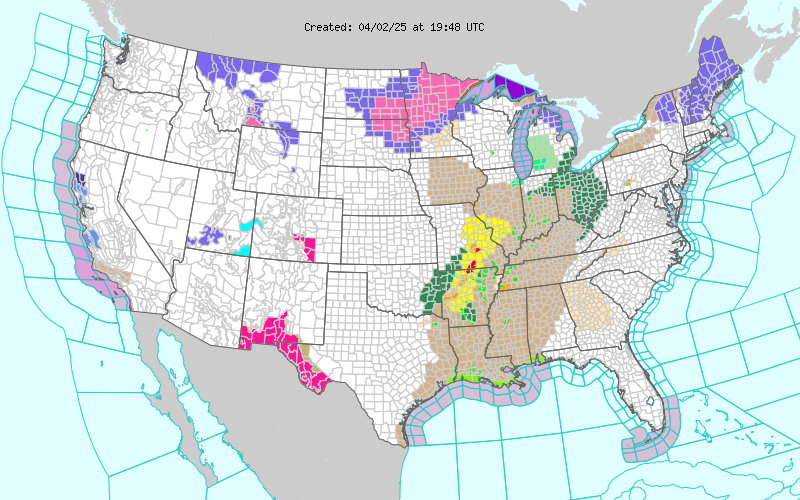
The image is a live image for the National Weather Service server. It gets updated on Real time.
Current Conditions Across the Western States: A Morning Snapshot
The morning of December 15th paints a clear picture of the distinct climate zones within the Western U.S. In the Pacific Northwest, cities like Seattle, Washington, and Portland, Oregon, are waking up to quintessential winter weather. Seattle anticipates a morning temperature of 54°F with brisk winds around 21 mph, accompanied by rain. Portland is similarly expecting rain showers with temperatures around 52°F and 8 mph winds. Further south in Oregon, Eugene is also under the influence of rain showers, with morning temperatures at 53°F and 7 mph winds. This pattern is typical for the region, driven by persistent frontal systems moving in from the Pacific.
California's diverse topography means a mixed bag of conditions. The Central Valley, home to cities like Sacramento and Fresno, is grappling with significant fog. Sacramento reports widespread fog at 41°F with minimal wind, while Fresno experiences mostly cloudy conditions at 43°F, also with calm winds. This "Tule Fog" is a hallmark of California winters, often leading to hazardous driving conditions. Along the coast, San Francisco is mostly cloudy at 45°F with 8 mph winds, while San Jose and Los Angeles are starting with patchy fog, temperatures around 41°F and 52°F respectively, and very light winds. Further south, San Diego also reports patchy fog at 54°F with 5 mph winds, hinting at a marine layer influence.
Moving inland to the Desert Southwest, a much brighter and milder picture emerges. Phoenix, Arizona, and its neighbor Mesa are enjoying sunny conditions with morning temperatures around 55°F and light 5 mph winds. Tucson, Arizona, is similarly sunny at 52°F with 8 mph winds. Las Vegas, Nevada, is clear at 48°F with 5 mph winds. These regions are experiencing a delightful start to the day, a welcome contrast to the cooler, wetter conditions found further north and west.
In the Mountain West, Salt Lake City, Utah, is experiencing a crisp, cold morning at 31°F under sunny skies, with very light winds. Reno, Nevada, is partly cloudy at 34°F with no wind. These colder morning temperatures are characteristic of higher elevation areas during winter, where radiational cooling can be quite effective under clear skies.
Looking Ahead: Your Day-to-Day Western Weather Outlook
The afternoon and evening forecasts for December 15th show some notable transitions across the Western U.S., though the overall regional patterns largely persist. The Pacific Northwest will continue to see active weather. Seattle expects light rain likely into the evening, with temperatures dipping slightly to 53°F but winds remaining strong at 23 mph. Portland has a higher likelihood of showers and thunderstorms, with temperatures rising to 55°F. Eugene also anticipates light rain likely, reaching 57°F. Residents in these areas should be prepared for continuous wet conditions and potential travel disruptions due to heavy rainfall.
California's coastal and valley areas will see the morning fog dissipate in many places, giving way to sunshine. San Jose, San Diego, and Los Angeles are all forecast to turn sunny by the evening, with temperatures climbing into the low to mid-60s (53°F, 62°F, 63°F respectively). San Francisco will transition to mostly sunny conditions at 51°F. However, the Central Valley's fog issue remains more stubborn; Sacramento is expected to have patchy fog persist into the evening at 48°F, and Fresno will remain mostly cloudy at 48°F. This persistent fog can significantly impact air quality and visibility, especially during peak travel times.
The Desert Southwest will maintain its clear and pleasant weather. Phoenix and Mesa are forecast to be clear by evening, with warm temperatures soaring to 73°F and calm winds. Tucson will also be mostly clear at 71°F. Las Vegas will remain sunny and warm, reaching 66°F. These conditions are ideal for outdoor activities, but also highlight the importance of sun protection even in winter, especially for those unaccustomed to the desert sun.
The Mountain West will experience a significant warming trend from morning to evening. Salt Lake City will warm up considerably to 46°F under partly cloudy skies, while Reno will see a dramatic jump to 55°F and mostly sunny conditions. This diurnal temperature range is common in arid mountain environments, where efficient cooling at night gives way to rapid warming under strong winter sun.
Weather Advisories and Safety: A Calm Outlook, But Vigilance is Key
One of the most reassuring aspects of the December 15th forecast for the Western Zone is the complete absence of any severe weather alerts or advisories across all reported cities. There are no warnings for extreme cold, heavy snowfall, high winds, or flash floods. This provides a relatively calm weather picture for the day, allowing residents and travelers to proceed with greater confidence in their plans.
However, the absence of official alerts does not mean a complete absence of localized hazards. For instance, the widespread and patchy fog reported in California's Central Valley (Sacramento, Fresno) and coastal areas (San Jose, Los Angeles, San Diego) presents a significant driving risk. Dense fog can reduce visibility to near zero in moments, making travel extremely dangerous. Drivers in these areas should exercise extreme caution, reduce speeds, use low-beam headlights, and maintain ample following distance. It's always advisable to check local traffic reports before heading out.
In the Pacific Northwest, while no specific warnings are issued, the consistent rain, coupled with moderate to strong winds in Seattle, can lead to slick roads and reduced visibility. The potential for "Showers And Thunderstorms Likely" in Portland in the evening suggests localized heavier downpours and lightning, which could impact outdoor plans. Always be mindful of hydroplaning risks and ensure your vehicle's tires and wipers are in good condition.
Even in the sunny and clear desert regions, the strong sun can be a factor. While temperatures are pleasant, UV radiation can still be significant, especially in higher elevations or for prolonged outdoor exposure. Staying hydrated and using sunscreen, even in December, is a wise precaution.
For those in the Mountain West, the cold morning temperatures, particularly in Salt Lake City, remind us of the potential for black ice on roadways, especially on shaded surfaces or bridges. While the day warms up nicely, overnight refreeze is always a concern in winter months.
Seasonal Context and Climate Insights for the Western US in December
December in the Western United States is a month of dramatic climatic contrasts, perfectly encapsulated by today's forecast. The region stretches from the temperate rainforests of the Pacific Northwest to the arid deserts of the Southwest and the snow-capped peaks of the Rockies and Sierra Nevada. Understanding these broader patterns helps contextualize daily weather events.
The Pacific Northwest typically experiences its wettest months in winter, with December often bringing a relentless series of frontal systems. These systems originate over the Pacific Ocean, carrying ample moisture that is then lifted and cooled as it encounters the coastal mountain ranges, leading to widespread rain. This consistent precipitation is vital for the region's ecosystems and hydroelectric power generation. The current forecast for Seattle, Portland, and Eugene aligns perfectly with this historical pattern, indicating a healthy influx of winter moisture.
California's winter climate is characterized by a Mediterranean pattern: cool, wet winters and hot, dry summers. December is a critical month for water accumulation in the Sierra Nevada snowpack, which acts as the state's primary water reservoir. While today's forecast shows rain in the north and fog in the valleys, the absence of significant statewide storm systems means the focus is on localized conditions rather than major precipitation events. The Tule Fog in the Central Valley is a unique meteorological phenomenon, forming when moist air cools overnight over irrigated fields, trapping pollutants and reducing visibility. It's a key feature of the region's winter climate, often persisting for days or even weeks.
The Desert Southwest, including Arizona and Nevada, generally experiences mild, sunny winters. High-pressure systems often dominate, deflecting storm tracks northward. This leads to the clear skies and comfortable temperatures seen in Phoenix, Tucson, and Las Vegas. While occasional winter storms can bring rain or even snow to higher elevations, the valleys typically remain dry and pleasant. These conditions are a major draw for winter tourism and snowbirds seeking refuge from colder climates.
The Mountain West, exemplified by Salt Lake City and Reno, experiences true winter conditions with cold temperatures and significant snowfall at higher elevations. December is usually well into the ski season. The cold morning temperatures and sunny afternoons reflect the high-desert and mountain climate, where clear skies allow for efficient radiational cooling at night and strong solar heating during the day. Snowfall is crucial for regional water supplies and the winter sports industry.
Agricultural and Economic Impact of Current Western Weather
The varied weather patterns across the Western U.S. on December 15th have distinct implications for the region's diverse agricultural sectors and broader economy.
In the Pacific Northwest, the continued rainfall is generally beneficial for winter wheat, pasture growth, and replenishing soil moisture. However, excessive rain can lead to localized flooding, especially in low-lying areas, and can delay field work or impact harvesting of late-season crops. The prospect of thunderstorms in Portland suggests potential for stronger winds and heavier downpours, which could cause minor damage to infrastructure or crops. From an economic standpoint, consistent rain ensures healthy water levels in reservoirs, which is critical for hydroelectric power generation, a significant energy source for the region.
California's Central Valley, a powerhouse of agricultural production, is heavily impacted by the persistent fog. While the moisture from fog can be beneficial for some crops, dense fog significantly disrupts transportation, leading to delays in shipping produce to markets. This can result in increased costs for farmers and distributors. The reduced visibility also poses a safety risk for farm workers and machinery. For citrus and other fruit crops, mild, foggy conditions can sometimes be favorable, but prolonged periods without sun can affect ripening. The mild, sunny conditions along the Southern California coast are ideal for winter vegetable production and flower farming, allowing for continuous cultivation.
The Desert Southwest's clear, warm, and dry conditions are a boon for winter tourism. Cities like Phoenix, Tucson, and Las Vegas thrive on visitors escaping colder climates, and this forecast promises excellent conditions for golf, hiking, and other outdoor recreational activities. Agriculture in these regions, primarily dependent on irrigation, benefits from consistent sunshine for crop growth, though the long-term concern for water availability remains paramount. Energy demand for heating is minimal, which helps keep utility costs down.
In the Mountain West, the cold mornings in places like Salt Lake City are a clear indicator of winter's embrace. While not directly impacting agriculture in the same way as California's fog, these temperatures are crucial for maintaining snowpack at higher elevations, which is the lifeblood for summer irrigation and municipal water supplies. The clear skies and warming trend in the afternoon are favorable for winter sports enthusiasts, ensuring good conditions on ski slopes (though the data doesn't provide specific snow depths, the temperatures are conducive to snow preservation or production).
Travel and Outdoor Activity Planning for December 15th
Given the varied weather across the Western U.S., travel and outdoor activity planning for December 15th requires a regional approach.
- Pacific Northwest (Seattle, Portland, Eugene): Expect wet conditions. If driving, allow extra time, reduce speed, and ensure your vehicle's lights and wipers are fully functional. Outdoor activities should be planned with rain gear in mind. Consider indoor alternatives or embrace the "rain or shine" attitude common in the region. Air travel might experience minor delays due to reduced visibility or ground stops during heavier downpours.
- California Valleys (Sacramento, Fresno): The primary concern is widespread and patchy fog. Avoid unnecessary travel during peak fog hours if possible. If you must drive, be incredibly vigilant. Turn on low-beam headlights (not high-beams, which reflect off fog), use fog lights if available, and maintain a significant distance from other vehicles. Visibility can change rapidly.
- California Coasts (San Francisco, San Jose, Los Angeles, San Diego): Morning fog will give way to pleasant, mostly sunny conditions. This makes for an excellent afternoon for coastal walks, beach visits, or exploring city attractions. Morning commutes might be slower due to initial fog, but conditions will improve significantly.
- Desert Southwest (Phoenix, Tucson, Mesa, Las Vegas): These areas offer the best outdoor weather. Perfect for hiking, golf, cycling, or enjoying outdoor patios. Hydration and sun protection are still advised, even in December. Travel will be smooth with clear skies and comfortable temperatures.
- Mountain West (Salt Lake City, Reno): Cold mornings mean dressing in layers is essential, especially if starting activities early. By afternoon, conditions will be quite pleasant and sunny, making it good for walking or even some early-season skiing (check local resort conditions). Drivers should be aware of potential black ice in shaded areas during the morning.
Essential Preparedness Tips for Western Residents
Even without widespread severe weather alerts, preparedness is a continuous process, especially in a region as climatically diverse as the Western U.S. Here are some general tips relevant to the conditions expected on December 15th and throughout the winter season:
- Vehicle Readiness: Ensure your vehicle's tires have good tread, check fluid levels (antifreeze, wiper fluid), and test your headlights, taillights, and fog lights. Keep an emergency kit in your car with blankets, a first-aid kit, water, snacks, and a flashlight. This is especially crucial for those traveling through foggy or potentially icy areas.
- Fog Safety: If you live in or travel through foggy regions, familiarize yourself with fog driving techniques. Slow down, increase following distance, use low-beam headlights, and avoid sudden braking. If visibility becomes too low, pull safely off the road and wait for conditions to improve.
- Rain Readiness: In the Pacific Northwest, ensure gutters are clear and drains are free of debris to prevent localized flooding around your home. Check your roof for any leaks. When driving in the rain, be mindful of hydroplaning and give yourself extra braking room.
- Layer Up: For regions experiencing cold mornings (Mountain West, parts of California), dressing in layers is key. This allows you to adapt to temperature changes throughout the day, especially with the significant diurnal swings expected.
- Stay Hydrated and Sun Protected: Even in winter, the Western sun, particularly in the desert and at higher elevations, can be intense. Drink plenty of water and use sunscreen, even on partly cloudy days.
- Stay Informed: Always monitor local weather forecasts from reliable sources. While today is calm, conditions can change. Having a weather app or NOAA weather radio can keep you updated on any unexpected developments.
The Western U.S. offers a spectrum of weather experiences this December 15th. By understanding the local forecasts and taking appropriate precautions, everyone can enjoy a safe and productive day. Stay tuned for further updates as conditions evolve.
This post is created using the public data provided by the National Weather Service. Please check the Original source for more information.

Comments
Post a Comment
Please leave a comment.