Western US Weather Forecast: Mild December & PNW Rain
Western US Weather Forecast: A Tale of Two Regions on December 7, 2025
As we navigate through the early days of December 2025, the vast and varied landscapes of the Western United States present a fascinating mosaic of weather patterns. From the sun-drenched deserts of Arizona to the misty, rain-kissed coastlines of the Pacific Northwest, residents and travelers alike can expect a day defined by distinct regional characteristics. While many will enjoy mild, clear conditions, others should prepare for persistent precipitation and reduced visibility. Understanding these nuances is key to planning your day safely and effectively across this diverse region.
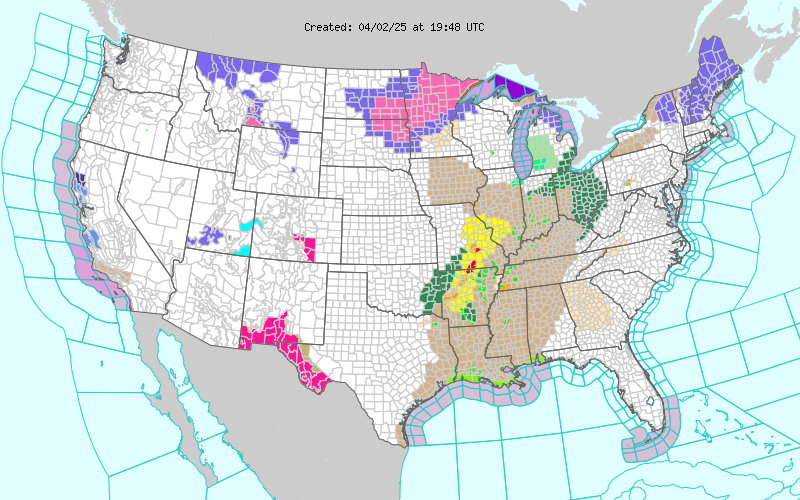
The image is a live image for the National Weather Service server. It gets updated on Real time.
Current Conditions: A Regional Snapshot
Today, December 7, 2025, the Western Zone is experiencing a clear delineation in its atmospheric behavior. We see a strong contrast between the dry, calm conditions dominating the southern half and the active, wet weather systems affecting the northern reaches.
Southwest Deserts: Sunshine and Mild Temperatures Reign
The desert Southwest is poised for another beautiful day, characterized by abundant sunshine and comfortable temperatures. Cities like Phoenix, AZ, will awaken to a cool 46°F before warming up significantly to a pleasant 64°F by the afternoon. Similarly, Mesa, AZ, will see morning lows around 46°F, soaring to a delightful 73°F. Further south, Tucson, AZ, mirrors this trend with a morning chill of 42°F giving way to a warm 70°F. Winds across these areas will be remarkably light, often near 0 mph, ensuring calm and clear conditions perfect for outdoor activities. Even Las Vegas, NV, joins this pattern, starting at 49°F and reaching a mild 55°F under sunny skies, with only a slight chance of becoming partly cloudy by evening and gentle 2 mph winds.
California Coasts & Valleys: Foggy Mornings Yield to Clear Skies
California presents a mixed bag, primarily influenced by coastal marine layers and inland valley fog. Along the immediate coast, cities like San Diego, CA, are set for a mostly sunny day, with morning temperatures around 56°F climbing to 58°F by evening, accompanied by very light winds. Los Angeles, CA, will experience a significant warm-up from a cool 51°F morning to a balmy 73°F afternoon, basking in clear skies and moderate 10 mph winds. Further north, San Francisco, CA, will start partly cloudy at 48°F, transitioning to mostly sunny and 56°F with winds picking up to 10 mph. San Jose, CA, follows a similar trajectory, moving from partly sunny at 43°F to mostly clear and 56°F. However, inland valleys will contend with fog. Sacramento, CA, begins with widespread fog and a cool 42°F, with conditions remaining mostly cloudy and only reaching 48°F by evening. Fresno, CA, will also see patchy fog persisting through the day, with temperatures hovering around 42°F in the morning and only reaching 45°F later, underscoring the stubborn nature of valley inversions.
Pacific Northwest: Embrace the Rain
The Pacific Northwest maintains its classic December character: wet and mild. Seattle, WA, will experience light rain, with temperatures ranging from 49°F in the morning to 51°F in the evening, accompanied by moderate winds up to 12 mph. In Portland, OR, rain is expected, starting at 50°F and reaching 52°F, with winds around 10 mph. Further south in Oregon, Eugene anticipates light rain likely throughout the day, with temperatures climbing from 49°F to 54°F and steady 7-8 mph winds. Residents in these areas should be prepared for continuous wet conditions and reduced visibility on roadways.
Intermountain West: Chilly Mornings, Mild Afternoons
The Intermountain West offers a blend of cold mornings and mild, clear afternoons. Salt Lake City, UT, will start quite cold at 33°F under mostly clear skies, warming to 45°F by afternoon with partly sunny conditions and light 5 mph winds. Reno, NV, will also see a chilly morning low of 35°F, rising to 47°F under partly sunny to mostly clear skies, with winds remaining calm at 0 mph. These conditions are typical for early winter in the high desert regions, where clear skies allow for significant diurnal temperature swings.
Looking Ahead: The Day's Forecast Details
The progression of weather throughout the day largely reinforces the morning's patterns. For the Southwest, the transition from cool morning air to warm afternoon sunshine will be seamless, offering ideal conditions. In California's central valleys, the morning fog will be slow to dissipate, maintaining cooler temperatures and potentially limiting sunshine, particularly in areas like Sacramento and Fresno where conditions remain mostly cloudy or foggy throughout the day. Coastal California will enjoy increasing sunshine as any early morning marine layer burns off. The Pacific Northwest, conversely, will continue to experience persistent rainfall, with temperatures remaining relatively stable but cool. Evening hours will bring a return to cooler temperatures across the board, with clear skies in the Southwest allowing for significant radiative cooling, while the Pacific Northwest will continue to be overcast and damp.
Understanding the Climate: A Look at Western Winter Weather
The diverse weather patterns observed today are deeply rooted in the unique climatology of the Western United States. December typically marks the onset of winter, but its manifestations vary dramatically by region.
- Southwest Deserts: Winters here are generally mild and dry, characterized by abundant sunshine. This is due to the subtropical high-pressure systems that often dominate the region, deflecting storm systems to the north. While cold fronts can occasionally bring a chill, prolonged periods of extreme cold or precipitation are rare. The significant diurnal temperature range (warm days, cool nights) is a hallmark of desert climates, especially under clear skies.
- California: December is usually part of California's wet season, crucial for replenishing reservoirs and building snowpack in the Sierra Nevada. However, today's forecast shows a relatively dry pattern for much of the state, particularly the southern and central coasts, which is not uncommon for individual days. The persistent fog in the Central Valley (like Sacramento and Fresno) is a classic winter phenomenon known as "Tule Fog." This dense ground fog forms when moisture-laden air cools rapidly under clear, calm conditions, often trapped by a temperature inversion. It can last for days or even weeks, significantly impacting visibility and air quality.
- Pacific Northwest: This region experiences a classic maritime winter, dominated by low-pressure systems and frontal activity originating from the Pacific Ocean. The Cascade Mountains play a crucial role, forcing moist air upwards, leading to frequent and often heavy rainfall west of the range. Today's light rain is typical, contributing to the lush, green landscapes the region is known for. Temperatures remain relatively mild due to the moderating influence of the ocean.
- Intermountain West: Regions like Salt Lake City and Reno are characterized by continental influences, leading to colder, drier winters than the Pacific coast. While significant snowfall is common in the surrounding mountains, valleys can experience clear, cold conditions, especially when high-pressure systems settle in. Temperature inversions can also occur here, trapping cold air and pollutants in valleys, though today's forecast suggests clearer conditions.
The interplay of these regional factors – the Pacific Ocean's influence, the towering mountain ranges, and the continental air masses – creates the dynamic and often contrasting weather we observe across the Western Zone.
Travel Advisories and Considerations
While no formal weather alerts are in effect for the Western Zone today, travelers should still exercise caution and plan accordingly based on regional conditions:
- Pacific Northwest (Seattle, Portland, Eugene): Wet roads will be prevalent due to persistent rain. Drivers should reduce speed, maintain extra following distance, and ensure their vehicle's tires and wipers are in good condition. Visibility may be reduced during heavier downpours.
- California Central Valley (Sacramento, Fresno): Dense fog will significantly reduce visibility, especially during morning and evening hours. If driving, use low-beam headlights, slow down, and be aware of your surroundings. Avoid using high beams as they can reflect off the fog and worsen visibility.
- Desert Southwest (Phoenix, Tucson, Mesa, Las Vegas): Conditions are largely favorable for travel. However, be mindful of the significant temperature swings from morning to afternoon. If traveling long distances, ensure your vehicle is in good working order and carry extra water, even in cooler temperatures, as dehydration can still be a risk in dry air.
- Intermountain West (Salt Lake City, Reno): Chilly morning temperatures could lead to icy patches on roads, especially in shaded areas or on bridges and overpasses. While today's forecast is clear, always be prepared for changing mountain weather if your travel takes you into higher elevations.
Always check local road conditions and weather updates before embarking on a journey.
Agricultural Impact and Water Resources
The weather patterns observed today have various implications for the agricultural sector and water resources across the West.
- Pacific Northwest: The continued rainfall is beneficial for soil moisture and winter crops. It contributes to the region's robust forestry and berry farming industries. However, excessive or prolonged rain can lead to waterlogged fields and fungal issues.
- California: The fog in the Central Valley provides some moisture to crops and can help moderate temperatures, reducing the need for irrigation. However, the overall dry pattern for much of the state, particularly if it persists, highlights ongoing concerns about water supply. California's agriculture relies heavily on winter precipitation, especially snowpack in the Sierra Nevada, which melts in spring and summer to feed the state's vast irrigation network. A dry December, even with fog, can be a precursor to a challenging water year if subsequent months don't bring significant storms. Farmers will be closely watching future forecasts for signs of atmospheric rivers, which are critical for replenishing reservoirs.
- Southwest Deserts: The dry, mild conditions are typical for this time of year and generally favorable for winter vegetable crops grown in Arizona and Southern California. However, the long-term drought conditions in the Colorado River Basin remain a significant concern, emphasizing the need for water conservation practices despite favorable daily weather.
- Intermountain West: Clear, cold conditions are suitable for dormant crops and livestock. While today's forecast doesn't indicate significant snow, winter snowpack in the Wasatch and Sierra Nevada mountains is vital for the region's spring and summer water supply, supporting agriculture and urban centers.
Weather is a constant partner to Western agriculture, and today's varied conditions underscore the delicate balance farmers must maintain.
Health and Safety: Preparing for Varied Conditions
With such diverse weather across the Western Zone, health and safety considerations are paramount:
- Layer Up: The significant temperature swings in the Southwest and Intermountain West necessitate dressing in layers. Mornings can be quite chilly, while afternoons become comfortably warm. This allows you to adjust your clothing as temperatures change throughout the day, preventing both chilling and overheating.
- Visibility in Fog: For those in California's Central Valley, reduced visibility due to fog is a primary concern. Be extra cautious when walking or cycling, wear reflective clothing, and ensure your vehicle's lights are functioning correctly.
- Wet Weather Preparedness: In the Pacific Northwest, rain gear (waterproof jackets, umbrellas, appropriate footwear) is essential. Be aware that wet surfaces can be slippery, increasing the risk of falls.
- Sun Protection: Even in December, the clear skies of the Southwest mean UV radiation can still be strong. If you'll be outdoors for extended periods, consider wearing sunscreen and sunglasses.
- Hydration: The dry air in the desert and intermountain regions can lead to dehydration, even when temperatures are mild. Keep water readily available, especially if engaging in physical activity.
- Home Safety: Ensure your heating systems are in good working order for the cooler mornings and evenings, particularly in the Intermountain West and parts of California. Check smoke detectors and carbon monoxide detectors.
Essential Preparedness Tips for Western Residents
Being prepared for the West's dynamic weather is an ongoing process. Here are some essential tips:
- Vehicle Readiness: Ensure your car's tires are properly inflated and have good tread, especially for wet roads in the PNW or potential icy patches in the Intermountain West. Check fluid levels, battery health, and wiper blades. Keep an emergency kit in your car with blankets, water, snacks, a first-aid kit, and jumper cables.
- Home Emergency Kit: Maintain a well-stocked emergency kit at home with at least three days' supply of water and non-perishable food, flashlights, extra batteries, a NOAA weather radio, and any necessary medications.
- Stay Informed: Download a reliable weather app on your smartphone and enable notifications for your local area. Pay attention to local news and official weather advisories, even when conditions seem mild, as situations can change rapidly.
- Outdoor Activity Planning: If you're planning outdoor recreation, always check the specific forecast for your destination. Mountain weather can be dramatically different from valley conditions. Inform someone of your itinerary, especially if venturing into remote areas.
- Water Conservation Mindset: Given the ongoing drought concerns in many parts of the West, continue to practice water conservation in your home and garden, regardless of the immediate forecast. Every drop saved contributes to the region's long-term water security.
By staying informed and prepared, residents of the Western US can confidently navigate the diverse weather conditions this December day brings.
This post is created using the public data provided by the National Weather Service. Please check the Original source for more information.

Comments
Post a Comment
Please leave a comment.