Western US Weather Forecast: Mild December Days, Foggy Mornings Ahead
Western US Weather Forecast: Mild December Days, Foggy Mornings Ahead
As we move deeper into December, the vast and varied landscapes of the Western United States are settling into a pattern of generally mild temperatures, punctuated by characteristic regional phenomena. From the sun-drenched deserts of Arizona to the misty coasts of the Pacific Northwest and the often-shrouded valleys of California, the coming days promise a blend of pleasant conditions and localized challenges. This detailed forecast will equip you with everything you need to know to navigate the week ahead, whether you're planning travel, managing agricultural operations, or simply going about your daily life across this diverse region.
While no severe weather alerts are currently in effect across the Western Zone, vigilance remains key. Understanding the subtle shifts in temperature, wind, and visibility can make a significant difference in your daily planning and overall safety. Let's dive into the specifics, offering a comprehensive look at what to expect.
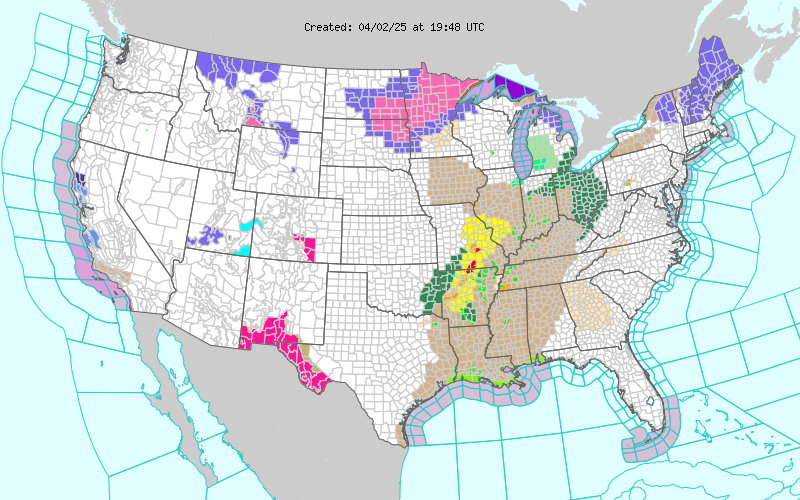
The image is a live image for the National Weather Service server. It gets updated on Real time.
A Snapshot of Current Conditions Across the West
The Western United States presents a fascinating tapestry of microclimates, and the current weather patterns perfectly illustrate this diversity. For many, December conjures images of crisp air and perhaps even snow, but for a significant portion of the West, particularly the lower elevations, the reality is often much milder. This week is no exception, with a broad sweep of comfortable conditions dominating the forecast.
- Southwest Deserts (Arizona, Southern Nevada): Cities like Phoenix, Mesa, Tucson, and Las Vegas are basking in quintessential desert winter weather. Expect mostly sunny to partly cloudy skies with daytime temperatures soaring into the 60s and even low 70s Fahrenheit. Nighttime lows will settle into the 50s and low 60s, offering pleasant evenings. Winds will remain light, making for ideal outdoor conditions.
- California Coasts and Valleys: A different story unfolds along the California coast and in its central valleys. San Francisco, San Jose, Sacramento, Fresno, Los Angeles, and San Diego are all contending with areas of patchy to dense fog. This marine layer intrusion is a common winter occurrence, particularly in the mornings and evenings. Daytime temperatures will hover in the 40s to 60s, with overnight lows dipping into the 40s. Visibility will be the primary concern here, impacting morning commutes.
- Pacific Northwest (Washington, Oregon): Further north, Seattle, Portland, and Eugene are experiencing more typical Pacific Northwest December weather. Mostly cloudy skies are the norm, with a chance of light rain in Seattle and Portland, and a slight chance in Eugene. Temperatures will be mild for the season, ranging from the mid-40s to low 50s. Winds will be light to moderate, generally around 2-8 mph.
- Intermountain West (Utah, Northern Nevada): Salt Lake City and Reno will see a mix of mostly clear to partly cloudy skies. These areas will experience cooler nights, with temperatures dropping into the high 30s. Daytime highs will reach the mid-40s to low 60s, offering pleasant conditions for those enjoying the mountain air. Winds will be minimal, contributing to generally calm weather.
Looking Ahead: Your Detailed Forecast for the Coming Days
The general trend of mild temperatures and localized weather phenomena is expected to persist over the next 24-48 hours. Here's a more granular look at what to expect in specific sub-regions:
Southwest Desert Oasis: Continued Warmth and Sunshine
The Southwestern deserts will remain the warmest part of the region. For Phoenix, AZ, expect partly cloudy skies transitioning to mostly sunny, with daytime highs reaching a delightful 70°F and overnight lows around 60°F. Winds will be light, around 0-5 mph. Similarly, Mesa, AZ, will see partly cloudy to mostly sunny conditions, with highs around 71°F and lows near 57°F. Tucson, AZ, will start with sunny conditions, hitting 78°F, then shift to mostly cloudy overnight with lows around 52°F. Even Las Vegas, NV, will enjoy partly cloudy skies becoming mostly sunny, with highs of 61°F and lows of 56°F, with gentle breezes of 2-3 mph. This pattern is excellent for outdoor activities but underscores the need for sun protection even in winter.
California's Coastal & Valley Fog: A Persistent Presence
Fog will continue to be a dominant feature across much of California. Los Angeles, CA, will experience patchy fog, with highs reaching 63°F and lows around 61°F, and virtually no wind. San Diego, CA, will see mostly cloudy skies giving way to patchy fog, with highs of 60°F and lows of 55°F. Further north, San Francisco, CA, and San Jose, CA, will both contend with patchy to areas of fog, with temperatures in the high 40s to low 50s. Visibility will be significantly reduced during morning and evening hours. Inland, Sacramento, CA, and Fresno, CA, will also be blanketed by patchy to areas of fog, with temperatures holding steady in the low 40s. Drivers in these areas must exercise extreme caution.
Pacific Northwest: Mild, Cloudy, and a Hint of Rain
The Pacific Northwest will maintain its characteristic December demeanor. Seattle, WA, will be mostly cloudy with a chance of light rain, experiencing temperatures around 50-51°F and winds up to 8 mph. Portland, OR, will mirror this, with mostly cloudy skies and a chance of light rain, temperatures around 48°F, and winds up to 5 mph. Eugene, OR, will start with areas of fog before transitioning to a slight chance of light rain, with temperatures in the mid-40s. While not heavy rain, these conditions warrant an umbrella and appropriate outerwear.
Intermountain West: Clear Skies and Crisp Air
The higher elevations and inland areas of the Intermountain West will enjoy clearer conditions. Salt Lake City, UT, will see mostly cloudy skies become mostly sunny, with highs of 45°F and lows of 39°F, and very light winds. Reno, NV, will be mostly clear transitioning to sunny, with highs reaching 45°F and lows around 39°F, and calm winds. These conditions are ideal for enjoying winter landscapes, though temperatures will be cooler than in the desert regions.
Historical Context: A Typical Western Winter?
The current weather pattern, characterized by mild temperatures and localized fog or light rain, is not entirely unusual for the Western U.S. in December, particularly in years influenced by certain climate oscillations. Historically, December can be highly variable across the West. Coastal California often experiences its "fog season" extending into winter, a crucial part of its unique climate. The Southwest deserts typically enjoy dry, sunny, and pleasantly warm winter days, a stark contrast to the summer's intense heat. The Pacific Northwest, on the other hand, expects its share of cloudy, damp days as frontal systems move in from the Pacific.
What is notable this season is the relative lack of significant precipitation, especially in the form of mountain snow. The snowpack in the Sierra Nevada and Rocky Mountains is a vital natural reservoir for the entire Western U.S., supplying water for agriculture, municipalities, and ecosystems throughout the dry spring and summer months. While early December isn't the peak of the snow season, a prolonged period of dry, mild weather can raise concerns for future water supplies. Understanding these historical patterns helps us appreciate the delicate balance of the region's water resources and the potential long-term implications of current weather trends.
Agricultural Implications: A Mixed Bag for Western Farmers
The forecasted weather presents both opportunities and challenges for the Western agricultural sector, which is a cornerstone of the region's economy. The mild temperatures in the Southwest are generally favorable for winter crops like citrus, dates, and various vegetables grown in Arizona and Southern California. The absence of freezing temperatures protects delicate produce and allows for continuous growth cycles, which is beneficial for harvest schedules.
However, the persistent fog in California's Central Valley, while vital for certain crops like almonds and pistachios that require a specific chilling period, can also pose issues. Dense fog reduces sunlight, potentially slowing the maturation of some winter vegetables and increasing the risk of fungal diseases due to prolonged moisture. More critically, the lack of substantial rainfall and mountain snowpack is a growing concern for water-intensive agriculture throughout California and Arizona. Farmers rely heavily on irrigation, and a dry winter could signal a challenging spring and summer with potential water restrictions. In the Pacific Northwest, the mild, damp conditions are generally conducive to winter wheat and other cool-season crops, but the lack of heavy rainfall means fields are not becoming oversaturated, which is a positive for soil health and access.
Travel Advisories and Regional Preparedness
Despite the generally mild conditions, specific regional weather patterns warrant attention for travelers and residents alike.
Driving Conditions:
- Fog in California: Drivers in coastal and valley areas of California (San Francisco, San Jose, Sacramento, Fresno, Los Angeles, San Diego) must be prepared for significantly reduced visibility, especially during early morning and late evening hours. Use low-beam headlights, maintain a safe following distance, and avoid sudden braking. Consider delaying non-essential travel during peak fog times.
- Wet Roads in Pacific Northwest: While only light rain is expected, wet roads can still be slick. Drivers in Seattle, Portland, and Eugene should reduce speed and ensure tires are in good condition.
- Desert Driving: Clear conditions in Arizona and Nevada are ideal for driving, but always be mindful of wildlife, especially at dawn and dusk. Carry extra water, even in winter, as desert environments can be deceptive.
Air Travel:
Foggy conditions in major California airports could lead to delays or cancellations. Travelers flying into or out of San Francisco, Los Angeles, or San Diego should check with their airlines for the latest flight status updates before heading to the airport.
Outdoor Activities:
- Southwest: The mild, sunny weather in Arizona and Southern Nevada is perfect for hiking, golf, and other outdoor pursuits. Remember to stay hydrated and apply sunscreen, as the desert sun can still be strong.
- California: While coastal areas are mild, the fog can dampen the experience for beachgoers or scenic drives. Inland, clear patches offer opportunities for local parks.
- Pacific Northwest: Mild temperatures make for pleasant walks or jogs, but always be prepared for a sudden shower with waterproof gear.
- Intermountain West: Clear skies in Salt Lake City and Reno are excellent for enjoying mountain views or local trails, but be aware that temperatures will be cooler, especially in shaded areas or at higher elevations.
Essential Preparedness Tips for Western Residents and Travelers
Even without major weather alerts, proactive preparedness is always a smart strategy. The Western U.S. offers a spectrum of environments, each requiring tailored readiness.
- Vehicle Preparedness: Regardless of your location, ensure your vehicle is ready. Check tire pressure, fluid levels, and windshield wipers. For foggy regions, verify your fog lights are operational and you know how to use them. An emergency kit with blankets, water, snacks, a first-aid kit, and a charged phone is crucial for any travel.
- Layered Clothing: The temperature swings across the West, from cool mornings to warm afternoons, necessitate layered clothing. This is particularly true in the deserts, where night temperatures can drop significantly, and in the mountains.
- Home Comfort: With mild temperatures, heating demands may be lower, but ensure your home's heating system is in good working order. Consider weather-stripping and insulation to maintain comfortable indoor temperatures efficiently.
- Water Conservation: Given the ongoing concerns about water resources in the West, continuing water conservation efforts at home and in businesses is always advisable, regardless of the immediate forecast.
- Stay Informed: While no alerts are currently active, weather can change. Always monitor local weather forecasts from reputable sources. Sign up for local emergency alerts if available in your area. This ensures you're immediately aware of any developing situations, from dense fog advisories to unexpected shifts in precipitation patterns.
In summary, the Western United States is poised for a generally mild and regionally diverse weather pattern over the next few days. While the desert southwest enjoys abundant sunshine and warmth, California grapples with its characteristic winter fog, and the Pacific Northwest experiences its usual mild, damp conditions. By understanding these nuances and taking appropriate preparedness measures, both residents and visitors can safely and comfortably enjoy all that this incredible region has to offer.
This post is created using the public data provided by the National Weather Service. Please check the Original source for more information.

Comments
Post a Comment
Please leave a comment.