Western US Weather Forecast: Rain, Fog & Sun Across Diverse Landscapes
Western US Weather Forecast: A Tapestry of December Conditions
As we head into December 7th, the Western United States presents a remarkably diverse weather tapestry, showcasing the region's vast geographical and climatic variations. From the persistent rains of the Pacific Northwest to the dense, lingering fog of California's central valleys, and the brilliant, clear skies over the desert Southwest, residents and travelers alike will experience a wide spectrum of atmospheric conditions. Understanding these regional nuances is key to navigating the day safely and efficiently, whether you're commuting, planning outdoor activities, or managing agricultural operations.
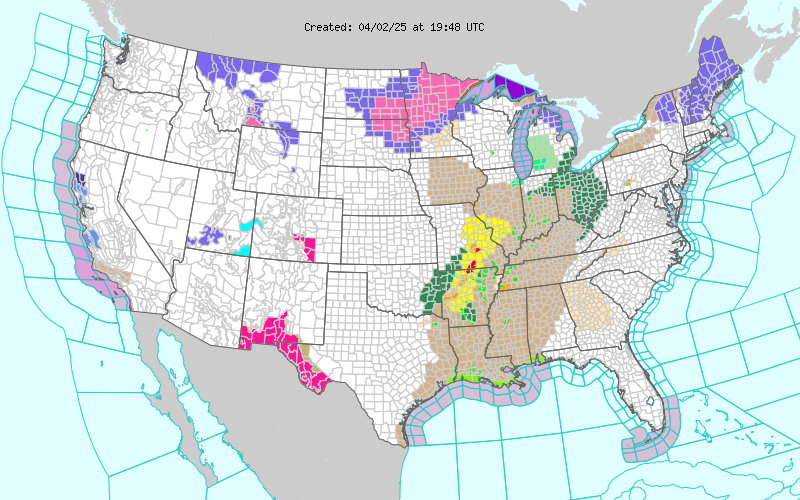
The image is a live image for the National Weather Service server. It gets updated on Real time.
Current Conditions Across the Western Zone: A Snapshot
The morning of December 7th reveals distinct weather patterns dominating different sub-regions of the West. The Pacific Northwest, encompassing cities like Seattle, Washington, and Portland and Eugene, Oregon, is under the influence of a persistent moist flow, bringing light rain and chances of rain throughout the day and into the evening. Temperatures here are mild for early December, hovering around the upper 40s to low 50s Fahrenheit.
Further south, California's central valleys, including Sacramento and Fresno, are experiencing classic winter conditions: widespread to patchy fog. This dense fog significantly reduces visibility, making morning commutes challenging. Temperatures in these areas are cooler, in the low to mid-40s. Meanwhile, coastal California cities such as San Francisco, San Jose, San Diego, and Los Angeles are enjoying a mix of partly sunny to mostly clear skies, with comfortable temperatures ranging from the mid-40s to upper 50s.
Moving inland to the desert Southwest, a stark contrast emerges. Phoenix and Mesa, Arizona, along with Tucson and Las Vegas, Nevada, are bathed in abundant sunshine, promising clear skies and pleasant temperatures in the low to upper 50s during the day, warming slightly into the evening. Reno, Nevada, nestled in the Sierra Nevada foothills, is seeing partly sunny conditions with colder temperatures starting in the mid-30s, warming to the mid-40s by nightfall.
A Closer Look: Regional Forecasts and Local Details
Let's delve deeper into what specific areas can expect throughout December 7th:
- Pacific Northwest (Seattle, Portland, Eugene): Expect a damp day. Seattle will see light rain with daytime highs near 49°F and winds around 9 mph, transitioning to a chance of light rain and 51°F with 12 mph winds by night. Portland is forecast for rain, 50°F and 10 mph winds during the day, easing to a chance of light rain, 52°F and 6 mph winds at night. Eugene anticipates light rain likely, 49°F and 8 mph winds, continuing into the evening with 54°F and 7 mph winds. Drivers should be prepared for slick roads and reduced visibility.
- California Valleys (Sacramento, Fresno): Fog will be the defining feature. Sacramento starts with widespread fog, 43°F and light winds, becoming partly cloudy at night with 46°F. Fresno will experience patchy fog throughout the day and night, with temperatures around 42°F during the day and 45°F at night, and calm winds. Visibility can drop to near zero in these areas, requiring extreme caution.
- Coastal California (San Francisco, San Jose, San Diego, Los Angeles): Generally pleasant. San Francisco will be partly sunny, 48°F, 6 mph winds, clearing to mostly clear, 52°F, 3 mph winds by night. San Jose sees partly sunny conditions, 44°F, 3 mph winds, becoming clear at 49°F with 2 mph winds. Los Angeles enjoys sunny skies, 54°F, 5 mph winds, turning mostly clear at 57°F with similar winds. San Diego is the warmest coastal spot, sunny with 56°F and calm winds, becoming partly cloudy at 58°F with 5 mph winds.
- Desert Southwest (Phoenix, Mesa, Tucson, Las Vegas): Sunny and mild. Phoenix and Mesa both forecast sunny conditions, 52°F with calm winds, transitioning to clear skies and temperatures around 55-58°F at night. Tucson will also be sunny, 51°F, 3 mph winds, becoming clear at 54°F with similar winds. Las Vegas will be sunny, 49°F, 2 mph winds, turning partly cloudy at 55°F with 2 mph winds. Excellent conditions for outdoor activities, but remember desert nights can cool quickly.
- Nevada Interior (Reno): Cooler and clear. Reno will be partly sunny, 36°F with calm winds, transitioning to mostly clear skies and a warmer 45°F at night, still with calm winds. Frost and freezing temperatures are likely overnight.
Weather Advisories and Alerts: A Calm Before Potential Activity
For December 7th, the good news across the Western Zone is a notable absence of severe weather alerts or advisories. This means no active warnings for high winds, heavy rainfall, or significant winter storms in the populated areas covered by this forecast. However, the presence of widespread and patchy fog in California's Central Valley is a natural phenomenon that often warrants a Dense Fog Advisory from the National Weather Service, even if one isn't currently active for the specific points in our data. Such advisories are crucial for alerting drivers to dangerously low visibility, which can reduce sight to a quarter-mile or less.
While today is calm, it's important to remember that winter in the West can be dynamic. The region is prone to powerful atmospheric rivers bringing heavy rain and mountain snow, as well as strong winds that can impact coastal and valley areas. Always check local forecasts and NWS advisories before traveling, especially if your plans take you into higher elevations where snow and ice conditions can change rapidly, or during periods of prolonged rainfall where flood watches may be issued.
Travel Impact and Considerations for December 7th
Travelers across the Western US will need to adjust their plans based on the varied weather conditions. In the Pacific Northwest, wet roads will be a primary concern. Drivers should reduce speed, increase following distances, and ensure their headlights are on, even during daylight hours, to enhance visibility for themselves and others. Hydroplaning is a real risk on saturated roadways.
California's Central Valley presents the most significant travel challenge due to fog. Motorists in Sacramento, Fresno, and surrounding areas must exercise extreme caution. Turn on your low-beam headlights (not high beams, which reflect off the fog and worsen visibility), use fog lights if available, and significantly reduce your speed. Avoid sudden stops and be prepared for rapidly changing visibility. This "Tule Fog," common in winter, can be incredibly dense and persistent, often lasting for hours after sunrise.
For those traveling through the desert Southwest, conditions are ideal. Sunny skies and mild temperatures mean clear roads and excellent visibility. However, even in clear weather, long stretches of desert highway require preparation: ensure your vehicle is in good condition, carry ample water, and inform someone of your travel route. While not directly impacted by today's forecast, remember that mountain passes throughout the Western states, even those adjacent to sunny valleys, can experience very different conditions, including snow and ice, so always check specific mountain pass forecasts if your route includes them.
Air travel generally benefits from clear conditions, but dense fog in areas like the Central Valley could lead to delays or diversions at regional airports. Travelers flying into or out of Seattle or Portland might experience minor delays due to the rainy weather, though significant disruptions are less likely with light rain.
Agricultural Outlook and Water Resources
The weather patterns observed today have direct implications for the agricultural sector and the region's vital water resources. In the Pacific Northwest, the ongoing light rain is generally beneficial. It replenishes soil moisture, supports winter wheat and other cool-season crops, and contributes to the region's robust water supply in reservoirs, which are crucial for hydropower and irrigation in drier months. Farmers in these areas will be monitoring field conditions for optimal planting and maintenance activities, balancing moisture levels with accessibility.
California's Central Valley, a global agricultural powerhouse, faces a mixed bag with the widespread fog. While the fog provides some moisture, it can also create conditions conducive to certain plant diseases, particularly fungal issues, due to prolonged leaf wetness. The reduced sunlight penetration can also slow crop growth. Furthermore, dense fog impacts daily farm operations, limiting visibility for equipment operators and potentially delaying harvest or planting schedules for various crops, from citrus to winter vegetables. The moisture from fog, however, can be a small but welcome contribution to the state's overall water budget, especially during dry periods.
For the desert Southwest, the sunny and dry conditions are typical for this time of year but underscore the region's perennial reliance on irrigation. While today's forecast is pleasant, the long-term outlook for water resources in Arizona and Nevada remains a critical concern, with ongoing drought conditions and declining reservoir levels in major systems like the Colorado River. Farmers in these areas continue to manage water carefully, utilizing advanced irrigation techniques to maximize efficiency.
Preparing for the Week Ahead: Safety and Comfort Tips
As the Western Zone continues its varied December weather, proactive preparation is essential for safety and comfort:
- Vehicle Maintenance: Ensure your windshield wipers are in good condition, your tires have adequate tread and are properly inflated for wet and potentially slick roads, and your headlights and fog lights are functioning correctly.
- Driving in Fog: If you must drive in foggy conditions, slow down, use low-beam headlights and fog lights, and maintain a greater distance from the vehicle ahead. Avoid distractions and be prepared to pull over safely if visibility becomes too low.
- Layered Clothing: With significant temperature swings from day to night, especially in the desert and mountain regions, dress in layers. This allows you to adapt to changing conditions and stay comfortable.
- Emergency Kit: Always keep an emergency kit in your vehicle, especially when traveling long distances. This should include water, non-perishable food, blankets, a first-aid kit, a flashlight, and a fully charged cell phone.
- Stay Informed: Regularly check the latest local weather forecasts from reliable sources. Conditions can change, and staying updated ensures you're aware of any new advisories or warnings.
Historical Context: Winter Weather in the West
The diverse weather patterns observed today are a hallmark of winter in the Western United States. Historically, December often marks the beginning of the crucial wet season for much of California and the Pacific Northwest, with precipitation driven by Pacific storm systems, sometimes manifesting as powerful "atmospheric rivers." These events are vital for replenishing the snowpack in the Sierra Nevada and Cascade mountain ranges, which serves as a natural water reservoir, slowly melting in spring and summer to supply rivers and reservoirs.
While this particular forecast shows moderate rain in the Northwest and dry conditions in the Southwest, the long-term trend in the West has been one of increasing variability, with more intense dry spells interspersed with powerful wet events. The persistent drought in the Southwest highlights the fragility of water resources in a changing climate. The "Tule Fog" of California's Central Valley is a classic winter phenomenon, forming when cold, dense air settles in the valley under clear skies, trapping moisture near the ground. Understanding these historical patterns helps us appreciate the significance of each day's weather in the broader context of the region's climate and its critical impact on agriculture, ecosystems, and human populations.
Stay safe and well-prepared as you navigate the beautiful and diverse landscapes of the Western United States this December 7th. We'll continue to monitor conditions and bring you the latest updates.
This post is created using the public data provided by the National Weather Service. Please check the Original source for more information.

Comments
Post a Comment
Please leave a comment.