Western US Weather Forecast: Rain, Fog, & Sunshine Across the Region
Western US Weather Forecast: Navigating Rain, Fog, and Sunshine Across the Region
As we move into early December 2025, the Western United States presents a diverse tapestry of weather conditions, reflecting its vast and varied geography. From the damp, temperate rainforests of the Pacific Northwest to the arid, sun-drenched deserts of Arizona and Nevada, and the coastal influences of California, residents and travelers alike will experience a wide spectrum of atmospheric phenomena over the next 24 hours. Our detailed forecast for December 8th and 9th outlines what to expect, offering crucial insights for planning your week and ensuring your safety. Understanding these regional distinctions is paramount for anyone living in or visiting this dynamic part of the country, as local conditions can vary dramatically even within short distances.
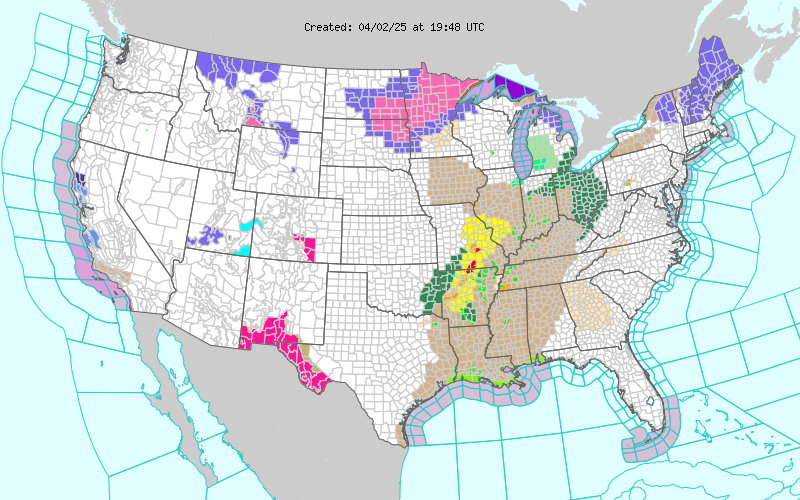
The image is a live image for the National Weather Service server. It gets updated on Real time.
Current Conditions & Overnight Outlook: December 8th
Tonight, December 8th, the Western Zone is largely free of severe weather alerts, indicating a relatively calm but regionally distinct pattern. This absence of critical warnings does not, however, mean a uniform experience across the expansive territory. The Pacific Northwest, encompassing cities like Seattle, Washington, and Portland, Oregon, is bracing for a wet night, a typical winter scenario for this region. Seattle expects rain with temperatures around 56°F and winds reaching a noticeable 15 mph, which can make for a brisk evening. Portland anticipates "Rain Likely" with similar temperatures of 55°F but stronger winds up to 18 mph, suggesting a blustery and damp night. Further south in Oregon, Eugene also sees a "Chance Light Rain" with temperatures at 55°F and 12 mph winds, reinforcing the widespread wet conditions across the upper left. These conditions underscore the importance of waterproof gear and careful driving for anyone out and about.
California's weather is, as often is the case, a mixed bag of microclimates. Coastal areas like Los Angeles are enjoying remarkably clear skies and a warm 67°F with 10 mph winds, a strikingly mild evening for December that many will appreciate for evening strolls or outdoor dining. San Diego mirrors this pleasant forecast with 59°F and mostly clear conditions, indicative of a strong high-pressure system dominating Southern California. However, central California is grappling with low visibility; San Jose reports "Patchy Fog" at 49°F, and Sacramento is under a "Haze" at 42°F, both with very light winds. This Tule Fog phenomenon is a significant concern for drivers. Fresno also notes "Partly Cloudy" conditions at 43°F with no wind, hinting at similar stagnant air patterns. The Bay Area, including San Francisco, benefits from its unique geography, reporting mostly clear conditions at 48°F with light winds, providing a crisp, cool night.
Moving inland, the Desert Southwest remains clear and mild, offering a stark contrast to the Pacific coast. Phoenix, Arizona, the zone's primary city, is clear at 58°F with 5 mph winds, promising a comfortable night. Neighboring Mesa is also clear at 55°F, maintaining the pleasant desert evening. Tucson, Arizona, reports clear skies at 53°F, perfect for stargazing. In Nevada, Las Vegas is clear at 56°F, an ideal evening for visitors enjoying the city's attractions. Reno, located in the high desert, is partly cloudy at 45°F with no wind, suggesting a calm, cool night. The Intermountain West, represented by Salt Lake City, Utah, is cooler but clear at 40°F with light winds, signaling a cold, crisp start to winter.
Looking Ahead: Tuesday Morning's Forecast, December 9th
As Tuesday, December 9th, dawns, the general weather patterns are expected to persist, though with some temperature adjustments and slight shifts in precipitation. The Pacific Northwest will continue its rainy trend, a familiar sight for residents. Seattle will see a "Chance Light Rain" with cooler temperatures dropping to 47°F and lighter 6 mph winds, indicating a lingering frontal system. Portland is forecast for continued "Rain" at 51°F with 7 mph winds, and Eugene also anticipates "Rain" at 53°F with 10 mph winds. Residents in these areas should prepare for consistently wet commutes and damp conditions throughout the morning, requiring appropriate rain gear and careful navigation on slick surfaces. The consistent moisture is crucial for the region's ecosystems but demands vigilance from its inhabitants.
California's morning will see a continuation of its diverse forecast, highlighting the state's varied geography. Southern California remains sunny and pleasant, solidifying its reputation for mild winters; Los Angeles will be sunny at 60°F, and San Diego will also be sunny at 59°F, creating perfect conditions for morning activities. The central valleys, however, will continue to experience reduced visibility: San Jose expects "Areas Of Fog" at 45°F, and Sacramento will still be under "Haze" at 41°F, both with minimal wind. This persistent fog and haze can significantly impact morning commutes and agricultural operations, often lifting slowly as the sun gains strength. Fresno will be "Mostly Cloudy" at 43°F, suggesting a similar struggle with low-lying atmospheric moisture. The Bay Area, including San Francisco, will be "Mostly Sunny" at 47°F with light winds, offering a clearer, brighter start than its valley counterparts.
The Desert Southwest will greet Tuesday morning with abundant sunshine, a welcome sight for those seeking warmth. Phoenix will be sunny at 54°F with no wind, while Mesa will also be sunny at 55°F, promising a comfortable and bright day. Tucson anticipates a sunny morning at 53°F, ideal for enjoying the desert landscape. Las Vegas will be sunny at 50°F, ensuring clear skies for early risers. In the Intermountain West, Reno will turn sunny at a colder 39°F, and Salt Lake City will be "Partly Sunny" at 41°F, both with light winds. This region will experience crisp, clear winter mornings, emphasizing the need for warm clothing due to the cooler temperatures, especially at higher elevations.
Regional Breakdown: What to Expect and Why
Understanding the specific nuances of each sub-region within the vast Western Zone is key to navigating its diverse weather. The presence of significant geographical features like the Pacific Ocean, major mountain ranges (Cascades, Sierra Nevada, Rockies), and expansive deserts creates distinct microclimates, each with its own characteristic weather patterns during early winter.
Pacific Northwest: Rain and Cooler Temperatures
The Pacific Northwest, encompassing cities like Seattle, Portland, and Eugene, is experiencing typical early December weather. The persistent rain is a hallmark of this region's winter climate, driven by a series of Pacific weather systems. These systems bring moisture-laden air inland, which then rises over the coastal mountain ranges, leading to widespread precipitation. While the temperatures are cool, ranging from the high 40s to mid-50s, they are generally above freezing at lower elevations, meaning rain rather than snow for most urban areas. The winds, while not severe, are noticeable, especially in Portland, which can contribute to a raw, damp feeling. This consistent rainfall is vital for the region's hydroelectric power generation and replenishes reservoirs, but it also necessitates daily preparedness for wet conditions. Historically, these winter rains are crucial for the PNW's temperate rainforest ecosystems and agricultural sectors, particularly berry farming and timber, ensuring healthy growth cycles for the coming spring.
- Travel Advisory: Expect wet roads, reduced visibility, and potential for hydroplaning. Allow extra travel time, especially during commutes. Ensure your vehicle's tires have adequate tread.
- Outdoor Activities: Dress in waterproof layers. Trails can be muddy and slippery. Consider indoor alternatives or embrace the rain with appropriate gear.
- Agricultural Impact: The rain is beneficial for replenishing soil moisture and supporting winter crops, but excessive rainfall can lead to localized flooding or erosion.
California: A Mosaic of Fog, Haze, and Sunshine
California, a state of immense climatic variety, presents a striking contrast. Southern California, from Los Angeles to San Diego, enjoys classic clear, mild winter days. These conditions are influenced by high-pressure systems that often settle over the region in winter, pushing storm tracks north and creating stable, sunny weather. The relatively warm temperatures, especially in Los Angeles reaching 67°F tonight, are a testament to this influence. This weather is ideal for tourism and outdoor recreation, offering a pleasant escape from colder parts of the country. Many visitors flock to the beaches and outdoor attractions during these mild winter spells.
However, Central California's valleys, including San Jose, Sacramento, and Fresno, are experiencing "Patchy Fog" and "Haze." This phenomenon, often referred to as "Tule Fog," is common during winter months. It forms when moist air in the valley cools rapidly overnight under clear skies and light winds, condensing into dense ground fog. This fog can persist for hours or even days, significantly reducing visibility. The "Haze" reported in Sacramento could be a combination of fog and stagnant air trapping pollutants, a common issue in valleys during inversions, leading to concerns about air quality. The Bay Area, including San Francisco, benefits from its coastal proximity and hills, leading to mostly clear or sunny conditions, though cool, offering a refreshing maritime influence.
- Travel Advisory: Drivers in the Central Valley must exercise extreme caution due to dense fog. Use low-beam headlights, maintain extra distance, and avoid sudden braking. Fog can appear suddenly and reduce visibility to near zero, making travel extremely hazardous.
- Agricultural Impact: Persistent fog and haze can affect crop growth, delay harvesting, and increase the risk of certain plant diseases due to prolonged moisture. However, the moisture can also be beneficial for some winter crops like citrus, protecting them from frost.
- Air Quality: Stagnant air associated with fog and haze can trap pollutants, potentially leading to poor air quality, especially for sensitive groups such as children, the elderly, and individuals with respiratory conditions.
Desert Southwest: Clear Skies and Mild Winter Comfort
The Desert Southwest, encompassing Phoenix, Mesa, Tucson, and Las Vegas, is experiencing quintessential mild winter weather. Clear skies, abundant sunshine, and comfortable temperatures in the 50s and 60s make for pleasant conditions. This is largely due to the region's arid climate and the influence of high-pressure systems that dominate during winter, deflecting storm tracks northward. While nights can be cool, days are generally sunny, providing a welcome respite from colder climates elsewhere. The lack of significant wind further enhances the comfortable feel, making it an ideal time for outdoor activities without the intense summer heat. This period is often peak tourist season for those escaping harsh winters.
- Outdoor Activities: Excellent conditions for hiking, golfing, cycling, and other outdoor pursuits. Remember to stay hydrated even in cooler temperatures, as the desert air can still be very dry.
- Energy Considerations: Abundant sunshine is ideal for solar energy generation, a significant and growing resource in this region. Clear skies maximize efficiency for solar panels, contributing to sustainable energy grids.
- Water Conservation: Despite clear skies, water conservation remains a critical long-term concern for this arid region. Every drop of precipitation, even if rare, is valuable for replenishing groundwater and surface reservoirs.
Intermountain West: Crisp, Cool, and Mostly Clear
Cities like Salt Lake City, Utah, and Reno, Nevada, in the Intermountain West, are experiencing colder but generally clear or partly sunny conditions. Temperatures range from the high 30s to low 40s. This region is influenced by its higher elevation and continental climate, leading to colder winter temperatures compared to coastal areas. The mostly clear skies indicate that major storm systems are currently bypassing this area, though winter snow is always a possibility in the surrounding mountains, which are vital for the region's water supply. Light winds contribute to a crisp, cold feel, making warm layering essential for outdoor activities.
- Winter Preparation: Residents should be prepared for freezing temperatures, especially overnight. Check on heating systems, insulate pipes, and ensure proper winterization of homes and vehicles.
- Mountain Travel: While valley floors are clear, mountain passes can quickly become treacherous with snow and ice. Always check road conditions and carry emergency supplies before traveling into higher elevations, as conditions can change rapidly.
- Water Resources: Snowpack in the surrounding mountains is crucial for the region's water supply, making early winter conditions an important indicator for the coming year's water availability.
Preparedness Tips for Diverse Western Weather
Given the varied conditions across the Western Zone, preparedness looks different depending on your location. However, some general principles apply, emphasizing proactive measures to ensure safety and comfort during this transitional period into winter. Being prepared means understanding your local environment and anticipating potential changes.
- Stay Informed: Always check local forecasts from reliable sources before heading out, especially if traveling between different climate zones within the West. Weather conditions can change rapidly, particularly when crossing mountain ranges or moving from coast to inland.
- Layer Your Clothing: Even in sunny areas, temperatures can drop significantly overnight and in the early morning. Layers allow you to adapt to changing conditions throughout the day, providing flexibility from cool mornings to warmer afternoons and chilly evenings.
- Vehicle Readiness: Ensure your car's tires are properly inflated and have good tread, fluid levels (especially windshield wiper fluid) are adequate, and wipers are in good condition. Keep an emergency kit with blankets, water, non-perishable snacks, a first-aid kit, and a fully charged phone, especially if traveling long distances or through potentially remote areas.
- Home Safety: Check smoke detectors and carbon monoxide detectors, replacing batteries as needed. If using alternative heating sources like fireplaces or space heaters, ensure proper ventilation and follow safety guidelines to prevent fires or carbon monoxide poisoning.
- Driving in Fog: If you encounter fog, slow down immediately, use low-beam headlights (never high beams, as they reflect off the fog and worsen visibility), and increase following distance. Avoid sudden braking or lane changes. If visibility becomes too poor, pull over safely and wait for conditions to improve.
- Driving in Rain: Reduce speed, turn on headlights, and maintain a safe distance from other vehicles. Be aware of potential hydroplaning, where tires lose contact with the wet road surface. Avoid driving through standing water if you cannot determine its depth.
- Hydration: Even in cooler temperatures, the dry air of the desert regions can lead to dehydration. Carry water, especially if engaging in outdoor activities.
While no severe weather alerts are currently in effect, remaining vigilant and prepared for typical winter conditions in your specific area is always the best approach. The Western United States offers breathtaking landscapes and diverse experiences, and being weather-aware ensures you can enjoy them safely and responsibly. This comprehensive outlook for the Western Zone highlights the dynamic nature of weather across this expansive region. From the wet Pacific Northwest to the foggy valleys of California and the clear deserts, understanding these patterns is essential for daily life and travel. Stay safe, stay warm, and enjoy the unique beauty of the American West.
This post is created using the public data provided by the National Weather Service. Please check the Original source for more information.

Comments
Post a Comment
Please leave a comment.