Western US Weather Forecast: Sunny South, Rainy Northwest Ahead
Western US Weather Forecast: A Tale of Two Climates Unfolds
The vast and diverse Western United States is poised to experience a classic split in weather patterns over the coming days, offering a vivid contrast between sun-drenched desert warmth and the persistent, refreshing rains of the Pacific Northwest. From the bustling metropolises of California to the serene landscapes of the Intermountain West, residents and travelers alike will encounter a mosaic of conditions, each demanding its own set of considerations. This comprehensive forecast delves into the specifics, offering insights into what to expect and how to navigate the region's dynamic atmospheric dance.
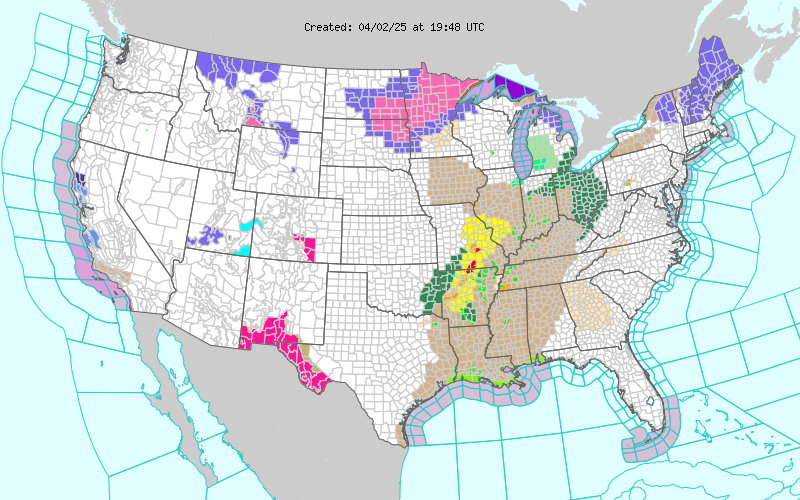
The image is a live image for the National Weather Service server. It gets updated on Real time.
Current Conditions: A Snapshot Across the West
As we survey the current atmospheric landscape across the Western Zone, a clear division emerges. The Southwest is basking in glorious sunshine and unseasonably warm temperatures, while the Pacific Northwest is embracing its characteristic wet season. In the heart of Arizona, cities like Phoenix, Mesa, and Tucson are reporting clear, sunny skies with temperatures comfortably in the 70s Fahrenheit, making for ideal outdoor conditions. Light breezes, if any, are contributing to the pleasant atmosphere, with Phoenix and Mesa specifically noting zero wind speeds, creating a truly tranquil environment.
California's major urban centers are also enjoying a predominantly sunny outlook. Los Angeles is leading the pack with a balmy 82°F under sunny skies, while San Diego is close behind at 77°F. Further north, San Jose and San Francisco are experiencing sunny conditions at 61°F and 53°F respectively, with gentle winds. Even inland, Reno, NV, is enjoying a bright 62°F with no wind, and Las Vegas, NV, is sunny at 67°F.
However, the picture shifts dramatically as we move northward. The Pacific Northwest is already feeling the influence of incoming weather systems. Seattle, WA, and Portland, OR, are both reporting temperatures in the low 50s with a chance of light rain, accompanied by moderate breezes. Further south in Oregon, Eugene is experiencing more significant rain with temperatures around 57°F and winds at 10 mph. The Intermountain West shows a mix, with Salt Lake City, UT, under mostly cloudy skies at 53°F. California's Central Valley, including Sacramento and Fresno, is seeing partly sunny to mostly cloudy conditions, with cooler temperatures in the 40s and very light winds, hinting at potential haziness or fog later.
Looking Ahead: The Next 24 Hours Across the Western Zone
The coming 24 hours will largely reinforce the existing weather patterns, though with the expected diurnal temperature swings. Overnight, temperatures will dip considerably across the entire region, particularly in the desert and high desert areas where clear skies allow for efficient radiative cooling.
In the Southwest, cities like Phoenix, Mesa, and Tucson will transition from sunny days to clear nights. Overnight lows will settle into the low 50s and mid-40s, respectively, maintaining light to calm winds. This ensures excellent stargazing opportunities and comfortable sleeping weather, a stark contrast to the intense heat often associated with these areas during other seasons. Las Vegas and Reno will also see clear skies overnight, with temperatures falling to 51°F and 41°F, respectively, making for crisp, cool mornings.
Along the California Coast, the sunny conditions will give way to mostly clear skies overnight. Los Angeles will see lows around 57°F, San Diego 55°F, San Jose 45°F, and San Francisco 49°F. Winds will remain light, ensuring a peaceful night. Inland California, specifically Fresno and Sacramento, will remain mostly cloudy to hazy overnight, with lows in the low 40s. Travelers through these areas should be mindful of potential reduced visibility due to haze or fog forming in the cooler, moister air.
The Pacific Northwest will continue its wet trend. Seattle and Portland are both expecting light rain or a chance of light rain to persist through the overnight hours, with temperatures rising slightly into the mid-50s. Winds will pick up in Seattle to 18 mph and remain moderate in Portland at 14 mph, indicating the continued influence of a frontal system. Eugene will also continue to see light rain likely, with temperatures holding steady around 57°F and winds moderating slightly to 7 mph. Residents in these areas should keep rain gear handy and be prepared for wet driving conditions.
The Intermountain West, represented by Salt Lake City, will experience mostly cloudy conditions overnight, with temperatures dropping to 44°F and light winds. No significant precipitation is expected, but the persistent cloud cover will prevent temperatures from plummeting as drastically as in the clear-sky desert regions.
Regional Climate Context: A Look Back at Western Weather Patterns
The current weather patterns across the Western US are quite typical for this time of year, showcasing the region's incredible climatic diversity. The Southwest, encompassing Arizona and parts of Southern California and Nevada, traditionally experiences dry, mild winters characterized by abundant sunshine and comfortable daytime temperatures, often followed by cool, clear nights. This is largely due to the influence of high-pressure systems that tend to dominate the region during the cooler months, diverting storm tracks further north.
Historically, the Pacific Northwest, including Oregon and Washington, is renowned for its wet, mild winters. This region is directly in the path of moisture-laden storm systems originating from the Pacific Ocean. These "atmospheric rivers" are crucial for replenishing snowpack in the Cascade Mountains and filling reservoirs, which are vital for summer water supplies and hydroelectric power. The current forecast of rain, while perhaps dampening spirits for some, is a fundamental and healthy part of the region's ecological and hydrological cycle.
California presents a fascinating transition zone. Its southern and central parts often mirror the Southwest's dry conditions, while its northern reaches and mountainous areas receive significant rainfall and snowfall, particularly from the same Pacific systems that affect the Northwest. The Central Valley, where cities like Sacramento and Fresno are located, is particularly prone to winter fog (Tule fog) when cold, moist air gets trapped under inversions, leading to reduced visibility and air quality concerns, as hinted by the "Haze" forecast for Sacramento.
The Intermountain West, with cities like Salt Lake City, experiences a continental climate influenced by both Pacific moisture and high desert conditions. Winters here can be cold and snowy, but periods of milder, cloudier weather, as currently forecast, are also common, often signaling the approach or lingering effects of Pacific weather systems that have shed much of their moisture over coastal mountain ranges.
Understanding these historical patterns helps contextualize the current forecast. The absence of widespread severe weather alerts, despite the diverse conditions, underscores the relatively stable nature of these typical winter patterns across the region. However, vigilance remains key, as localized variations can always occur.
Agricultural Impact: Weather's Role in Western Farming
The current weather conditions across the Western Zone have significant implications for the region's diverse agricultural sector. In the sunny and warm Southwest (Arizona, Southern California), the mild temperatures are highly beneficial for winter vegetable production, citrus groves, and date palms. Crops like lettuce, broccoli, and various greens thrive in these conditions, allowing for a continuous supply to markets across the nation. The lack of frost warnings is particularly welcome, as it reduces the risk of damage to sensitive crops. Minimal winds also help prevent soil erosion and stress on young plants.
California's Central Valley, a powerhouse of agricultural production, is experiencing cooler, partly cloudy to hazy conditions. While not ideal for rapid growth, these temperatures are generally favorable for dormant fruit and nut trees, allowing them to accumulate necessary chill hours for robust spring blossoming. The reported haze, if it develops into fog, could impact air quality and potentially delay field work, but for now, the conditions are manageable. Farmers in this region are often keenly watching for significant rain events to replenish groundwater and surface water supplies, which are critical for irrigation in the drier months. The current forecast does not bring substantial rain to these areas, highlighting ongoing water management considerations.
In the Pacific Northwest, the consistent rain in Oregon and Washington is a boon for the region's timber industry, berry farms (even in dormancy), and pasturelands. This precipitation is essential for maintaining healthy forest ecosystems and recharging aquifers. While too much rain can lead to localized flooding or fungal issues, the current forecast for light to moderate rain is generally positive, contributing to the region's abundant water resources. Farmers here are well-equipped to handle wet conditions, utilizing drainage systems and hardy crop varieties.
For the Intermountain West, the mostly cloudy and cool conditions are typical for winter. This weather supports livestock operations and helps maintain soil moisture for future planting seasons. While not a primary crop-growing region in the same vein as California or Arizona, the stability of these conditions is important for the overall agricultural health of the area.
Travel Advisories and Considerations
Given the diverse weather conditions across the Western US, travelers should plan accordingly, even in the absence of formal weather advisories. For those heading to or through the Southwest (Arizona, Southern California, Nevada), the primary advice is to enjoy the beautiful weather. However, remember that desert temperatures can drop sharply after sunset, so layering is always a good idea. Sun protection remains crucial during the day, even in winter.
Travelers in the Pacific Northwest (Oregon, Washington) should be prepared for wet roads and reduced visibility due to rain. Ensure your vehicle's tires are in good condition, and headlights are on during daytime rain. Allow extra stopping distance and maintain a safe following distance. While strong winds are forecast for Seattle, they are not currently at warning levels, but smaller vehicles or those towing may still feel their effects. Check local road conditions before departing, especially if traveling through mountainous passes, where rain can turn to snow at higher elevations.
In California's Central Valley, the forecast for haze in Sacramento and mostly cloudy conditions in Fresno suggests a potential for reduced visibility, particularly during early morning and late evening hours. Drivers should be vigilant for fog patches that can form quickly and significantly impair visibility. Use low-beam headlights in foggy conditions and avoid high beams, which can reflect off the fog and worsen visibility.
Across the entire Western Zone, long-distance travelers should be mindful of the significant temperature swings between day and night, and between different geographical sub-regions. Packing versatile clothing that can be layered is the most practical approach. Always keep an emergency kit in your vehicle, including blankets, water, snacks, and a fully charged cell phone.
Health and Lifestyle Implications
The prevailing weather patterns will undoubtedly influence daily life and health across the Western US. In the sunny Southwest, the pleasant temperatures are perfect for outdoor activities such as hiking, cycling, and enjoying patios. This can have a positive impact on mental well-being, offering a respite from colder, darker winters elsewhere. However, even with cooler temperatures, UV radiation can still be strong, so continued use of sunscreen, hats, and sunglasses is advisable to protect skin and eyes.
For residents of the Pacific Northwest, the consistent rain encourages indoor activities, visits to museums, coffee shops, or cozy evenings at home. Those who embrace the outdoors in all weather will find excellent opportunities for hiking or trail running with proper rain gear. The rain also contributes to the lush, green landscapes the region is known for, which can be visually uplifting. It's important to stay dry and warm to prevent colds or other respiratory issues associated with damp conditions.
In areas experiencing haze or persistent cloudiness, such as parts of the Central Valley, air quality can be a concern, especially for individuals with respiratory conditions. Limiting strenuous outdoor activity during peak haze periods and monitoring local air quality reports can help mitigate potential health impacts. The cooler, cloudier weather may also lead some to experience a dip in mood, making it important to seek out bright environments or engage in mood-boosting activities.
Preparedness Tips for a Diverse Climate
Effective preparedness in the Western US means being ready for a wide range of conditions, often within a single day's journey or across neighboring states. Here are some key tips:
- Layered Clothing: Essential for managing the significant temperature fluctuations from day to night and between different elevations and regions. Start with a moisture-wicking base, add insulating layers, and top with a waterproof/windproof outer shell, especially if heading to the Pacific Northwest.
- Hydration: Even in cooler, dry conditions, staying hydrated is crucial, particularly in the arid Southwest. Carry water bottles, especially if engaging in outdoor activities.
- Vehicle Maintenance: Before any road trip, ensure your vehicle is in good working order. Check tires (including spare), fluid levels, lights, and wipers. A full tank of gas is always a good idea, especially in more remote areas.
- Emergency Kit: Always have a basic emergency kit in your car. This should include blankets, a first-aid kit, non-perishable food, water, a flashlight with extra batteries, jumper cables, and a fully charged cell phone with a portable charger.
- Monitor Local Forecasts: Weather can be highly localized in the West due to varied topography. Always check the specific forecast for your destination and along your travel route just before you leave and periodically during your trip. Websites and local news channels are excellent resources.
- Rain Gear: If your plans include the Pacific Northwest, waterproof jackets, pants, and sturdy, water-resistant footwear are non-negotiable. An umbrella can also be a helpful addition for urban areas.
- Sun Protection: For the sunny Southwest, continue to use broad-spectrum sunscreen, wear UV-protective sunglasses, and consider a wide-brimmed hat, even during the winter months.
- Awareness of Air Quality: In areas prone to haze or fog, stay informed about local air quality alerts, especially if you have respiratory sensitivities.
By staying informed and prepared, residents and visitors can fully appreciate the diverse and often stunning weather experiences that the Western United States has to offer, ensuring safety and comfort throughout their journey.
This post is created using the public data provided by the National Weather Service. Please check the Original source for more information.

Comments
Post a Comment
Please leave a comment.