Western US Weather Forecast: Sunny South, Rainy North & Haze Concerns
Western US Weather Forecast: A Tale of Two Coasts and Desert Warmth
As winter settles across the United States, the vast and varied landscapes of the Western U.S. present a fascinating meteorological mosaic. From the sun-drenched deserts of Arizona to the rain-soaked forests of the Pacific Northwest, and the often-misunderstood valleys of California, this region is a dynamic stage for diverse weather phenomena. Understanding these patterns is crucial for residents, travelers, and businesses alike, impacting everything from daily commutes to long-term agricultural planning.
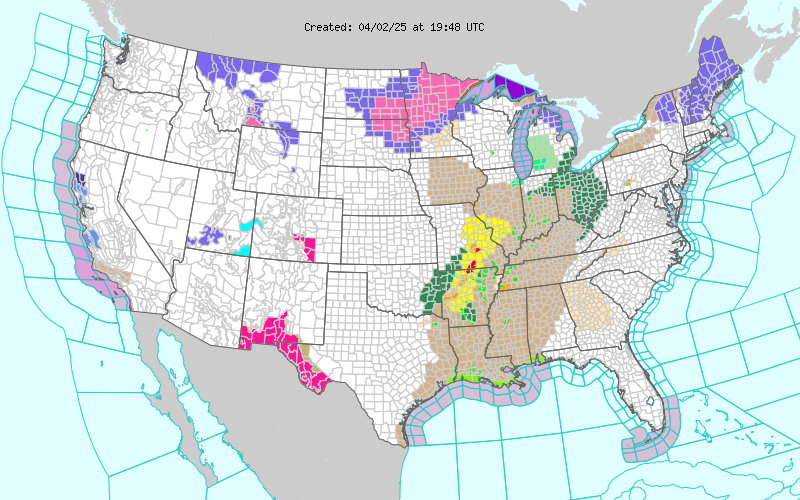
The image is a live image for the National Weather Service server. It gets updated on Real time.
Current Western Weather Snapshot: December's Diverse Palette
The Western United States is currently experiencing a stark contrast in atmospheric conditions. While the Desert Southwest and Southern California are basking under mostly clear, sunny skies with unseasonably warm temperatures, the Pacific Northwest is bracing for a series of rain showers, characteristic of its winter climate. Meanwhile, parts of California's Central Valley are grappling with persistent haze, a common winter challenge that affects air quality and visibility.
In the southern reaches, cities like Phoenix, AZ, and Tucson, AZ, are enjoying daytime highs in the low to mid-70s Fahrenheit, with overnight lows dipping into the mid-50s. The skies are predominantly sunny and clear, with minimal wind, offering ideal conditions for outdoor activities. Similarly, Los Angeles, CA, and San Diego, CA, are experiencing pleasant, warm weather, with temperatures reaching into the mid-70s, making for a delightful December.
Moving north along the Pacific Coast, the weather narrative shifts dramatically. Seattle, WA, and Portland, OR, are firmly under the influence of a typical Pacific Northwest winter, characterized by consistent rain. Temperatures in these areas hover in the mid to upper 50s during the day and remain mild overnight, accompanied by moderate winds. Cities like Eugene, OR, are also seeing a slight chance of rain showers, maintaining the region's damp conditions.
California's central and northern regions present a mixed bag. Coastal cities like San Francisco, CA, and San Jose, CA, are experiencing sunny to mostly clear conditions with daytime temperatures in the 50s, cooling into the 40s overnight. However, inland areas such as Sacramento, CA, and Fresno, CA, are contending with persistent haze. Temperatures here are cooler, in the low to mid-40s, and the lack of significant wind contributes to the stagnant air quality.
Further inland, the Mountain West cities like Salt Lake City, UT, and Las Vegas, NV, are enjoying mostly sunny conditions. Salt Lake City sees daytime highs in the upper 50s, dropping to the low 40s overnight, while Las Vegas remains warmer, in the upper 60s during the day and mid-50s at night, both with light winds. Reno, NV, also reports sunny, mostly clear skies with temperatures in the mid-40s.
A Closer Look: City-Specific Forecasts and Hourly Outlook
For those planning their week or simply curious about local conditions, a detailed look at the hourly forecast provides crucial insights:
- Phoenix, AZ & Mesa, AZ: Expect continued sunny days with highs around 72-73°F, transitioning to clear nights in the mid-50s. Winds will remain calm, making for very pleasant winter weather.
- Tucson, AZ: Similar to its northern neighbors, Tucson will see sunny conditions with highs near 77°F, cooling to around 52°F overnight. Light winds will prevail.
- Los Angeles, CA: Enjoy sunny skies with a high of 76°F, dropping to a clear 60°F by late evening. Light breezes will keep conditions comfortable.
- San Diego, CA: Another beautiful day is on tap with a high of 74°F under sunny skies, becoming mostly clear and 58°F overnight with virtually no wind.
- Las Vegas, NV: Bright sunshine will push temperatures to 69°F, with a clear night settling in at 57°F. Expect light, consistent winds.
- San Francisco, CA: Sunny conditions with highs around 52°F, cooling to 48°F and mostly clear overnight. Moderate winds are expected.
- San Jose, CA: A sunny day with temperatures reaching 55°F, turning mostly clear and 45°F overnight with lighter winds.
- Sacramento, CA & Fresno, CA: These areas will continue to experience haze. Sacramento will see highs of 46°F, with Fresno slightly cooler at 42°F, both remaining mostly cloudy to hazy overnight in the low 40s with minimal wind.
- Reno, NV: Sunny and clear conditions are expected, with temperatures holding steady around 46°F both day and night, and no significant wind.
- Salt Lake City, UT: Mostly sunny with a high of 58°F, transitioning to a mostly clear night around 44°F. Light winds are anticipated.
- Seattle, WA: Rain is the dominant feature, with daytime temperatures around 56°F and light rain continuing overnight at 57°F. Winds will be breezy, up to 15 mph.
- Portland, OR: Expect rain showers likely, with highs near 58°F, and continued rain showers overnight at 56°F. Winds will be noticeable, around 14 mph.
- Eugene, OR: A slight chance of rain showers persists, with highs near 58°F, cooling to 52°F overnight with continued slight chances of rain.
Understanding the Atmospheric Dynamics Behind Western Weather
The distinct weather patterns across the Western U.S. are largely dictated by the interplay of high and low-pressure systems. A dominant high-pressure ridge currently extends over the Desert Southwest and much of California, leading to stable, clear, and warm conditions. This ridge effectively blocks colder air and storm systems from penetrating these southern regions, resulting in the beautiful, mild winter days being enjoyed in Arizona, Nevada, and Southern California.
Conversely, the Pacific Northwest is under the influence of a more active weather pattern, typical for this time of year. A series of low-pressure systems and associated frontal boundaries are tracking across the northern Pacific, bringing ample moisture ashore. The "Pineapple Express" phenomenon, while not explicitly indicated as a strong event, describes the general flow of atmospheric rivers that can bring significant rainfall to the region. The Cascade Mountains further enhance this precipitation through orographic lift, forcing moist air upwards, cooling it, and causing it to condense into rain. This ongoing moisture is vital for the region's ecosystems and water reservoirs.
The persistent haze in California's Central Valley is a consequence of both geography and meteorology. The valley is flanked by mountain ranges, which, under high-pressure systems, can trap cold, moist air near the surface, forming a dense fog layer often referred to as "Tule fog." When combined with urban and agricultural emissions, this stagnant air leads to poor air quality and reduced visibility, a significant concern during winter months.
Potential Impacts on Agriculture and Water Resources
The current weather conditions hold significant implications for the Western U.S.'s vital agricultural sector and its precious water resources. In the Pacific Northwest, the consistent rainfall is a mixed blessing. While it replenishes vital reservoirs, supports hydropower generation, and helps maintain healthy forest ecosystems, excessive or prolonged rain can also delay planting, impact harvesting, and increase the risk of fungal diseases in certain crops. Farmers in Washington and Oregon will be carefully monitoring soil moisture levels and field accessibility.
For California, the situation is more nuanced. The haze in the Central Valley, while not directly a precipitation event, highlights the lack of significant storm activity. This dry, stable pattern, coupled with the warm temperatures in Southern California, means that the state is not receiving the widespread, substantial rainfall needed to significantly boost its snowpack in the Sierra Nevada mountains or replenish its major reservoirs. California's agriculture, a multi-billion dollar industry, relies heavily on winter precipitation and spring snowmelt. A prolonged dry spell in the winter can lead to concerns about water allocations for the upcoming growing season, particularly for high-value crops like almonds, pistachios, and various fruits and vegetables.
In Arizona and Nevada, the warm, sunny conditions are pleasant but underscore the arid nature of the region. While beneficial for winter tourism, the lack of precipitation means continued reliance on imported water, primarily from the Colorado River. The long-term health of the Colorado River Basin is intrinsically linked to winter snowpack in the Rocky Mountains, and while this forecast is short-term, sustained dry patterns across the broader Western watershed are always a concern for these desert states.
Travel Advisories and Commuter Information
Travelers and daily commuters across the Western U.S. should remain vigilant and adapt to the diverse conditions. In the Pacific Northwest, particularly around Seattle, Portland, and Eugene, rain-slicked roads will be a primary concern. Drivers should reduce speed, maintain greater following distances, and ensure their vehicle's tires and wipers are in good condition. Visibility may be reduced during heavier downpours.
For those traveling through California's Central Valley, the persistent haze around Sacramento and Fresno demands extra caution. Tule fog can form rapidly and reduce visibility to near zero, making driving extremely hazardous. Motorists are advised to use low-beam headlights, avoid using high beams, and be prepared for sudden changes in visibility. Allow extra time for travel and consider delaying non-essential trips during periods of dense fog.
In the warmer, sunnier regions of Arizona, Nevada, and Southern California, travel conditions are generally favorable. However, even under clear skies, drivers should be mindful of potential glare from the sun, especially during sunrise and sunset. While winds are generally light, sudden gusts can occur, particularly in open desert areas or near mountain passes, which could affect high-profile vehicles.
Health and Safety: Staying Prepared in Diverse Climates
The varied weather across the Western U.S. necessitates a comprehensive approach to health and safety. For residents in the Pacific Northwest, staying warm and dry is paramount. Layering clothing, wearing waterproof outer layers, and having access to dry clothes are essential to prevent hypothermia, even in relatively mild temperatures, given the constant dampness. Be mindful of slippery surfaces, especially moss-covered steps or wet sidewalks.
In areas affected by haze, particularly Sacramento and Fresno, air quality can be a significant health concern. Individuals with respiratory conditions such as asthma or COPD, as well as young children and the elderly, should limit prolonged outdoor exertion. Monitoring local air quality reports is recommended, and wearing an N95 mask can offer some protection when outdoor activities are unavoidable. Keeping windows closed and using indoor air purifiers can also help maintain healthier indoor air.
For the sun-drenched desert and Southern California regions, while the weather is pleasant, sun protection remains important. Even in winter, UV radiation can be strong. Wearing sunscreen, hats, and sunglasses is advisable, especially for extended periods outdoors. Staying hydrated is also crucial, as the dry air can lead to faster dehydration than one might expect.
Historical Context: Western Winters and Climate Trends
The weather patterns observed this week are part of a broader tapestry of Western U.S. climate. Historically, the region experiences significant variability, often influenced by large-scale oceanic and atmospheric phenomena like El Niño and La Niña. While this specific forecast doesn't delve into those long-term drivers, understanding that Western winters can swing from exceptionally wet to severely dry is key.
The Pacific Northwest typically relies on a consistent stream of frontal systems for its winter precipitation, contributing to its lush environment and robust hydropower capacity. Southern California and the Desert Southwest, by contrast, often experience mild, dry winters, with significant precipitation being less frequent but vital when it does occur. The Central Valley's winter fog and haze are a long-standing feature, linked to atmospheric inversions that trap moisture and pollutants.
Recent decades have seen an increasing focus on climate change impacts in the West, including shifts in snowpack levels, earlier spring melts, and more frequent and intense drought cycles. While a single week's forecast doesn't define a trend, it's a snapshot within this larger context, reminding us of the region's sensitivity to atmospheric shifts and the importance of proactive water management and environmental stewardship.
Looking Ahead: Beyond the Immediate Forecast
While the immediate forecast points to a continuation of these distinct patterns – rain in the north, sun and warmth in the south, and haze inland – meteorologists will be watching for any shifts in the dominant high-pressure ridge. A weakening or repositioning of this ridge could allow colder air or more significant storm systems to penetrate further south, potentially bringing much-needed precipitation to California and the Mountain West.
Conversely, the strengthening of the ridge could prolong the dry and warm conditions, exacerbating concerns about water resources as the winter progresses. For the Pacific Northwest, the expectation is for the rainy season to continue, with periodic breaks. Staying informed through reliable weather sources will be key as these dynamic systems evolve.
In conclusion, the Western U.S. offers a fascinating and diverse weather landscape this week. From the warmth of the desert to the rains of the Pacific Northwest and the unique challenges of California's hazy valleys, understanding these conditions is essential for safety, planning, and appreciating the natural beauty of this remarkable region. Stay safe, stay informed, and enjoy the varied wonders of the West!
This post is created using the public data provided by the National Weather Service. Please check the Original source for more information.

Comments
Post a Comment
Please leave a comment.