Western US Weather: Mild December Day with Morning Fog & Sunny Skies
Western US Weather Forecast: A Mild December Day with Morning Fog and Abundant Sunshine
As we step into December 13, 2025, the vast and diverse landscapes of the Western United States are experiencing a generally calm and mild weather pattern. From the temperate rainforests of the Pacific Northwest to the arid deserts of Arizona, a dominant high-pressure system is dictating conditions, leading to stable weather, light winds, and a notable lack of major alerts. While many regions will awaken to cool, often foggy mornings, the promise of abundant sunshine and comfortable temperatures looms for the afternoon hours. This forecast offers a welcome reprieve from harsh winter conditions, though specific regional nuances will define the day for residents and travelers alike. Understanding these localized patterns is key to navigating the day effectively and appreciating the unique climate of the American West.
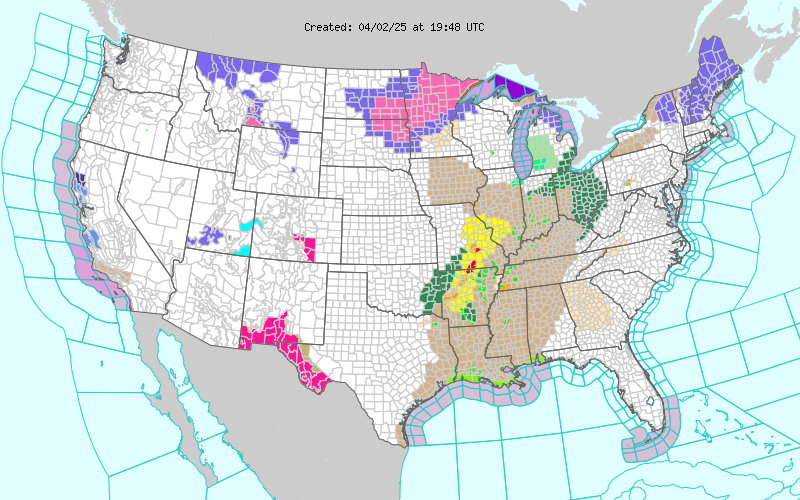
The image is a live image for the National Weather Service server. It gets updated on Real time.
Current Conditions Across the Western Zone: A Regional Breakdown
The Western Zone of the United States, known for its dramatic climatic variations, presents a tapestry of weather conditions this Friday. While no severe weather alerts are in effect across the entire region, localized phenomena like morning fog will be a significant factor for many.
Pacific Northwest: Foggy Start, Sunny Outlook
Cities like Seattle, WA, Portland, OR, and Eugene, OR are starting their day with cool temperatures and widespread patchy fog or areas of fog. Seattle anticipates a morning low of 49°F with 5 mph winds, gradually clearing to a partly sunny afternoon with temperatures rising to 53°F and lighter 3 mph winds. Portland follows a similar trend, beginning at 47°F with patchy fog and 2 mph winds, improving to partly sunny skies and 51°F by late afternoon. Eugene, further inland, sees a cooler start at 40°F with areas of fog and 2 mph winds, eventually reaching a pleasant 54°F under mostly sunny skies. This pattern is characteristic of the region during stable winter periods, where moisture trapped by high pressure leads to morning inversions and fog, which then burns off to reveal mild, pleasant conditions.
California: Widespread Morning Fog to Glorious Sunshine
California's diverse geography means a range of experiences. The coastal cities and central valleys are particularly prone to morning fog. San Jose, CA, for instance, starts at 43°F with patchy fog, but will enjoy a sunny afternoon reaching 57°F. San Francisco, CA, often cooler due to its direct ocean exposure, begins at 45°F with mostly clear skies and moderate 7 mph winds, transitioning to a mostly sunny 54°F with slightly stronger 9 mph winds. Further south, San Diego, CA, expects patchy fog at 55°F, giving way to partly sunny conditions and a comfortable 62°F. Inland in the Central Valley, Sacramento, CA, and Fresno, CA, will contend with persistent fog. Sacramento starts with areas of fog at 42°F and only sees patchy fog persist into the afternoon at 43°F. Fresno is similar, with patchy fog at 41°F in the morning and remaining at 45°F with patchy fog through the afternoon. Los Angeles, CA, will experience patchy fog at 55°F in the morning, but will transform into a gloriously sunny day, soaring to 74°F with light 5 mph winds – a perfect example of the "June gloom" phenomenon often extending into other mild seasons, quickly giving way to warmth.
Southwest Deserts: Clear Skies and Significant Warmth
The desert regions of Arizona and Nevada are set to enjoy some of the warmest temperatures in the zone. Phoenix, AZ, the primary city for this zone, starts with mostly sunny skies at 53°F, with virtually no wind. By the afternoon, it will be mostly clear and a remarkable 73°F. Neighboring Mesa, AZ, mirrors this, going from 51°F and mostly sunny to 72°F and mostly clear. Tucson, AZ, also in Arizona, will see a morning of partly sunny skies at 48°F, warming considerably to 70°F and mostly clear by evening. In Nevada, Las Vegas, NV, begins mostly clear at 49°F and 3 mph winds, culminating in a sunny 66°F afternoon. These regions exemplify the classic mild desert winter, offering a stark contrast to the cooler, foggier conditions further west and north.
Intermountain West: Crisp Mornings, Bright Afternoons
Higher elevation cities in the Intermountain West will experience cooler starts but equally sunny afternoons. Salt Lake City, UT, will begin with sunny skies at a crisp 38°F, rising to a partly cloudy 50°F later in the day, with consistently light 2 mph winds. Reno, NV, starts even colder at 33°F under mostly clear skies, but will warm significantly to a sunny 52°F by late afternoon. These areas benefit from the higher elevation, often staying above the valley fog, ensuring clearer conditions from the outset, though temperatures remain decidedly wintry in the mornings.
A Closer Look: City-Specific Forecasts for December 13, 2025
Let's delve into some specific city forecasts to help you plan your day across the Western US:
- Los Angeles, CA: Wake up to patchy fog and a mild 55°F. By afternoon, expect glorious sunshine and a warm 74°F with light 5 mph breezes. Ideal for outdoor activities once the fog lifts.
- Phoenix, AZ: A beautiful day ahead. Morning temperatures around 53°F under mostly sunny skies. Soaring to a pleasant 73°F and mostly clear by evening, with calm winds throughout.
- Seattle, WA: Start with patchy fog and 49°F. The fog will gradually give way to partly sunny skies, reaching 53°F in the afternoon. Dress in layers, especially for the morning commute.
- Salt Lake City, UT: A crisp, sunny morning at 38°F. The afternoon will see partly cloudy skies and a milder 50°F. Excellent conditions for enjoying the mountain views, but bundle up early.
- Sacramento, CA: Expect persistent fog. Morning starts with areas of fog at 42°F, and by afternoon, patchy fog will still be present with temperatures only reaching 43°F. Drive with extreme caution.
- Reno, NV: A chilly morning at 33°F under mostly clear skies. The day will warm up considerably to a sunny 52°F by late afternoon.
What to Expect: Weather Patterns and Their Impact
The overarching weather story for the Western Zone on December 13, 2025, is the influence of a strong ridge of high pressure. This atmospheric phenomenon is responsible for the stable, calm, and generally dry conditions observed across the region. High-pressure systems typically suppress vertical air movement, leading to clear skies and light winds. However, in low-lying areas, valleys, and coastal basins, this stability can also trap moisture near the surface, leading to the formation of radiation fog, especially after clear, cool nights.
This is precisely what we see occurring in many parts of California and the Pacific Northwest. The fog forms as the ground cools rapidly overnight, chilling the air immediately above it to its dew point. Without strong winds to mix the air, this dense, cool, moist air remains trapped, often leading to temperature inversions where warmer air sits above a layer of colder, foggier air. These inversions are particularly impactful in areas like California's Central Valley (e.g., Sacramento, Fresno), where the topography acts as a natural basin, allowing fog to persist for extended periods, sometimes even all day. In coastal areas, advection fog can also play a role, as moist marine air moves over cooler land surfaces.
The lack of significant wind across much of the region (many cities reporting 0-5 mph) is a direct consequence of this high-pressure dominance. While pleasant for outdoor activities once the fog clears, it also means that any pollutants or particulate matter can become trapped in the lower atmosphere, particularly during inversions. This can lead to diminished air quality in urban areas, even on days that otherwise feel pleasant. The significant diurnal temperature range, especially in desert areas like Phoenix and Las Vegas (e.g., Phoenix from 53°F to 73°F), is also a hallmark of high-pressure systems in arid climates, where dry air allows for rapid cooling after sunset and efficient heating under direct sunlight.
Agricultural Implications and Water Resources
For the vast agricultural sector of the Western US, particularly in California's Central Valley and Arizona's fertile lands, this period of mild, dry weather carries both benefits and potential concerns. The absence of heavy rainfall or severe cold fronts is generally favorable for winter crops currently in the ground, preventing issues like waterlogging or frost damage. Citrus groves in California and Arizona, for example, benefit from these mild temperatures, allowing fruit to ripen without the threat of freezing. The morning fog, while a nuisance for travel, can provide some natural moisture and insulation for certain crops, reducing irrigation needs slightly in localized areas.
However, the prolonged absence of significant precipitation, especially in the form of mountain snow, is a long-term concern for water resources. The Western US relies heavily on the snowpack in the Sierra Nevada and Rocky Mountains to replenish reservoirs and supply water for agriculture, municipalities, and ecosystems throughout the dry summer months. A mild, dry December, while pleasant in the short term, means less snow accumulation, which could exacerbate drought conditions if this pattern continues into the critical winter and spring months. Farmers are keenly aware of these long-term trends, constantly monitoring snowpack forecasts and reservoir levels to make crucial decisions about planting and irrigation strategies for the coming year. The lack of strong winds also means less evaporative stress on crops, which is a small silver lining in an otherwise dry period.
Travel Advisories and Road Conditions
Travelers across the Western Zone on December 13, 2025, should primarily be aware of the widespread morning fog, particularly in California and the Pacific Northwest. Visibility can be drastically reduced, making driving hazardous. Areas like Sacramento and Fresno, where fog is expected to be persistent, will require extra caution. Drivers are strongly advised to:
- Slow Down: Reduce your speed significantly, as reaction time is severely limited in low visibility.
- Use Low Beams: High beams will reflect off the fog, worsening visibility. Use your low beams or fog lights.
- Increase Following Distance: Maintain a greater distance between your vehicle and the one in front of you.
- Avoid Sudden Stops: Brake gently and well in advance of turns or stops.
- Be Patient: Allow extra time for your commute.
For air travel, while the afternoon promises clear skies, morning fog at major airports like San Francisco (SFO), Los Angeles (LAX), Seattle-Tacoma (SEA), and Portland (PDX) could lead to minor delays or reroutes. It's always prudent to check with your airline for the latest flight status before heading to the airport. By afternoon, however, the clear conditions and light winds will make for smooth flying across most of the region. Those traveling through the desert Southwest (Phoenix, Las Vegas) will enjoy excellent driving and flying conditions throughout the day, with clear skies and comfortable temperatures.
Health and Wellness in Mild Western Weather
While a mild December day might seem universally beneficial for health, the specific conditions in the Western US present unique considerations. The morning chill, especially in areas with fog or at higher elevations, necessitates dressing in layers to stay comfortable and prevent hypothermia, even if temperatures aren't extreme. As the day warms significantly, particularly in the desert Southwest where temperatures reach the 70s, staying hydrated is crucial. The dry air can lead to increased fluid loss, and it's easy to underestimate the need for water even in winter.
The persistent fog and temperature inversions, especially in urban valleys, can also impact air quality. When an inversion is present, pollutants from vehicle exhaust and industrial sources are trapped close to the ground, leading to increased concentrations of fine particulate matter and other contaminants. Individuals with respiratory conditions like asthma or COPD should monitor local air quality reports and consider limiting prolonged outdoor exertion during foggy periods. Furthermore, even on clear winter days, the Western sun can be quite intense, especially at higher altitudes. Sunscreen and sunglasses are still advisable, particularly for those spending extended time outdoors, to protect against UV radiation.
Finally, for those with seasonal allergies, mild winter weather can sometimes prolong or even trigger unexpected allergy symptoms if certain plants begin to pollinate early due to the warmer temperatures. While not a widespread issue for everyone, it's something to be mindful of if you're typically sensitive.
Preparing for the Day: Essential Tips
With a generally mild forecast but specific regional challenges, a few preparedness tips can ensure a smooth and enjoyable December 13th across the Western Zone:
- Check Local Forecasts: The Western US has microclimates. Always check the specific forecast for your immediate area, especially if traveling between different regions (e.g., from a foggy valley to a clear mountain pass).
- Layer Your Clothing: Given the significant temperature swings from morning to afternoon, particularly in the desert and intermountain regions, dressing in layers is the most practical approach.
- Drive with Caution in Fog: If you are in California's valleys or the Pacific Northwest, be prepared for reduced visibility during your morning commute. Allow extra time and follow fog driving safety guidelines.
- Stay Hydrated: Especially in the dry desert air, ensure you are drinking plenty of water throughout the day, even if it doesn't feel hot.
- Sun Protection: Don't forget sunglasses and consider sunscreen, particularly if you'll be outdoors for extended periods in sunny areas or at higher elevations.
- Monitor Air Quality: If you have respiratory sensitivities, keep an eye on local air quality advisories, especially in areas prone to inversions and persistent fog.
In summary, December 13, 2025, promises a predominantly mild and calm day for the Western United States. While morning fog will present challenges for commuters in certain areas, particularly California's Central Valley and parts of the Pacific Northwest, these conditions are expected to give way to pleasant, sunny, and often warm afternoons. The absence of severe weather alerts provides a sense of ease, but awareness of localized conditions – from dense fog to significant temperature fluctuations – remains crucial for a safe and comfortable day. Enjoy the diverse beauty and gentle weather that the Western states have to offer this mid-December.
This post is created using the public data provided by the National Weather Service. Please check the Original source for more information.

Comments
Post a Comment
Please leave a comment.