Western US Weather: Mild Deserts, Rainy Northwest & Valley Fog Outlook
Western US Weather Outlook: Navigating Mild Deserts, Rainy Northwest, and Persistent Valley Fog
The vast and diverse landscape of the Western United States is poised for a classic winter weather pattern this December 14th and 15th, 2025. From the sun-drenched deserts of Arizona and Nevada to the rain-soaked coasts of the Pacific Northwest, and the enigmatic fog-shrouded valleys of California, residents and travelers alike will experience a wide array of conditions. While no severe weather alerts are currently in effect, understanding these distinct regional nuances is key to a safe and comfortable weekend.
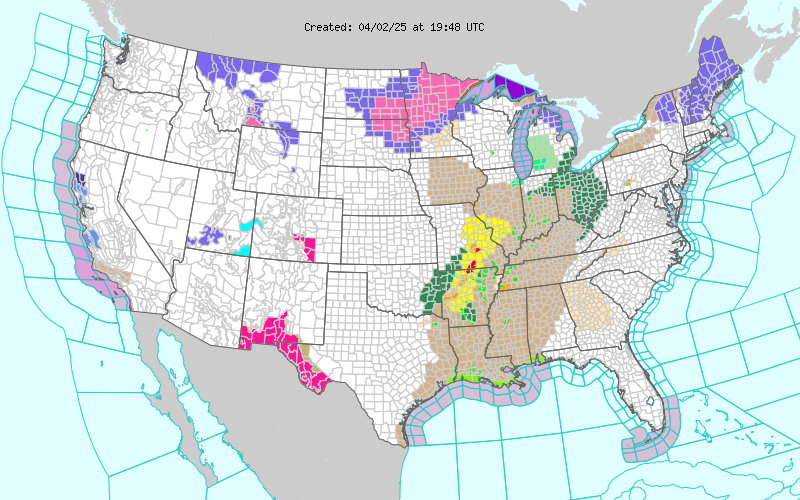
The image is a live image for the National Weather Service server. It gets updated on Real time.
Current Conditions: A Snapshot Across the Western Tapestry
As we head into Sunday evening, December 14th, the Western US presents a fascinating meteorological mosaic. The Southwest remains largely under the influence of mild, clear to partly cloudy skies, offering a pleasant respite from colder temperatures found elsewhere. Cities like Phoenix, AZ, are enjoying a comfortable 65°F with light winds, while Tucson, AZ, and Mesa, AZ, hover around the low 60s, also partly cloudy. This pattern extends into Las Vegas, NV, where temperatures are a balmy 58°F with partly cloudy conditions, and Reno, NV, which, despite its higher elevation, is seeing a relatively mild 42°F and mostly clear skies.
Moving west into California, a different story unfolds. The Central Valley is contending with persistent low visibility. Sacramento, CA, and Fresno, CA, are experiencing chilly 41-43°F temperatures under patchy fog, a common winter phenomenon for the region. Further south, San Jose, CA, reports 46°F with similar patchy fog. Coastal areas, however, are clearer. San Francisco, CA, is 47°F and mostly clear, while Los Angeles, CA, enjoys 57°F with mostly clear skies, and San Diego, CA, is 59°F but mostly cloudy, hinting at some marine layer influence.
The Pacific Northwest, as is often the case in winter, is embracing a wetter, cooler forecast. Seattle, WA, is 53°F with a chance of light rain, and Portland, OR, at 50°F, also has a slight chance of light rain. Further south in Oregon, Eugene, OR, is 48°F and partly cloudy. Meanwhile, the intermountain West, represented by Salt Lake City, UT, is cooler at 38°F under mostly cloudy skies.
Looking Ahead: The Hourly Forecast Breakdown for Monday, December 15th
As dawn breaks on Monday, December 15th, the Western weather patterns will largely hold, though some areas will see intensification of existing conditions.
- Southwest's Continued Sunshine: The desert Southwest will maintain its mild and sunny disposition. Phoenix is forecast to drop slightly to 59°F but will be sunny with calm winds. Tucson will be 60°F and sunny, while Mesa mirrors Phoenix at 59°F and sunny. Las Vegas will cool to 51°F under sunny skies, and Reno will be a crisp 35°F and mostly sunny. These conditions are ideal for outdoor activities, though mornings will be cool.
- California's Persistent Fog and Coastal Clearing: The Central Valley fog is expected to persist and even thicken in some areas. Sacramento and Fresno will remain at 41-43°F with "Areas Of Fog" or "Mostly Cloudy" conditions, indicating continued low visibility. San Jose will see temperatures drop to 43°F with "Areas Of Fog." Along the coast, San Francisco will be 46°F and partly sunny, while Los Angeles will be 57°F and sunny. San Diego will see patchy fog develop, with temperatures around 57°F and calm winds.
- Pacific Northwest's Wet Monday: The Pacific Northwest is gearing up for a truly wet Monday. Seattle, WA, will experience a significant increase in precipitation, with rain and winds picking up to 18 mph, while temperatures rise slightly to 55°F. Portland, OR, is forecast for "Showers And Thunderstorms" with winds up to 10 mph and a temperature of 55°F. Eugene, OR, will also see "Showers And Thunderstorms" with 9 mph winds and temperatures reaching 55°F. This indicates a more active weather front moving through the region.
- Intermountain West: Salt Lake City, UT, will see a slight drop to 37°F but will enjoy sunny skies, a welcome change from Sunday evening's cloud cover.
Regional Climate Context: Understanding the Western Tapestry
The diverse weather patterns observed this week are a testament to the complex geography of the Western United States. The region encompasses everything from arid deserts to towering mountain ranges, lush river valleys, and a lengthy coastline, each influencing local climate in profound ways. The mild, dry conditions in the Southwest are typical of a high-pressure system dominating the Great Basin and desert regions, often leading to clear skies and significant diurnal temperature swings. This is the time of year when the desert's beauty shines through with comfortable daytime temperatures, making it a popular destination for those escaping colder climes.
In contrast, the Pacific Northwest's persistent rain is characteristic of its oceanic climate, heavily influenced by moisture-laden air masses from the Pacific Ocean. Winter is the wet season, crucial for replenishing snowpacks and reservoirs. The forecast for showers and thunderstorms suggests an active frontal system, possibly a "Pineapple Express" or an atmospheric river event, which, while vital for water resources, can also bring heavy rainfall and increased wind, as seen in Seattle and Portland's forecast.
California's Central Valley fog, locally known as "Tule Fog," is a classic winter phenomenon. It forms when moist air near the ground cools rapidly on clear, calm nights, often trapped under an inversion layer. This dense fog can persist for days, drastically reducing visibility and impacting daily life. The coastal areas, influenced by the Pacific, often experience clearer conditions or marine layer fog that burns off more quickly than the inland Tule Fog.
Agricultural Impact and Water Resources
Weather conditions in the Western US have profound implications for its vast agricultural sector and critical water resources. The Pacific Northwest's forecasted rain and potential thunderstorms are a double-edged sword. While essential for recharging the region's snowpack and reservoirs, prolonged heavy rainfall can lead to localized flooding, soil erosion, and challenges for outdoor agricultural operations. Farmers in Oregon and Washington rely on this winter moisture for berry crops, tree fruits, and timber production. The health of the snowpack in the Cascades and Rockies directly impacts water availability for irrigation, hydroelectric power, and municipal use in the spring and summer.
In California, the prevalence of Tule Fog in the Central Valley, while a nuisance for commuters, plays a vital role in agriculture. This persistent fog provides "chilling hours" necessary for many fruit and nut trees, such as almonds, pistachios, and stone fruits, to break dormancy and produce a robust crop in the spring. Without sufficient chilling hours, yields can be significantly reduced. However, dense fog can also delay harvesting, especially for late-season citrus, and create hazardous conditions for farm workers. The clear coastal conditions are generally favorable for winter vegetable crops and vineyard maintenance.
The mild, sunny weather in the Southwest, particularly Arizona's agricultural regions like those around Phoenix and Yuma, supports a thriving winter vegetable industry. These conditions allow for the cultivation of lettuce, broccoli, and other greens that supply much of the nation during colder months. Consistent mild temperatures prevent frost damage and ensure steady growth. However, a lack of significant winter precipitation in these arid regions underscores their reliance on imported water, primarily from the Colorado River, making the overall Western water outlook interconnected.
Travel Advisories and Road Safety
Given the varied weather across the Western Zone, travel considerations are paramount, even without formal severe weather alerts.
- California's Central Valley Fog: The persistent "Patchy Fog" and "Areas Of Fog" in cities like Sacramento, Fresno, and San Jose demand extreme caution. Visibility can drop to near zero suddenly. Drivers should:
- Slow down significantly.
- Use low-beam headlights only (high beams reflect off the fog, worsening visibility).
- Increase following distance.
- Be aware of reduced stopping distances on potentially damp roads.
- Avoid unnecessary travel during peak fog times if possible.
- Pacific Northwest Rain and Thunderstorms: With rain, showers, and even thunderstorms expected in Seattle, Portland, and Eugene, road conditions will be slick. Drivers should:
- Check tire tread and pressure.
- Ensure windshield wipers are functional.
- Turn on headlights.
- Reduce speed to prevent hydroplaning.
- Be vigilant for standing water and potential urban flooding.
- Stronger winds (up to 18 mph in Seattle) can make driving high-profile vehicles challenging.
- Southwest's Mild Conditions: While generally favorable for travel, even mild conditions require attention. Sudden gusts of wind can kick up dust, especially in desert areas, leading to localized visibility issues. Always be prepared for temperature drops after sunset.
- Mountain Passes: Although no snow is explicitly mentioned in the immediate forecast for major cities, winter travel in the Western US often involves mountain passes. Always check road conditions (e.g., Caltrans, ODOT, UDOT) before heading into higher elevations, as conditions can change rapidly and include snow or ice.
Preparedness Tips for Diverse Western Weather
Being prepared is key to navigating the diverse weather patterns of the Western US, even when alerts are not active. Proactive measures can ensure safety and comfort.
- For Foggy Conditions:
- Vehicle Readiness: Ensure your vehicle's headlights and fog lights are clean and operational. Check your defroster and wipers.
- Emergency Kit: Keep an emergency kit in your car with blankets, water, snacks, a first-aid kit, and a fully charged cell phone.
- Stay Informed: Monitor local traffic and weather reports before heading out.
- For Rainy and Stormy Weather:
- Home Maintenance: Clear gutters and downspouts to prevent water accumulation and potential leaks. Secure any outdoor items that could be blown away by strong winds.
- Outdoor Gear: Have appropriate waterproof clothing and footwear readily available if you need to be outdoors.
- Driving Safety: As mentioned, check tires, wipers, and headlights. Drive defensively and be aware of increased stopping distances.
- For Mild to Cool Conditions:
- Layered Clothing: Even in mild desert areas, temperatures can drop significantly after sunset. Dress in layers to adapt to changing conditions throughout the day.
- Hydration: Continue to stay hydrated, especially if engaging in outdoor activities, even when temperatures are moderate.
- Sun Protection: Even on partly cloudy days, the Western sun can be strong. Wear sunscreen and sunglasses.
- General Preparedness:
- Emergency Contacts: Have a list of emergency contacts readily accessible.
- Stay Connected: Ensure your phone and other communication devices are charged.
- Home Comfort: Check heating systems to ensure they are in good working order for cooler nights.
These proactive steps not only enhance personal safety but also contribute to community resilience in the face of dynamic weather. Understanding the nuances of Western weather patterns, from the life-giving rains of the Northwest to the crucial fog of California's valleys and the mild warmth of the desert Southwest, empowers us to better appreciate and prepare for our environment.
Beyond the Forecast: Engaging with Weather Patterns
The weather in the Western United States is a constant source of fascination and, at times, challenge. It shapes our landscapes, influences our economy, and dictates our daily routines. This overview of the December 14th-15th forecast highlights the incredible diversity within a single region. From the immediate concerns of safe travel through fog and rain to the long-term implications for agriculture and water resources, every weather event tells a story.
As residents of this vibrant region, engaging with weather patterns goes beyond simply checking the daily forecast. It involves understanding the underlying climatic forces, appreciating the delicate balance of ecosystems, and recognizing our role in preparedness and sustainability. Whether you're planning a trip, tending to a farm, or simply enjoying a quiet weekend at home, being informed about the weather is an act of responsible citizenship. Stay curious, stay prepared, and continue to explore the wonders of our dynamic Western weather.
Stay safe and weather-aware!
This post is created using the public data provided by the National Weather Service. Please check the Original source for more information.

Comments
Post a Comment
Please leave a comment.