Western US Weather Outlook: Mild December, Fog & Rain in Northwest
Western US Weather Outlook: Mild December Days, Persistent Fog, and Pacific Northwest Drizzle
As December progresses, the vast and varied Western United States presents a fascinating tapestry of weather conditions. From the sun-drenched deserts of Arizona to the misty coastlines of the Pacific Northwest, residents and visitors alike are experiencing a diverse range of atmospheric phenomena. While much of the region enjoys unseasonably mild temperatures, specific areas are grappling with dense fog or light, intermittent rainfall, painting a complex picture for the coming days. This forecast delves into the intricacies of current patterns, historical context, and crucial preparedness advice to help you navigate the unique December weather across the Western states.
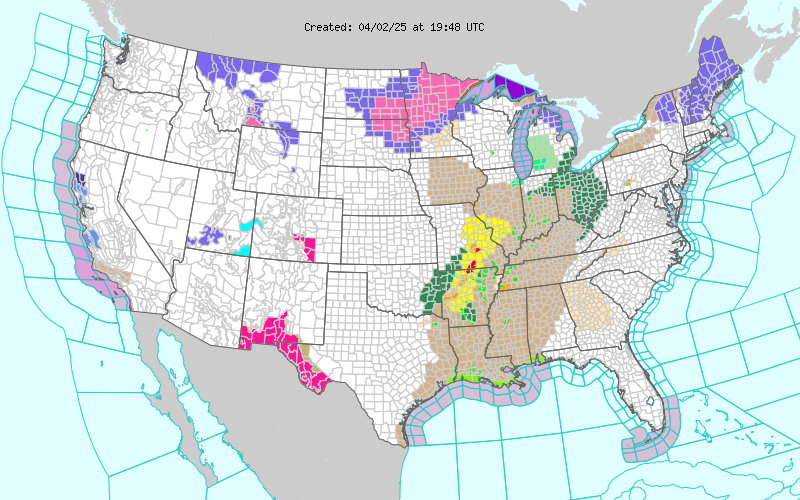
The image is a live image for the National Weather Service server. It gets updated on Real time.
Current Conditions: A Regional Snapshot Across the West
The Western United States is currently under the influence of contrasting weather patterns, creating distinct microclimates across its expansive terrain. Let's break down what's happening from south to north and east to west:
- Southwest & Southern California Oasis: For much of Arizona, Nevada, and Southern California, the weather is nothing short of idyllic. Cities like Phoenix, AZ, are basking in glorious sunshine with a comfortable 75°F, dropping to a crisp 53°F overnight. Mesa, AZ, mirrors this with 62°F and clear skies, cooling to 52°F. Los Angeles, CA, leads the pack with a balmy 77°F under sunny skies, settling at 57°F after dark. San Diego, CA, is equally pleasant at 71°F, though patchy fog is anticipated overnight at 56°F. Las Vegas, NV, is enjoying a clear 63°F, dipping to 51°F. Winds across these areas are remarkably light, often at 0-5 mph, making for perfect outdoor conditions.
- Central California's Foggy Veil: A stark contrast emerges in Central California. The Central Valley, in particular, is experiencing the return of its infamous "Tule Fog." Sacramento, CA, is seeing patchy fog at 45°F, which is expected to become widespread overnight at 42°F. Fresno, CA, is also under a persistent patchy fog, holding steady at 41°F through the day and night. Further west, San Jose, CA, is enjoying sunshine at 56°F, clearing to 46°F overnight. San Francisco, CA, is sunny at 54°F with moderate winds of 12 mph, which will calm to 6 mph as it clears to 46°F.
- Pacific Northwest's Damp Embrace: Up in the Pacific Northwest, the familiar cool, moist air prevails. Seattle, WA, is experiencing mostly cloudy skies with a chance of light rain at 49°F, with a slight chance of light rain continuing overnight as temperatures rise slightly to 51°F – a classic Pacific Northwest temperature inversion. Portland, OR, is mostly cloudy at 56°F, transitioning to cloudy at 51°F. Eugene, OR, is mostly clear at 51°F, but patchy fog is expected overnight as temperatures drop to 43°F. Winds are generally light, around 1-3 mph.
- Mountain West's Clear, Cool Air: The interior Mountain West is enjoying clear conditions, though with cooler temperatures. Salt Lake City, UT, is mostly clear at 47°F, becoming sunny but cooler at 39°F overnight. Reno, NV, is sunny and mild at 56°F, cooling significantly to 34°F overnight under mostly clear skies. Winds are light, typically 0-2 mph.
Looking Ahead: The Next 24 Hours Across the Western States
The immediate 24-hour outlook for the Western US reveals a continuation of current trends, with some subtle shifts that bear watching, particularly for those planning travel or outdoor activities. The dominant features will be the widespread fog in California's valleys, persistent mildness in the Southwest, and the characteristic dampness of the Pacific Northwest.
As night falls and transitions into the early morning hours, temperatures across the desert Southwest and Southern California will dip significantly, creating refreshingly cool and clear conditions. Phoenix, AZ, will cool to a crisp 53°F, while Tucson, AZ, reaches 49°F. Los Angeles and Las Vegas will see temperatures in the mid-50s and low-50s, respectively, under clear skies. This substantial diurnal temperature swing is typical for arid regions and means that while days are warm, nights can be quite chilly. Residents should prepare for comfortable evenings but be ready for cooler mornings.
The Central Valley of California will continue to be impacted by dense fog. Sacramento, CA, is forecast to experience widespread fog at 42°F, while Fresno, CA, will see persistent patchy fog at 41°F. This phenomenon, often referred to as "Tule Fog," can significantly reduce visibility, making driving hazardous. Even coastal areas like San Diego, CA, will see patchy fog develop overnight, dropping to 56°F. Drivers in these regions are strongly advised to exercise extreme caution during the late night and early morning hours.
In the Pacific Northwest, the forecast indicates a continuation of mostly cloudy conditions. Seattle, WA, has a slight chance of light rain with temperatures around 51°F, while Portland, OR, will remain cloudy at 51°F. Eugene, OR, which starts mostly clear, will develop patchy fog by morning, with temperatures around 43°F. While no heavy rainfall is expected, the persistent dampness means surfaces will remain slick, and skies will generally be gray.
The Mountain West will experience a clear but cooler day. Salt Lake City, UT, will be sunny but only reach 39°F after an overnight low in the high 30s. Reno, NV, will also be mostly clear but significantly colder at 34°F in the morning. These colder temperatures, especially at higher elevations, could lead to frosty conditions on untreated surfaces, though widespread precipitation is not in the forecast.
Overall, the next 24 hours will largely reinforce the regional weather patterns currently in place. The West remains a land of contrasts, from the warm, sunny deserts to the cool, foggy valleys and the damp, cloudy Northwest. Staying informed about local conditions will be key to planning your day.
December's Climate History in the Western US: A Contextual View
Understanding current weather patterns often benefits from a look at historical climate trends. December in the Western US is typically a month of significant transition, marking the true onset of winter for many areas, yet it's also a period of immense climatic diversity across the region's varied landscapes.
For California, December is historically a critical month for precipitation. It often signals the beginning of the wet season, with atmospheric rivers occasionally bringing much-needed rainfall and mountain snowpack. The current pattern of widespread fog and relatively dry conditions in the Central Valley, while not unheard of, contrasts with years where significant storm systems have already begun to replenish the state's vital water reservoirs. The persistence of high pressure can lead to these inversions, trapping moisture and pollutants, forming the dense Tule fog that characterizes winter mornings in the valley. A mild, dry start to December can be a concern for California's long-term water supply, which relies heavily on winter snow accumulation in the Sierra Nevada mountains.
The Southwest, encompassing Arizona and Nevada, typically experiences mild, dry winters. The current sunny and unseasonably warm conditions in Phoenix, Los Angeles, and Las Vegas align well with historical norms, perhaps even leaning towards the warmer side. December is generally a comfortable month here, with clear skies and pleasant daytime temperatures, making it a popular destination for those escaping colder climates. Significant rainfall events are rare, and the region relies more on monsoon moisture during the summer months and occasional winter systems that track further south.
In the Pacific Northwest, December is synonymous with cool temperatures, persistent cloud cover, and consistent rainfall. The current forecast for Seattle and Portland, with chances of light rain and mostly cloudy skies, is quite typical. This region's climate is heavily influenced by the Pacific Ocean, leading to a maritime climate characterized by mild, wet winters. While the current forecast doesn't indicate any severe winter storms, the region is accustomed to heavier rainfall and occasional snow at higher elevations. The moisture is crucial for the region's lush forests and hydroelectric power generation.
The Mountain West, including areas like Salt Lake City and Reno, usually experiences cold, snowy winters in December. Snowfall is vital for building up the snowpack that feeds rivers and reservoirs downstream in the spring and summer. While current conditions are clear and relatively mild for the season, especially in Reno, this can be a double-edged sword. Enjoyable clear days are welcome, but a lack of early-season snow can raise concerns about drought conditions later in the year. Historically, December is a time when ski resorts eagerly await significant snowfalls to kick off their seasons.
In summary, while the Western US is vast, the current December weather showcases both typical seasonal patterns and some notable deviations, particularly concerning precipitation deficits in areas reliant on winter storms for water resources.
Agricultural Impact: Navigating Winter Weather's Influence
The diverse weather patterns currently unfolding across the Western US have significant implications for the region's robust agricultural sector. From the fertile valleys of California to the sun-drenched fields of Arizona and the verdant lands of the Pacific Northwest, winter weather plays a crucial role in crop development, pest management, and water resource availability.
California's Central Valley: The persistent Tule fog, currently blanketing areas like Sacramento and Fresno, is a complex factor for agriculture. On one hand, it provides a natural chill that is beneficial for certain deciduous fruit and nut trees, such as almonds, pistachios, and stone fruits, which require a specific number of "chill hours" during dormancy for optimal fruit production in the spring. The fog can also protect citrus crops from damaging frosts by trapping warmer air near the ground. However, prolonged periods of dense fog can also be detrimental. It reduces sunlight, which can slow the growth of winter vegetables like broccoli, lettuce, and spinach. It can also create damp conditions that promote fungal diseases and delay harvesting operations. Perhaps the most significant concern for California's agriculture, given the dry conditions accompanying the fog, is the continued lack of substantial rainfall. The state's vast agricultural industry relies heavily on winter precipitation to replenish reservoirs and groundwater, essential for irrigation in the drier spring and summer months.
Arizona's Desert Agriculture: The mild, sunny, and dry conditions in areas like Phoenix and Mesa are nearly ideal for Arizona's winter agriculture. This region is a major producer of winter lettuce, leafy greens, and other vegetables that thrive in warm, sunny weather. The lack of frost and ample sunshine allows for continuous harvesting and robust growth, supporting a significant portion of the nation's winter produce supply. Light winds also minimize stress on crops and facilitate field work.
Pacific Northwest: The cool, mostly cloudy conditions with a chance of light rain in the Pacific Northwest are generally beneficial for winter crops such as winter wheat and pasturelands. The consistent moisture helps to hydrate soils and support early growth. However, prolonged periods of heavy cloud cover, if it were to occur, could impact the development of some specialty crops or delay preparations for spring planting. The region's ample water resources, fed by consistent rainfall, ensure sufficient irrigation for its diverse agricultural output, including berries, tree fruits, and nursery stock.
Mountain West: While not a primary agricultural hub for diverse crops, the clear, cool conditions in areas like Salt Lake City and Reno are important for livestock and winter forage. The mildness is a temporary respite, but the long-term health of the region's agricultural sector, particularly ranching, is tied to the snowpack, which provides critical water for summer grazing and irrigation.
In essence, while the Southwest is enjoying optimal conditions, California's Central Valley faces a double-edged sword with fog, and the Pacific Northwest benefits from its typical moisture. The overarching concern for the entire Western agricultural sector remains the long-term water outlook, making every drop of winter precipitation critically important.
Travel Advisories and Essential Tips for Western US Journeys
For those planning to travel across the Western United States in the coming days, it's crucial to be aware of the varied weather conditions that could impact your journey. While many areas offer pleasant travel weather, specific hazards require careful attention.
Fog Hazards in Central California: The most significant travel concern is the widespread and persistent fog in California's Central Valley, affecting major routes around Sacramento and Fresno. This dense "Tule Fog" can reduce visibility to near zero, making driving extremely dangerous. If you must travel through these areas, please heed the following advice:
- Reduce Speed: Drive significantly slower than the posted speed limit.
- Use Low Beams: Only use your low-beam headlights. High beams will reflect off the fog and worsen visibility.
- Increase Following Distance: Leave ample space between your vehicle and the one in front of you.
- Avoid Sudden Stops: Brake gently and well in advance.
- Be Patient: Do not attempt to pass other vehicles in dense fog.
- Consider Delaying Travel: If conditions are severe, it's often safest to delay your journey until the fog lifts.
Patchy fog is also expected in coastal areas like San Diego and in Eugene, OR, so exercise similar caution in those locales.
Wet Roads in the Pacific Northwest: While only light rain is expected in Seattle and Portland, even light precipitation can make roads slick. Drivers should:
- Slow Down: Reduce your speed, especially on curves and highway ramps.
- Increase Following Distance: Allow more space between vehicles.
- Check Tires: Ensure your tires have adequate tread depth for wet conditions.
Clear Skies, Cold Nights in the Southwest and Mountain West: For the desert Southwest (Phoenix, Las Vegas, Los Angeles) and the Mountain West (Salt Lake City, Reno), clear skies mean excellent visibility during the day. However, significant temperature drops overnight, particularly in higher elevations and arid regions, can lead to frosty conditions or even icy patches on roads, especially on bridges and overpasses where moisture can freeze quickly. Be mindful of this during early morning commutes.
General Travel Advice:
- Check Local Forecasts: Always consult the latest local weather and road conditions before departing.
- Vehicle Maintenance: Ensure your vehicle is in good working order, with proper tire pressure, fluid levels, and functioning lights.
- Emergency Kit: Carry an emergency kit with blankets, water, non-perishable food, a first-aid kit, and a fully charged cell phone.
- Stay Hydrated: Especially in the dry, clear air of the Southwest, remember to drink plenty of water.
By staying informed and exercising caution, you can ensure a safe and enjoyable journey across the diverse landscapes of the Western US this December.
Preparedness and Safety Guidelines for the Mild Western Winter
Even with generally mild conditions prevailing across much of the Western United States this December, preparedness remains a cornerstone of safety. The region's diverse geography means that weather can vary dramatically over short distances and change rapidly. Taking proactive steps can ensure comfort and safety for residents and travelers alike.
Layered Clothing is Key: While daytime temperatures in the Southwest are warm, and even the Pacific Northwest isn't experiencing extreme cold, overnight lows can be quite chilly. In areas like Reno, temperatures plummet to freezing. Therefore, dressing in layers is crucial. This allows you to adapt to fluctuating temperatures throughout the day, ensuring you stay comfortable whether you're enjoying a sunny afternoon or a crisp evening.
Home Heating and Carbon Monoxide Safety: With cooler nights, many will be using heating systems. It's vital to ensure your heating system has been inspected and is functioning properly. If using fireplaces, wood stoves, or portable heaters, always ensure proper ventilation and never leave them unattended. Crucially, verify that your carbon monoxide detectors are in working order. Carbon monoxide is an odorless, colorless gas that can be deadly, and detectors are your first line of defense.
Vehicle Preparedness: Before embarking on any road trip, especially through areas prone to fog or with significant temperature swings, a thorough vehicle check is advisable. Ensure your tires are properly inflated and have good tread, check your battery, top off all fluids (including windshield wiper fluid), and test your headlights and taillights. Keep an emergency kit in your car that includes blankets, extra warm clothing, water, non-perishable snacks, a first-aid kit, jumper cables, and a flashlight. A full tank of gas is always a good idea, especially when traveling through less populated areas.
Outdoor Activities: The mild weather in many parts of the West is ideal for outdoor pursuits. Whether hiking, cycling, or simply enjoying a walk, remember to stay hydrated, especially in the dry desert air. Inform someone of your plans and expected return time, particularly if venturing into more remote areas. Even on clear days, conditions in mountainous terrain can change quickly, so be prepared for cooler temperatures or unexpected precipitation.
Stay Informed: Despite the current lack of severe weather alerts, conditions can always evolve. Make it a habit to regularly check local weather forecasts from reliable sources. This vigilance allows you to adjust your plans as needed and stay ahead of any potential changes in fog density, rain chances, or temperature fluctuations.
By adopting these simple yet effective preparedness strategies, you can fully enjoy the unique beauty and diverse weather of the Western US this December, ensuring your safety and comfort throughout the season.
No Major Weather Alerts Issued for the Western Zone
A significant piece of positive news for the Western United States is the current absence of any major weather alerts. As of this forecast, there are no active warnings, watches, or advisories for severe weather across the entire Western Zone. This includes a lack of high wind warnings, flood watches, winter storm warnings, or extreme temperature advisories.
This means that while localized conditions like dense fog in California's Central Valley require caution, there are no widespread, life-threatening weather events anticipated in the immediate future. This provides a welcome sense of stability for residents and travelers during the busy holiday season. However, it is always prudent to remain vigilant and monitor local forecasts, as weather conditions can sometimes change unexpectedly.
In conclusion, the Western United States offers a diverse weather narrative this December. From the inviting warmth of the Southwest to the characteristic dampness of the Pacific Northwest and the captivating, yet challenging, fog of Central California, the region is a mosaic of atmospheric conditions. While the overall outlook is mild and free of major alerts, regional nuances demand attention. By staying informed, exercising caution in areas affected by fog or light rain, and embracing general preparedness, everyone can safely enjoy the unique beauty and experiences the West has to offer this winter season.
This post is created using the public data provided by the National Weather Service. Please check the Original source for more information.

Comments
Post a Comment
Please leave a comment.