Western US Weather Update: December Forecasts & Travel Prep
Western US Weather Forecast: December Unfolds Across Diverse Landscapes
As December progresses, the vast and varied Western United States presents a fascinating tapestry of weather conditions. From the sun-drenched deserts of Arizona to the rain-soaked coasts of the Pacific Northwest, this week's forecast offers a clear distinction between regions, demanding different levels of preparedness and attention from residents and travelers alike. We delve into the specifics, offering a comprehensive look at what to expect across California, the Southwest, and the Intermountain West.
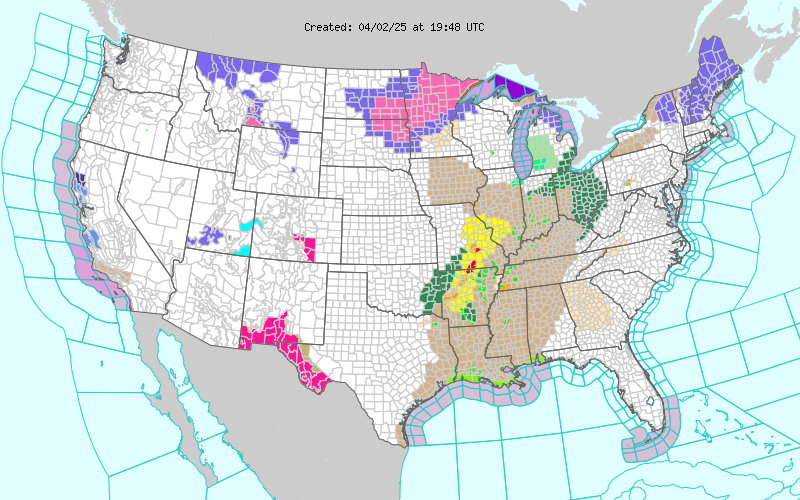
The image is a live image for the National Weather Service server. It gets updated on Real time.
Current Conditions: A Snapshot Across the West
The Western Zone is currently experiencing a tale of two distinct weather patterns. The southwestern states, including Arizona and much of Southern California, are basking in abundant sunshine and mild to warm temperatures. Meanwhile, the Pacific Northwest is living up to its reputation with persistent rain and cooler, breezy conditions.
- Southwest Sunshine: Cities like Phoenix and Mesa, Arizona, are starting their days with crisp, clear skies and temperatures in the high 40s, quickly warming into the high 60s by afternoon. Tucson mirrors this pattern, with morning lows around 42°F climbing to a pleasant 65°F. Las Vegas, Nevada, also enjoys clear conditions, moving from 47°F in the morning to 64°F in the afternoon.
- California's Diverse Climate: Southern California is notably warm, with Los Angeles seeing a remarkable 82°F by afternoon after a 58°F start. San Diego is similarly mild, ranging from 55°F to 69°F. Moving north, San Francisco and San Jose will experience clear to sunny skies, with temperatures rising from the 40s to the high 50s and low 60s. Central Valley cities like Sacramento and Fresno will contend with morning haze or cloudiness and cooler daytime highs in the mid-40s, with light winds.
- Intermountain West Chill & Change: Reno, Nevada, starts cool at 37°F under partly cloudy skies, warming to a sunny 61°F. Salt Lake City, Utah, will see mostly sunny conditions with a morning low of 38°F, reaching 52°F, but with a slight chance of light rain developing by evening, signaling a potential shift.
- Pacific Northwest Rain: The story is quite different further north. Seattle, Washington, expects a chance of light rain in the morning at 48°F, transitioning to light rain by evening at 49°F. Portland, Oregon, and Eugene, Oregon, are firmly under a rain system, with temperatures in the low to mid-50s and noticeable winds, particularly in Eugene where gusts could reach 10 mph.
Detailed Forecast: Day and Night Dynamics
Understanding the diurnal temperature swings and localized phenomena is crucial for planning your week in the Western US. The vast geographical expanse means that a "Western forecast" is truly a collection of microclimates, each with its own character.
For the desert Southwest, including Phoenix, Mesa, and Tucson, expect significant temperature differences between dawn and dusk. Mornings are ideal for outdoor activities before the sun fully exerts its warmth. The clear skies that contribute to warm days also allow for efficient radiative cooling at night, leading to those crisp, cool starts. Wind conditions will remain remarkably calm, making for very pleasant, stable weather.
California's coastal and valley areas will see varying degrees of marine influence. San Diego and Los Angeles will benefit from clear skies and gentle breezes, pushing temperatures well above average for early December. This extended warmth could feel more like late autumn than early winter. However, inland valleys such as Sacramento and Fresno will experience cooler, more stagnant air, leading to morning haze and patchy fog. These conditions can significantly impact air quality and visibility during commuting hours. The transition from foggy mornings to partly sunny afternoons will be gradual, and temperatures will struggle to climb much higher than the mid-40s.
The Intermountain West, exemplified by Reno and Salt Lake City, will experience classic high-desert winter conditions. Cold, clear mornings give way to sunny, milder afternoons. The slight chance of light rain in Salt Lake City by evening is noteworthy, as it could be a precursor to a more significant weather pattern shift later in the week or could simply be isolated, light precipitation. Travelers through these areas should be mindful of potential overnight freezing on any wet surfaces if precipitation does occur.
In the Pacific Northwest, the prevailing pattern of mild, wet, and breezy weather will continue. Portland, Seattle, and Eugene are squarely in the path of a series of frontal systems. Expect consistent rain, with varying intensity. Temperatures will remain above freezing, generally in the low to mid-50s, which is relatively mild for December. Wind speeds will be moderate, particularly along the coast and in the Willamette Valley, potentially reaching 10 mph in places like Eugene and Portland, which could make outdoor activities less comfortable and contribute to localized power outages if combined with saturated ground and weakened trees.
Travel Advisories and What to Expect
Travel across the Western US this week requires awareness of regional weather differences. While no severe weather alerts are currently in effect, localized conditions warrant attention.
- Road Conditions: In the California Central Valley (Sacramento, Fresno, San Jose), morning haze and patchy fog can reduce visibility significantly. Drivers should exercise extreme caution, use low-beam headlights, and allow extra travel time. Further north in the Pacific Northwest, persistent rain means wet roads and reduced traction. Hydroplaning is a risk, especially on highways. Mountain passes, while not currently showing snow, could see slick conditions if precipitation shifts to higher elevations or if temperatures drop unexpectedly overnight.
- Air Travel: While major disruptions are not anticipated, rain in the Pacific Northwest could lead to minor delays for flights into and out of Seattle, Portland, and Eugene due to reduced visibility or increased de-icing needs. Fog in California's valleys can also cause localized airport delays.
- Outdoor Activities: For those planning outdoor adventures in the Southwest, conditions are nearly perfect for hiking, biking, and exploring. Remember to stay hydrated even in cooler temperatures. In the Pacific Northwest, waterproof gear is essential for any outdoor plans.
Agricultural Impact: Weather's Role in Western Crops
The diverse weather patterns across the West have distinct implications for the region's vital agricultural sector.
- Southwest & Southern California: The warm, sunny conditions are generally favorable for citrus crops, winter vegetables, and date palms in Arizona and Southern California. The lack of freezing temperatures helps protect tender crops. However, prolonged periods of warmth without significant rainfall can exacerbate drought concerns in the long term, impacting water availability for irrigation. Farmers will be closely monitoring soil moisture levels.
- California's Central Valley: The morning haze and cooler temperatures in areas like Sacramento and Fresno can slow the growth of some winter crops. While not severe, reduced sunlight penetration due to fog can impact photosynthesis. Orchard crops, such as almonds and pistachios, are typically dormant this time of year, so these conditions have less immediate impact, but chilling hours (necessary for bud development) are still being accumulated.
- Intermountain West: For states like Utah and parts of Nevada, the cool, clear conditions are typical for winter dormancy. Winter wheat, if planted, is hardy and can withstand these temperatures. Ranchers will be ensuring livestock have adequate shelter and water. The slight chance of rain in Salt Lake City is a minor event, but any moisture is generally welcomed in this arid region.
- Pacific Northwest: The consistent rain in Oregon and Washington is characteristic of their winter growing season. This moisture is crucial for evergreen forests, berry crops, and winter pastures. However, excessive rainfall combined with saturated soils can lead to localized flooding in low-lying areas and increase the risk of fungal diseases in some crops. Farmers will be managing drainage and monitoring plant health closely.
Historical Context: Western Weather Patterns
December in the Western US is a month of significant climatic contrasts, and the current forecast largely aligns with historical patterns, albeit with some notable deviations.
Historically, December marks the beginning of the wet season for much of California and the Pacific Northwest, driven by the southward shift of the jet stream and the arrival of "atmospheric rivers." The consistent rain in the PNW is a classic example of this. However, Southern California's exceptionally warm temperatures, reaching into the 80s in Los Angeles, are significantly above average for early December, hinting at a potentially weaker or more northerly storm track for the southern half of the state. This could be influenced by larger climate phenomena, though further data would be needed to confirm.
The dry, clear, and cool-to-mild conditions in the desert Southwest are typical for this time of year, offering a respite from the intense summer heat. The Intermountain West also often experiences a mix of clear, cold days and occasional snow events, making Salt Lake City's slight chance of rain a minor but relevant detail in its winter transition.
Understanding these historical trends helps put the current forecast into perspective, highlighting both typical winter conditions and areas where the weather is behaving a bit differently than usual.
Preparedness Tips for the Week Ahead
Given the varied conditions across the Western Zone, preparedness is key. Here are some essential tips:
- For the Rainy Northwest:
- Rain Gear: Always carry a waterproof jacket, umbrella, and waterproof footwear.
- Vehicle Maintenance: Ensure your windshield wipers are in good condition and your tires have adequate tread. Drive defensively, increasing following distance on wet roads.
- Home Safety: Clear gutters and downspouts to prevent water buildup around your foundation. Be aware of potential localized flooding in low-lying areas.
- For Foggy California Valleys:
- Driving Safety: Reduce speed, use low-beam headlights (fog lights if equipped), and maintain a safe distance from other vehicles. Avoid using high beams as they reflect off the fog.
- Commute Planning: Allow extra time for travel, especially during morning hours.
- For the Clear & Sunny Southwest/Intermountain West:
- Layered Clothing: While afternoons are warm, mornings are cool. Dress in layers that can be easily added or removed.
- Sun Protection: Even in winter, the sun's intensity can be strong, especially at higher elevations. Use sunscreen and wear sunglasses.
- Hydration: Continue to drink plenty of water, even if temperatures are mild.
- General Preparedness:
- Emergency Kit: Keep a basic emergency kit in your home and vehicle, including water, non-perishable food, a first-aid kit, and a flashlight.
- Stay Informed: Monitor local weather updates from trusted sources, especially if you plan to travel.
Looking Ahead: Beyond Today's Forecast
While the immediate forecast for the Western US shows a clear division between wet and dry, the dynamic nature of winter weather means conditions can change rapidly. Forecasters will be closely watching for any shifts in the jet stream that could bring much-needed precipitation to California's parched regions or signal a break in the persistent rain for the Pacific Northwest. The current pattern, while stable for now, is just one chapter in the unfolding story of the Western winter. Stay tuned for further updates as we navigate the diverse and ever-changing climate of this incredible region.
This post is created using the public data provided by the National Weather Service. Please check the Original source for more information.

Comments
Post a Comment
Please leave a comment.