Western US Weather Update: Mild Winter Days, Foggy Mornings
Western US Weather Update: Mild Winter Days, Foggy Mornings Define December 14, 2025
As the holiday season draws closer, the vast and varied landscape of the Western United States presents a diverse tapestry of weather conditions for December 14, 2025. From the sun-drenched deserts of Arizona to the misty coasts of California and the damp Pacific Northwest, residents and travelers alike will experience a relatively calm day, though with distinct regional nuances. This comprehensive forecast delves into current conditions, offers crucial insights for travel and agriculture, and provides essential preparedness tips to navigate the day safely and efficiently.
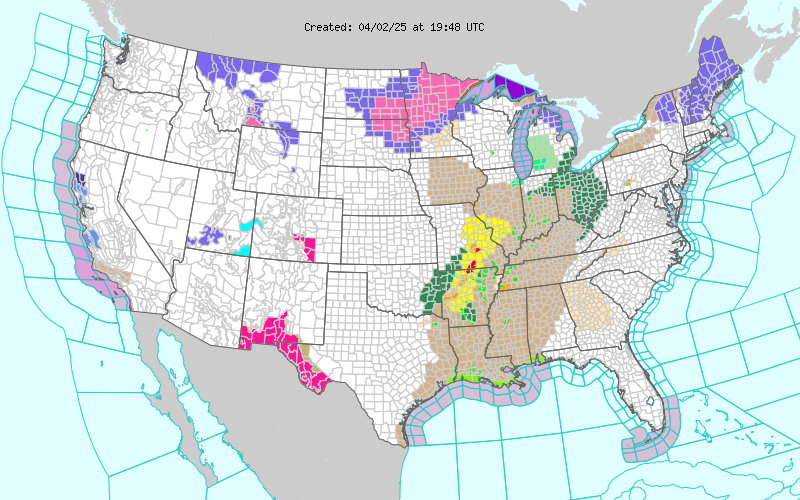
The image is a live image for the National Weather Service server. It gets updated on Real time.
A Glimpse Across the Western Landscape: Current Conditions
Today, the Western Zone is largely characterized by a lack of severe weather alerts, a welcome reprieve as we head deeper into winter. However, a closer look reveals significant variations from one state to another. The Southwest, encompassing Arizona and parts of Nevada, is set to enjoy a predominantly mild and mostly sunny day, providing a pleasant escape from the typical chill of mid-December elsewhere in the nation. Meanwhile, California is grappling with widespread patchy and areas of dense fog, particularly in its central valleys and along some coastal stretches, which will significantly impact visibility during morning and evening hours.
Further north, the Pacific Northwest, specifically Oregon and Washington, will experience classic winter conditions with a chance of light rain, reminding residents of the region's characteristic dampness. The Intermountain West, represented by Utah and parts of Nevada, will see colder temperatures but generally clear or partly cloudy skies, offering crisp winter air and scenic views.
Southwest Deserts: Mild and Bright
- Phoenix, AZ: Expect a mostly sunny morning with temperatures around 58°F, climbing to a pleasant 65°F by evening under mostly cloudy skies. Light winds at 5 mph will make for comfortable conditions.
- Mesa, AZ: Similar to Phoenix, Mesa will start sunny at 59°F, reaching 64°F with mostly cloudy conditions later. Winds remain light at 5 mph.
- Tucson, AZ: A sunny start at 61°F will transition to partly cloudy by evening, with temperatures rising to 62°F. Winds will be slightly brisker, ranging from 9 to 12 mph.
- Las Vegas, NV: Partially sunny conditions are forecast for the morning at 51°F, becoming mostly clear by evening with temperatures around 58°F. Light winds at 2-3 mph will prevail.
California Valleys and Coasts: Foggy Starts and Varied Skies
- San Jose, CA: Widespread areas of fog will dominate the morning at 42°F, persisting as patchy fog into the evening with temperatures around 47°F. Winds will be very light, around 2 mph.
- Sacramento, CA: Similar to San Jose, Sacramento will experience areas of fog in the morning at 40°F, transitioning to patchy fog by afternoon with temperatures around 41°F. Winds remain extremely light at 1-2 mph.
- Fresno, CA: Patchy fog is the primary weather story here, with morning temperatures at 41°F and evening temperatures around 42°F. Winds will be calm at 0 mph.
- Los Angeles, CA: Patchy fog will affect morning commuters at 53°F, giving way to sunny skies by late afternoon with temperatures reaching 62°F. Winds will be calm or very light (0-5 mph).
- San Diego, CA: Patchy fog is expected in the morning at 54°F, with mostly cloudy skies by evening and temperatures around 60°F. Winds will be light at 5 mph.
- San Francisco, CA: A mostly cloudy morning at 45°F will give way to mostly clear skies by evening, with temperatures reaching 48°F. Winds will be light at 5 mph.
Pacific Northwest: Chance of Light Rain
- Seattle, WA: A chance of light rain is forecast for both morning (49°F) and evening (53°F). Winds will be moderate at 7-9 mph.
- Portland, OR: Similar to Seattle, Portland has a chance of light rain in the morning (46°F) and a slight chance by evening (51°F). Winds will be light at 3 mph.
- Eugene, OR: Patchy fog will start the day at 42°F, giving way to mostly cloudy skies by evening with temperatures around 49°F. Winds will be light at 2-3 mph.
Intermountain West: Cold and Clear
- Salt Lake City, UT: Mostly sunny conditions will prevail in the morning at 35°F, becoming partly cloudy by evening with temperatures around 38°F. Winds will be light at 2-3 mph.
- Reno, NV: A sunny morning at 33°F will lead to a mostly clear evening with a significant temperature jump to 52°F. Winds will be calm at 0 mph.
Unpacking the Forecast: Detailed Outlook for December 14, 2025
Today's forecast across the Western Zone paints a picture of a relatively quiet weather day, devoid of any significant weather alerts, which is always good news for residents and local authorities. However, "quiet" doesn't mean uneventful, especially for those navigating the region's diverse microclimates. The dominant features will be the persistent fog in California's low-lying areas and the gentle, moisture-laden air impacting the Pacific Northwest.
For the desert dwellers of Arizona and southern Nevada, the day promises to be exceptionally pleasant for mid-December. Phoenix, Mesa, Tucson, and Las Vegas will all experience comfortable temperatures ranging from the high 50s to mid-60s Fahrenheit. This warmth is a hallmark of winter in the Southwest, offering a stark contrast to much of the rest of the country. These conditions are ideal for outdoor activities, from hiking to enjoying local festivities, without the need for heavy winter gear. The light winds will only add to the comfort, ensuring that the air feels calm and still.
Moving west, California's Central Valley and coastal basins will be under the influence of a common winter phenomenon: dense fog. Cities like San Jose, Sacramento, Fresno, Los Angeles, and San Diego will all awaken to or experience periods of reduced visibility. This fog, often referred to as "Tule Fog" in the Central Valley, forms when cold, dense air gets trapped under a layer of warmer air (an inversion) in the valley, leading to prolonged periods of low visibility. Historically, Tule Fog has been a significant factor in winter travel, causing numerous accidents and delays. Its presence is a strong indicator of stable atmospheric conditions, often associated with high pressure systems that block storm fronts from moving through.
The Pacific Northwest, including Seattle, Portland, and Eugene, will experience typical overcast skies with a chance of light rain. These conditions are characteristic of the region's winter, where frontal systems frequently bring moisture from the Pacific Ocean. While the rain is not expected to be heavy, it will contribute to damp conditions and potentially slick surfaces. Temperatures will be in the upper 40s to low 50s Fahrenheit, requiring appropriate rain gear and warm layers.
Finally, the Intermountain West, specifically Salt Lake City and Reno, will see colder, crisper air. Salt Lake City will hover in the mid-30s, while Reno will start chilly in the low 30s but warm up significantly to the low 50s by evening. Both areas will benefit from mostly sunny to partly cloudy skies, offering clear views and dry conditions, a welcome change from the fog and rain found elsewhere in the West. The calm winds in these regions will prevent any significant wind chill, making the cold feel more manageable.
Climate Context: A Look at Western Winters
Understanding today's forecast is enriched by placing it within the broader context of Western US winter climatology. The diverse topography of the West, ranging from arid deserts to towering mountain ranges and temperate rainforests, creates a myriad of microclimates, each with its own distinct winter patterns. December, for many parts of the West, marks the true onset of winter, characterized by shorter days, cooler temperatures, and increased precipitation.
In the Southwest, the mild, sunny conditions observed today are quite typical. Winter is often the "peak season" for tourism in places like Phoenix and Tucson, precisely because the weather is so agreeable, offering a respite from the intense summer heat. While occasional cold fronts can bring overnight lows near freezing, extended periods of warmth are not uncommon. Precipitation in these desert regions during winter is crucial but often sporadic, relying on specific storm tracks to bring much-needed moisture.
California's fog, particularly the Tule Fog in the Central Valley, is a notorious winter phenomenon. It forms when cold, dense air gets trapped under a layer of warmer air (an inversion) in the valley, leading to prolonged periods of low visibility. Historically, Tule Fog has been a significant factor in winter travel, causing numerous accidents and delays. Its presence is a strong indicator of stable atmospheric conditions, often associated with high pressure systems that block storm fronts from moving through.
The Pacific Northwest's "chance of light rain" is also par for the course. Winters here are famously wet, with a significant portion of annual precipitation falling between October and March. This consistent moisture feeds the region's lush forests and contributes to vital snowpacks in the Cascade and Olympic Mountains. While today's forecast doesn't indicate heavy downpours, the cumulative effect of these light rain events is essential for the region's water resources.
For the Intermountain West, cold and clear conditions are a classic winter signature. High-pressure systems often settle over the Great Basin, leading to clear skies, significant overnight cooling, and crisp, dry air. While the valleys can experience inversions and trapped pollution, today's forecast for Salt Lake City and Reno suggests a relatively clear atmospheric column. Mountain snowpack in the Wasatch Range and Sierra Nevada is critical for water supply in these regions, and while not directly observed in the valley data, the overall winter pattern influences these higher elevations.
Travel and Commute Considerations
With varied conditions across the Western Zone, travel planning for December 14, 2025, requires careful attention to local forecasts, especially concerning visibility and road surface conditions. The lack of severe weather alerts is a positive, but localized phenomena still pose risks.
- Fog Hazards in California: For those commuting or traveling through areas like San Jose, Sacramento, Fresno, Los Angeles, and San Diego, the primary concern will be reduced visibility due to patchy and areas of dense fog. This condition significantly increases the risk of accidents. Drivers should:
- Slow Down: Reduce speed drastically, as stopping distances increase in fog.
- Use Low Beams: High beams reflect off the fog, making visibility worse.
- Increase Following Distance: Allow much more space between your vehicle and others.
- Be Aware of Surroundings: Listen for traffic you can't see and be prepared for sudden stops.
- Avoid Unnecessary Travel: If possible, delay travel until the fog lifts.
- Pacific Northwest Wet Roads: In Seattle, Portland, and Eugene, the chance of light rain means roads could be slick. Drivers should exercise caution, reduce speed, and ensure their tires are in good condition. Pedestrians and cyclists should also be mindful of wet surfaces.
- Intermountain West Cold: While skies are clear in Salt Lake City and Reno, morning temperatures are cold. Black ice can form on shaded roads, bridges, and overpasses, even when the air temperature is above freezing. Always be vigilant for slick spots.
- General Winter Travel Tips: Regardless of your destination in the West, it's always wise to:
- Check Forecasts Regularly: Conditions can change.
- Ensure Your Vehicle is Winter-Ready: Check tires, fluid levels, wipers, and battery.
- Pack an Emergency Kit: Include blankets, water, snacks, a first-aid kit, and a fully charged phone.
- Allow Extra Time: Even minor delays can accumulate.
Air travel could also see minor disruptions, particularly at airports in foggy California regions, where low visibility can lead to flight delays or diversions. Always check with your airline for the latest flight status.
Agricultural Impact: A Vital Connection
The weather patterns observed today, December 14, 2025, hold significant implications for the diverse agricultural sectors across the Western United States. Agriculture is a cornerstone of the Western economy, and even seemingly mild conditions can have profound effects on crop health, water management, and livestock.
In California's Central Valley, the persistent patchy fog, while a travel nuisance, can be a mixed blessing for agriculture. For some crops, like citrus, fog can help protect against frost by trapping warmer air near the ground. However, prolonged periods of dense fog can also limit sunlight, which is crucial for photosynthesis, potentially affecting the maturation of winter vegetables and other crops. Furthermore, the high humidity associated with fog can increase the risk of fungal diseases if not properly managed. Growers in areas like Fresno and Sacramento will be closely monitoring their fields for these conditions.
The mild, sunny conditions in Arizona and southern Nevada are generally favorable for winter agriculture. These regions are major producers of winter vegetables such as lettuce, broccoli, and spinach, which thrive in the moderate temperatures. The consistent sunshine ensures healthy growth, and the light winds minimize stress on young plants. However, even in mild conditions, diligent irrigation management is always essential in these arid environments to prevent water stress.
For the Pacific Northwest, the chance of light rain is a typical and often welcome part of the winter season. This moisture contributes to soil saturation, which is vital for perennial crops and prepares fields for spring planting. It also helps replenish streamflows and contributes to the overall water budget of the region. However, excessive or prolonged wetness can sometimes lead to waterlogging in certain fields, impacting root health, and can delay field access for necessary winter maintenance tasks.
The cold, clear conditions in the Intermountain West, particularly around Salt Lake City and Reno, are important for the dormancy of fruit trees and other perennial crops. A sufficient period of cold temperatures, known as "chill hours," is essential for these plants to produce fruit in the spring. The dry air also reduces the risk of certain plant diseases that thrive in humid conditions. However, growers in these areas must remain vigilant for very hard freezes, which can damage unprotected crops or irrigation systems.
Overall, while today's forecast doesn't present immediate widespread threats to agriculture, it underscores the constant interplay between weather and farming practices in the West. Farmers are continuously adapting to these nuanced conditions, employing strategies to mitigate risks and capitalize on favorable weather windows.
Health and Safety: Staying Prepared
Even without severe weather alerts, the diverse conditions across the Western Zone on December 14, 2025, warrant attention to personal health and safety. Preparedness is key to navigating the day comfortably and securely.
- Driving in Fog: As highlighted, fog is a major concern in California. Beyond vehicle safety, the mental strain of driving in low visibility can be exhausting. Take breaks if needed, and consider postponing non-essential travel. Pedestrians and cyclists in foggy areas should wear bright clothing and use lights to enhance their visibility to drivers.
- Layering for Temperature Swings: Regions like Reno, NV, show a significant temperature difference between morning (33°F) and evening (52°F). Even in the mild Southwest, day-night temperature swings can be substantial. Dressing in layers is crucial to adapt to changing conditions throughout the day, preventing both overheating and chilling.
- Hydration in Dry Climates: While temperatures are mild, the arid nature of the Southwest (Phoenix, Mesa, Tucson, Las Vegas) means humidity levels can be low. Staying adequately hydrated is important, even in winter, especially if you're engaging in outdoor activities.
- Protecting from Cold: For colder areas like Salt Lake City and Reno, ensure you're dressed warmly, especially if spending extended time outdoors. Protect exposed skin to prevent frostnip or frostbite, and be mindful of heating safety indoors. If using fireplaces or space heaters, ensure proper ventilation and functioning carbon monoxide detectors.
- Wet Weather Precautions: In the Pacific Northwest, the light rain means surfaces can be slippery. Wear appropriate footwear with good traction to prevent slips and falls. If working outdoors, waterproof gear is advisable.
- Home Preparedness: With winter in full swing, it's a good time to check home heating systems, ensure smoke and carbon monoxide detectors have fresh batteries, and have an emergency kit ready for any unexpected power outages, though none are anticipated today.
By taking these simple precautions, residents and visitors can enjoy the varied beauty of the Western US while staying safe and healthy.
Looking Ahead: Beyond Today's Forecast
While our focus today is on December 14, 2025, the dynamic nature of Western weather encourages us to consider the broader patterns that shape the region's winter. The Western Zone is a battleground for various atmospheric influences, from Pacific storm tracks to high-pressure ridges, each playing a role in determining long-term trends.
The current conditions, characterized by mildness in the south and persistent fog in California, suggest a relatively stable atmospheric pattern, possibly influenced by a high-pressure system dominating the region. Such patterns can often lead to extended periods of similar weather, meaning the fog in California might linger for several days, and the mild, dry conditions in the Southwest could continue. However, these stable patterns are always subject to disruption by incoming Pacific fronts, which are the primary drivers of winter precipitation across the entire West.
Forecasting beyond a few days in the Western US involves complex interactions between ocean temperatures (like El Niño or La Niña cycles), jet stream positions, and regional topography. A strong El Niño, for instance, often shifts the storm track southward, potentially bringing more rain to Southern California and the Southwest, and possibly less snow to the Pacific Northwest. Conversely, a La Niña typically favors a more northerly storm track, benefiting the PNW with increased precipitation and potentially leaving the southern half of the West drier.
Crucially, the long-term outlook for winter precipitation is directly tied to the vital snowpack in the Sierra Nevada, Cascade, and Rocky Mountains. These mountain ranges act as natural reservoirs, storing winter snowmelt that replenishes rivers and reservoirs for agricultural, municipal, and ecological needs throughout the dry spring and summer months. Even a day of light rain in the valleys or clear skies in the deserts contributes to the overall atmospheric conditions that will eventually dictate the health of this critical snowpack.
As we move through December, the Western Zone will undoubtedly experience shifts. Residents should remain vigilant, regularly checking updated forecasts from reliable sources. Understanding these broader climatic forces helps us appreciate the intricate dance of weather systems that define the unique and often breathtaking winters of the American West.
Stay safe, stay informed, and enjoy the diverse winter weather the Western US has to offer.
This post is created using the public data provided by the National Weather Service. Please check the Original source for more information.

Comments
Post a Comment
Please leave a comment.