Western Weather Outlook: Mild Nights, Sunny Days Ahead for the West
Western Weather Outlook: Mild Nights, Sunny Days Ahead for the West
As we move deeper into the winter season, the vast and varied landscapes of the Western United States are currently experiencing a period of relatively calm and settled weather. From the sun-drenched deserts of Arizona to the misty coasts of the Pacific Northwest and the crisp mountain air of the Intermountain West, the overarching theme for tonight and tomorrow morning is one of mild conditions, clear to partly cloudy skies, and localized instances of patchy fog. This pattern offers a welcome respite from the more tumultuous weather events that can often characterize this time of year, providing an excellent opportunity for residents and travelers alike to enjoy the region's natural beauty, albeit with a few considerations.
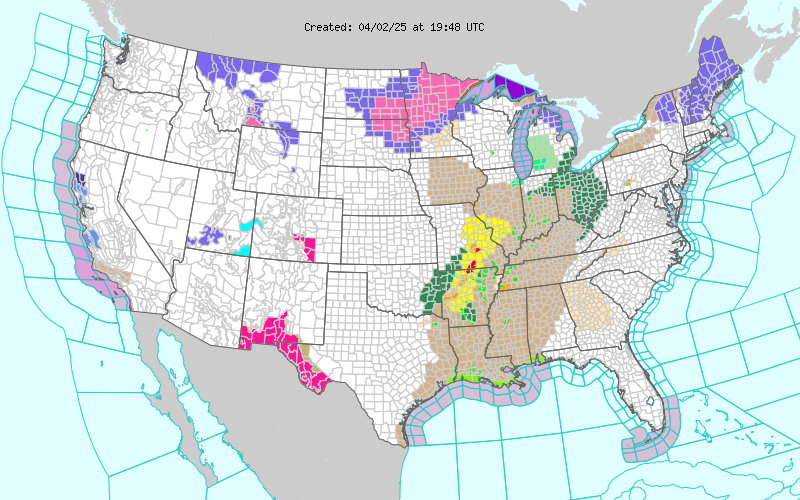
The image is a live image for the National Weather Service server. It gets updated on Real time.
Current Conditions Across the Western States
Across the Western Zone, a broad ridge of high pressure appears to be influencing much of the region, leading to stable atmospheric conditions. This means that for many areas, significant weather hazards are absent, and a generally pleasant forecast prevails. Temperatures are hovering in a comfortable range for December, particularly in the lower elevations and desert Southwest, while cooler, but still manageable, conditions are noted further north and at higher altitudes. Winds are notably light, contributing to the overall tranquility.
- Southwest Warmth: Cities like Phoenix, Mesa, Tucson, Los Angeles, and San Diego are enjoying mild overnight lows, generally in the high 50s to low 60s Fahrenheit, transitioning to pleasant daytime conditions. The primary weather phenomenon here is the development of patchy fog, particularly near coastal areas and in low-lying valleys, which tends to burn off as the morning progresses.
- California Valleys & Coasts: San Francisco, San Jose, Sacramento, and Fresno will experience cooler temperatures, with lows dipping into the 40s. Patchy fog is a significant factor in these areas, especially in the Central Valley (Fresno, Sacramento), potentially reducing visibility for morning commutes. Coastal cities like San Francisco will see slightly breezier conditions compared to the interior.
- Pacific Northwest Mildness: Seattle, Portland, and Eugene are also experiencing relatively mild conditions for winter, with temperatures in the high 40s to low 50s overnight. Mostly cloudy to partly sunny skies are expected, with some areas, particularly Portland, dealing with patchy morning fog.
- Mountain West Chill: Salt Lake City, Las Vegas, and Reno will see the coolest temperatures, with lows ranging from the low 30s in Reno to the low 50s in Las Vegas. These areas are predominantly clear or mostly clear, promising sunny days ahead, ideal for those seeking crisp, dry winter air.
Detailed Forecast: Tonight & Tomorrow Morning
Let's delve into the specifics for some of the Western Zone's major metropolitan areas, providing a clearer picture of what to expect from late tonight into tomorrow morning:
- Phoenix, AZ: Expect a partly cloudy night with temperatures around 63°F, dropping to a sunny 58°F by tomorrow morning. Winds will remain calm at 0 mph.
- Tucson, AZ: Tonight, partly cloudy skies and 60°F. Tomorrow morning, mostly sunny with temperatures around 57°F and light winds at 3 mph.
- Mesa, AZ: Similar to Phoenix, partly cloudy tonight at 60°F, becoming sunny tomorrow morning with 57°F and calm winds.
- Los Angeles, CA: Partly cloudy tonight at 62°F. Tomorrow morning, expect patchy fog and a temperature of 57°F with no wind.
- San Diego, CA: Patchy fog is the dominant feature tonight at 60°F, persisting into tomorrow morning at 57°F with calm conditions.
- Las Vegas, NV: A clear night tonight with temperatures around 59°F, leading to a sunny morning at 52°F with light 2 mph winds.
- San Francisco, CA: Clear skies tonight at 48°F. Tomorrow morning brings patchy fog and 45°F with moderate 6 mph winds.
- Seattle, WA: Mostly cloudy tonight at 53°F. Tomorrow morning will be partly sunny with temperatures around 47°F and light 3 mph winds.
- Portland, OR: Patchy fog tonight at 52°F. Tomorrow morning will be mostly cloudy with 47°F and light 2 mph winds.
- Salt Lake City, UT: Mostly clear tonight at 42°F. Tomorrow morning, mostly sunny with 40°F and light 2 mph winds.
- Reno, NV: Mostly clear tonight at 43°F. A sunny morning awaits with a cooler 34°F and calm winds.
- Fresno, CA: Patchy fog tonight at 41°F, continuing into tomorrow morning at 41°F with calm winds.
- Sacramento, CA: Cloudy tonight at 42°F, remaining cloudy tomorrow morning at 42°F with light 1 mph winds.
Understanding Western Weather Patterns
The current weather pattern across the Western United States is a classic example of a high-pressure system dominating the region. High pressure typically brings stable air, clear skies, and light winds, which is precisely what many areas are experiencing. In winter, these systems can lead to temperature inversions, especially in valleys and basins. An inversion occurs when a layer of warm air sits above cooler air, trapping moisture, pollutants, and, in our case, fog, close to the surface. This phenomenon explains the persistent patchy fog reported in areas like California's Central Valley, coastal California, and parts of the Pacific Northwest.
Historically, winter in the West is a season of contrasts. While the current forecast highlights calm conditions, the region is also prone to powerful Pacific storms that bring much-needed precipitation in the form of rain and snow. The current dry spell, while offering pleasant weather, underscores the ongoing need for significant precipitation to replenish snowpacks in the Sierra Nevada and Rocky Mountains, which are crucial sources of water for the entire region. The absence of alerts right now is a good sign for immediate safety, but the long-term climate outlook always keeps water resources in focus for this arid and semi-arid landscape.
Travel and Commute Advisories
Given the forecast, travel across the Western Zone should be relatively straightforward, but specific localized conditions warrant attention. The primary concern for tonight and tomorrow morning will be reduced visibility due to patchy fog, particularly in California's Central Valley (Fresno, Sacramento), along the Southern California coast (San Diego, Los Angeles), and in parts of the Pacific Northwest (Portland). Drivers in these areas should exercise extreme caution, reduce speed, use low-beam headlights, and maintain a safe following distance.
- Morning Commutes: Allow extra time for travel in areas prone to fog. Visibility can drop rapidly, making driving hazardous.
- Air Travel: While not explicitly indicated, persistent fog can occasionally lead to minor delays at regional airports. It's always wise to check with your airline for the latest flight status if traveling through affected areas.
- Mountain Passes: Although the immediate forecast shows clear conditions for higher elevations like those near Salt Lake City and Reno, winter mountain travel always carries inherent risks. Even with clear skies, temperatures are cold, and conditions can change rapidly. Always carry an emergency kit and check road conditions before venturing into mountainous terrain.
- Wind Considerations: With generally light winds, crosswind concerns are minimal for most vehicles. However, drivers of high-profile vehicles should always remain vigilant, especially in open areas or near canyons, where localized gusts can still occur.
Agricultural and Environmental Impact
The mild and generally dry conditions currently dominating the Western US have mixed implications for the region's vital agricultural sector and delicate ecosystems. For many winter crops in California and Arizona, such as citrus, lettuce, and other cool-season vegetables, the absence of severe cold snaps or heavy rains is generally beneficial, allowing for consistent growth and harvest. The light winds also protect delicate young plants from stress.
However, the presence of patchy fog, while providing some moisture, can also present challenges. Prolonged periods of dense fog can limit sunlight, potentially affecting crop development, and in some cases, increase the risk of fungal diseases if humidity remains high. More importantly, the lack of widespread precipitation across the broader region means that drought concerns persist in many areas. California, in particular, relies heavily on winter storms to build its snowpack, which acts as a natural reservoir. While the current calm weather is pleasant, a sustained period without significant rainfall or snowfall could exacerbate water supply challenges for the coming year.
From an environmental perspective, the clear skies and light winds mean good air quality in many areas, though temperature inversions in urban valleys can still trap pollutants, even without severe weather alerts. The absence of strong winds also reduces the immediate risk of wildfire spread, but the underlying dry conditions in many areas mean that vigilance regarding fire safety remains crucial, especially during any outdoor activities.
Health and Safety Tips
Even without severe weather alerts, a responsible approach to personal health and safety is always paramount. The mild but often cool conditions in the West warrant thoughtful preparation:
- Layer Up: Temperatures can fluctuate significantly between day and night, especially in desert and mountain regions. Dressing in layers allows you to adapt comfortably to changing conditions.
- Hydration: While it's not the peak of summer, the dry air, particularly in the interior West, can still lead to dehydration. Continue to drink plenty of water, even if you don't feel overtly thirsty.
- Sun Protection: With clear skies forecasted for many areas, the winter sun can still be quite potent, especially at higher elevations. Don't forget sunscreen, sunglasses, and hats if you'll be spending extended time outdoors.
- Home Heating Safety: As temperatures drop overnight, many will be using heating systems. Ensure your carbon monoxide detectors are functioning correctly and that any fireplaces or wood-burning stoves are properly vented and maintained.
- Vehicle Readiness: Check tire pressure, as cold weather can cause it to drop. Ensure your defroster and wipers are in good working order, especially with the potential for morning fog.
Preparing for the Days Ahead
The current tranquil weather pattern across the Western Zone is expected to persist for the immediate future, offering a continued period of calm for most. While this provides a welcome break from more intense winter weather, it's always wise to remain informed and prepared for potential shifts. Continue to monitor local forecasts, especially if your plans involve travel through areas prone to fog or higher elevations where conditions can change more rapidly.
Enjoy the mild days and crisp nights that this Western winter has to offer. Whether you're navigating the urban sprawl, exploring national parks, or simply enjoying the comfort of your home, staying aware of your local forecast ensures a safe and pleasant experience.
- Stay Informed: Regularly check reliable weather sources for updates specific to your location.
- Plan Ahead: If traveling, factor in potential fog delays or cooler mountain conditions.
- Outdoor Activities: Dress appropriately for the conditions and be mindful of sun exposure.
- Home Comfort: Ensure your heating systems are safe and efficient.
This post is created using the public data provided by the National Weather Service. Please check the Original source for more information.

Comments
Post a Comment
Please leave a comment.